
Last updated November 22, 2026
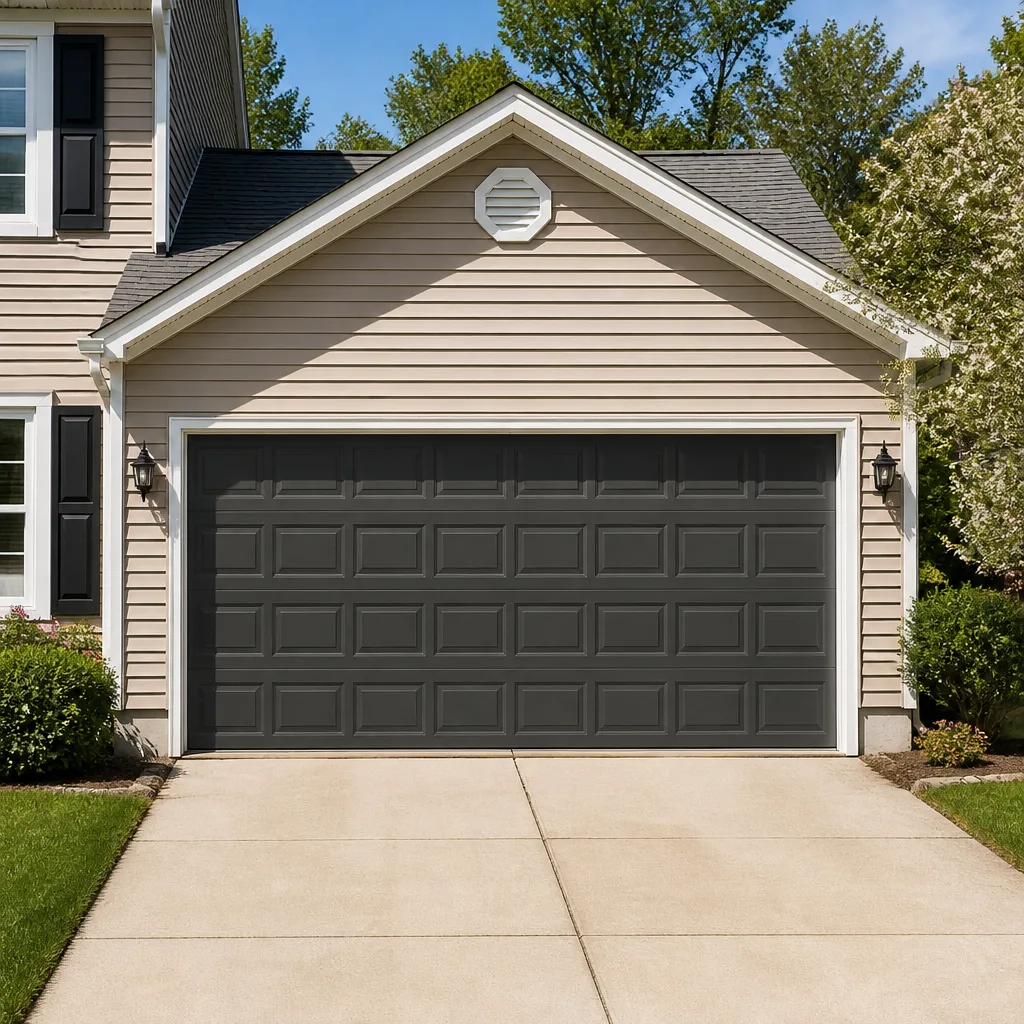 Raised-panel steel
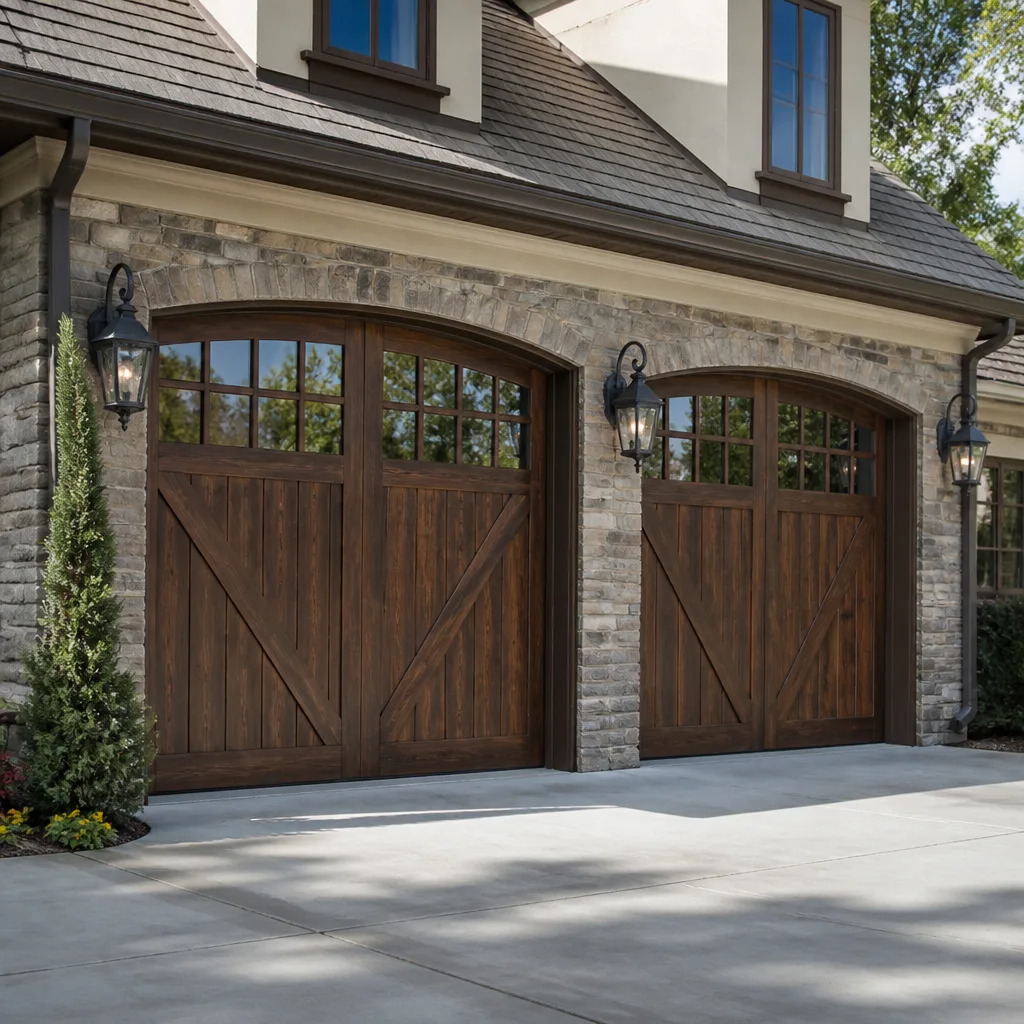 Carriage house
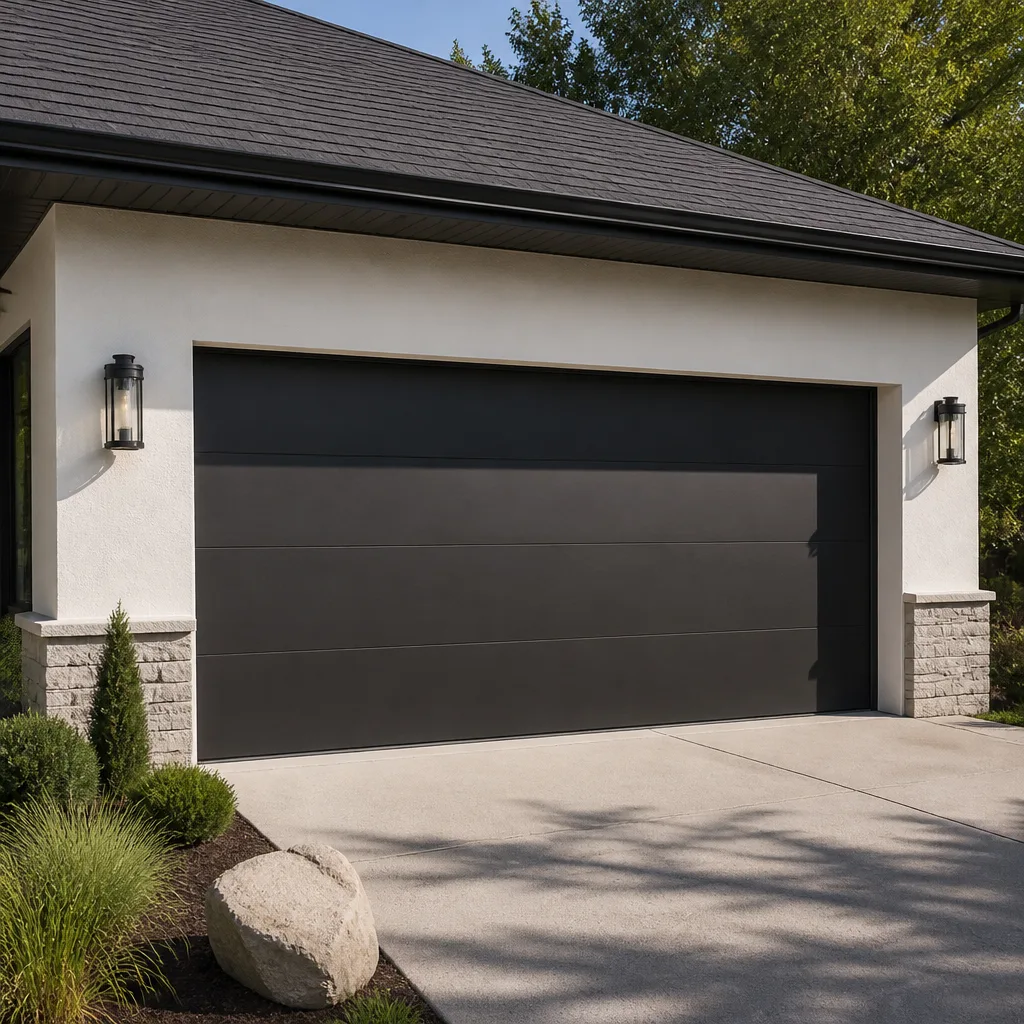 Modern flush
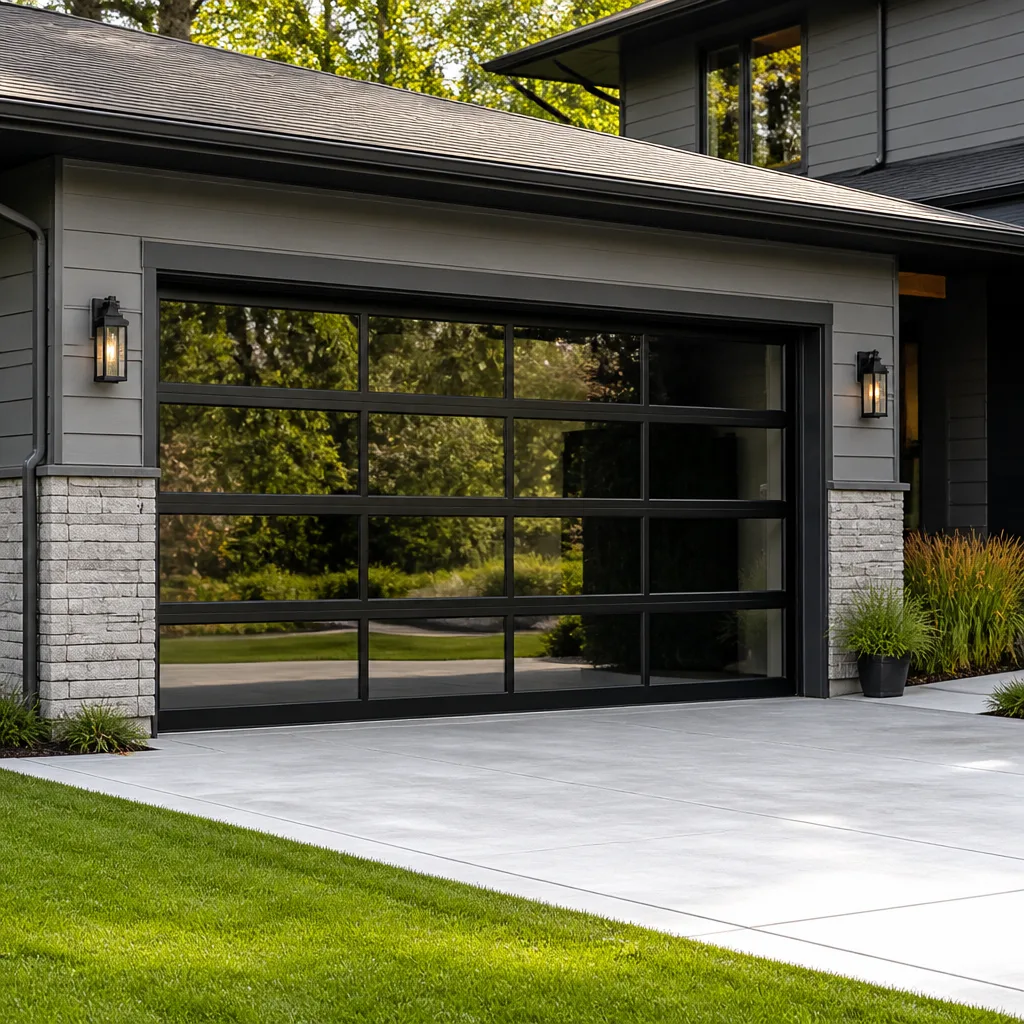 Full-view glass
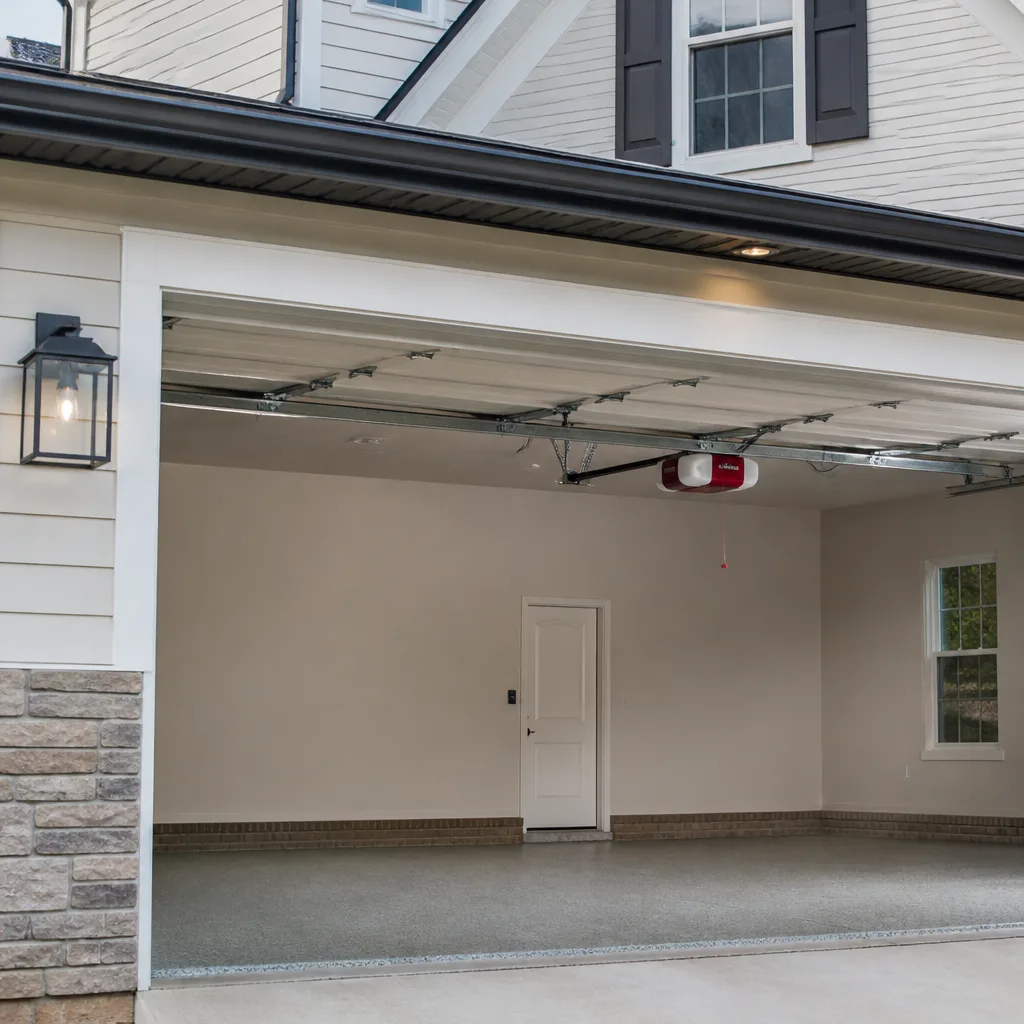 LiftMaster openers
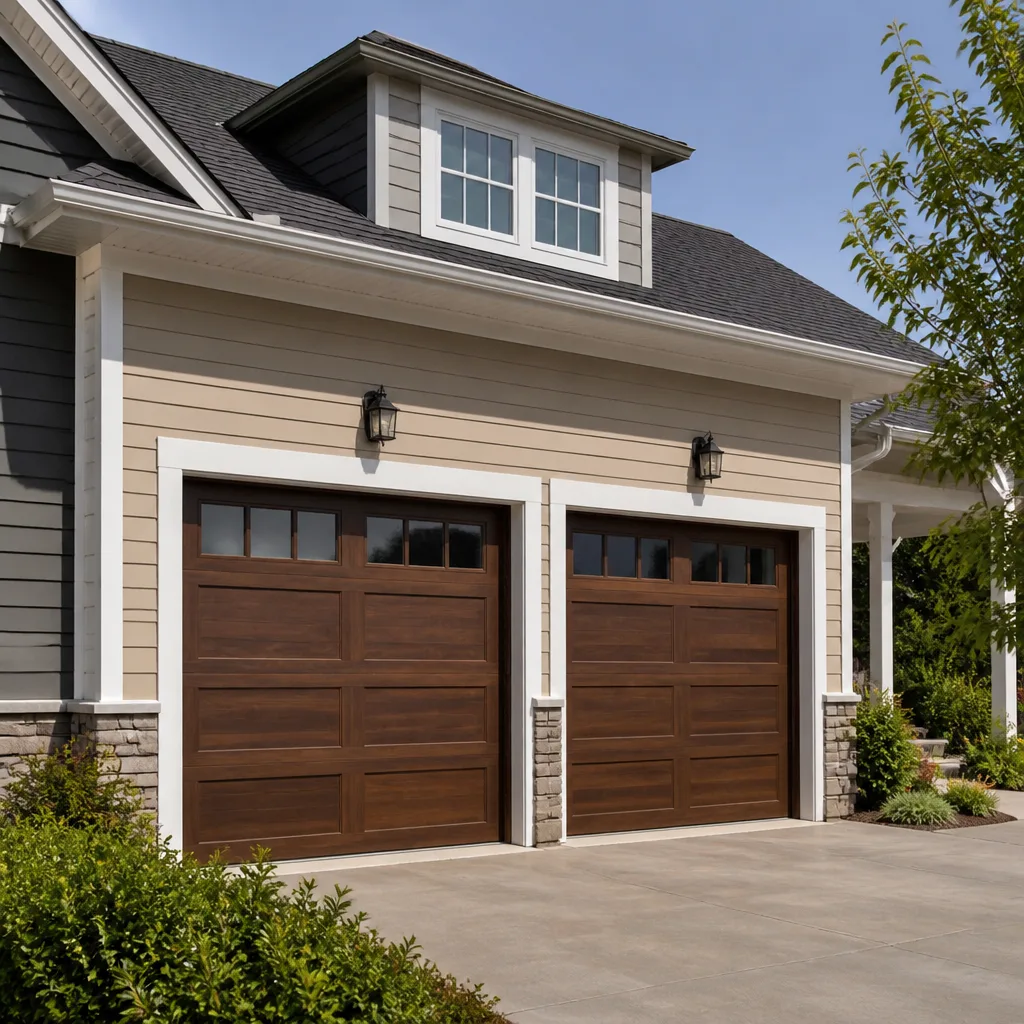 Chamberlain openers
Full 25-point door and opener safety check with every visit - springs, cables, rollers, tracks, and your LiftMaster or Chamberlain opener included
You get a price before we start. It does not change when the pro arrives.
Get your free estimateThe Complete Guide to Garage Doors in Boulder
Most garage door advice you’ll find online was written for a flat, humid suburb at sea level. Boulder isn’t that place. At 5,430 feet, the UV index runs high enough that paint fade and weatherstripping breakdown happen faster than the maintenance schedules printed by national manufacturers expect. Add freeze-thaw cycling that moves the ground and the hardware several times a season, and you get a set of demands that generic buying guides ignore entirely. This guide treats Boulder’s elevation, climate, and housing stock as the main variable, not an afterthought. You’ll learn which materials survive here, which fail early, how HOA approval actually works in neighborhoods like Table Mesa and Mapleton Hill, and what to look for in an opener rated for temperature swings rather than mild weather.
Quick Answer
Garage doors in Boulder need materials and hardware chosen for high-altitude UV exposure and freeze-thaw movement, not the mild-climate defaults most buying guides assume. Steel doors with a factory-applied finish and insulated cores hold up best, openers should be rated for wide operating temperatures, and HOA approval should be confirmed before you order anything in neighborhoods like Table Mesa, Gunbarrel, or Mapleton Hill. Routine lubrication and seal checks matter more here than in lower, milder climates because both wear faster.
Styles & brands we work with
- Raised-panel steel
- Carriage house
- Modern flush
- Full-view glass
- LiftMaster openers
- Chamberlain openers
Table of Contents
- How Boulder’s Elevation and UV Index Affect Garage Doors
- Which Materials Survive Boulder’s Freeze-Thaw Cycles
- HOA Approval Realities in Boulder Neighborhoods
- Brand Availability and Parts Supply in Boulder
- Why Openers Rated for Flat Country Underperform Here
- A Boulder-Specific Maintenance Routine
- Repair or Replace? A Decision Framework
- What Garage Door Work Costs in Boulder
How Boulder’s Elevation and UV Index Affect Garage Doors
Boulder sits at 5,430 feet, and that elevation changes what the sun does to a garage door. Every thousand feet of elevation adds to the intensity of ultraviolet radiation that reaches a surface, which is why the same door that looks fine for a decade in a lowland city can show chalky paint, faded panels, and cracked rubber seals noticeably sooner here. National maintenance schedules tend to assume lower UV loads, so a Boulder homeowner following the manual to the letter is often already behind.
What this means in practice is that the west- and south-facing side of a door takes the most punishment. Paint gets chalky before it peels, and the rubber at the bottom seal goes hard and stops flexing. Once that seal hardens, it no longer sits tight against the threshold, and the door starts letting in cold air, dust, and the occasional small pest. The panels themselves fade at different rates depending on which direction they face, so a garage that catches full afternoon sun can look uneven within a few years.
There are a few practical responses that actually work in Boulder:
- Choose factory-finished steel over a field-painted door, because a baked-on finish resists UV chalk far better than anything applied on site.
- Inspect the bottom seal every spring and replace it when it feels stiff rather than rubbery.
- Wash and wax the door surface annually to slow the chalk and keep the finish from degrading into bare metal.
- Favor lighter colors if the door faces south or west, since they absorb less heat and expand less in direct sun.
Nothing about this is dramatic, but it is the difference between a door that looks sharp at fifteen years and one that looks tired at eight. Understanding the UV load is the first step toward getting the full life out of what you own.
Which Materials Survive Boulder’s Freeze-Thaw Cycles
Freeze-thaw is the second force working on every garage door in Boulder. Water gets into a seam or a crack, freezes overnight, expands, and pushes the material apart a little more each time. Across a winter, that cycle repeats dozens of times, and the ground itself moves with it. The doors that handle this well share certain traits; the ones that fail early share others.
Materials that hold up
- Insulated steel is the workhorse here. The steel skin resists moisture, the insulation core keeps the panels from flexing as much under temperature swings, and a factory finish shrugs off UV better than most alternatives.
- Aluminum with a thermal break works well where weight matters, and the thermal break prevents the metal from conducting cold straight through and condensing moisture inside.
- Composite and fiberglass panels resist rot and moisture entirely, which makes them a reasonable pick for a shaded or north-facing door that never fully dries out.
Materials that struggle
- Unsealed wood is the classic victim of freeze-thaw. It absorbs moisture at the seams, then the grain opens up when it freezes. Wood can work in Boulder, but only with regular sealing, and it rewards far more attention than steel.
- Thin, uninsulated steel flexes with temperature and suffers from condensation on the inside face, which corrodes the panels from within where you can’t see it.
- Anything with a poor bottom seal traps water against the threshold, which accelerates corrosion regardless of the panel material above it.
The safest starting point for most Boulder homes is an insulated steel door with a factory finish and a quality bottom seal. It’s the material that needs the least babysitting through a Front Range winter.
HOA Approval Realities in Boulder Neighborhoods
Boulder is dense with homeowners associations, and the approval process is often the part that surprises people after they’ve already picked a door. In our experience, different neighborhoods flag different things. Table Mesa associations tend to be strict about color continuity and panel style, because the streets were built with a consistent look and boards want to keep it. Gunbarrel HOAs often focus on the door’s appearance from the street and require that the new door match what was originally specified for the home. Mapleton Hill is a different game entirely, because the historic character of the neighborhood means the review is as much about architectural fit as it is about rule compliance.
The practical sequence that saves headaches:
- Get the architectural guidelines before you shop. The document lists approved colors, styles, and sometimes the exact manufacturer the board expects.
- Submit the spec, not a verbal description. Boards want a product sheet, a color chip, and a photo of a comparable door.
- Allow real time for review. Board review cycles vary, and a door ordered before approval is a door you may have to return.
- Ask about the window and hardware details. Small trim differences are what get flagged, not the door itself.
If you’re unsure how your association will read a spec, the honest answer is to ask the board directly before ordering. It’s a short conversation that heads off a much longer dispute.
Brand Availability and Parts Supply in Boulder
Brand matters in Boulder for a reason that has nothing to do with marketing: parts supply. Some manufacturers have deep distribution reach, which means a technician can get the right spring, roller, or panel without a long wait. Others are well-made but harder to source locally, and a job that should take a visit can stretch while a part is ordered from out of state.
The brands we work on most are LiftMaster and Chamberlain for openers, and Raynor and Genie show up regularly too. LiftMaster and Chamberlain share a lot of design language, which helps when a homeowner needs a replacement logic board or a new wall control and wants something that fits the existing rail and hardware. Raynor doors are common on older Boulder homes, and knowing which panel profiles and spring configurations those doors use is the difference between a fast repair and a callback. Genie openers are widely installed and have a solid parts chain, though older models sometimes need a specific replacement part that a generalist wouldn’t know to carry.
When you’re choosing a new door or opener, ask two questions up front:
- Is the part in stock regionally, or is it a special order? This determines whether a repair is same-week or weeks-out.
- Can the technician identify the exact model from the door or opener itself? A brand specialist can read the system and know what fits; a generalist may have to guess and come back.
The right part the first visit is the goal, and that starts with brand-specific knowledge rather than a universal approach.
Why Openers Rated for Flat Country Underperform Here
An opener sold for a mild, flat climate is rated around moderate temperatures and stable humidity. Boulder throws both of those out. The temperature here can swing from a warm afternoon to a freezing night and back within a day, and the opener has to work through all of it. What happens is that the lubricant in the gearbox thickens in the cold, the motor draws more current, and the unit either strains or refuses to move. A flat-country unit that tests fine in a lab can struggle on a cold Boulder morning.
So what should you look for instead?
- An operating-temperature spec that covers real cold. Check the stated range on the manual, not the marketing page.
- A belt or chain design rated for the load. Lighter-duty chains bind more in the cold, while a properly tensioned belt or a heavy-duty chain keeps moving.
- Battery backup so a winter power blip doesn’t leave the door stuck closed.
- Safety sensors that behave in low light and cold. Cheap sensors get finicky when the temperature drops, and a false reversal is the most common winter complaint.
If your current opener predates these specs, a replacement is worth considering before it fails at an inconvenient moment. When an opener misbehaves repeatedly after a cold snap, garage door opener repair is the right call rather than another round of guessing. A technician who knows LiftMaster, Chamberlain, and Genie can tell within a visit whether the unit needs a part or a full replacement.
A Boulder-Specific Maintenance Routine
A maintenance routine built for Boulder looks a little different from a generic one, because the two big enemies here are UV and freeze-thaw. The routine that actually protects a door in this climate is short and repeatable, and doing it on schedule is what separates a fifteen-year door from an eight-year one.
Here is the pattern we recommend, in order:
- Check the bottom seal each spring. If it feels hard or cracked, replace it before the season turns.
- Lubricate the hinges, rollers, and tracks with a garage-door-rated lubricant, not household oil or WD-40, which attract grit. A couple of times a year is enough.
- Test the balance. Disconnect the opener, lift the door halfway, and let go. A balanced door stays put; one that drops or rises needs a technician to look at the springs or the track.
- Watch the paint and finish. If the panels are chalking, a wash and wax buys time. If the finish is down to bare metal, it’s time to plan a repair.
- Clear the tracks of grit and check that the door travels smoothly by hand.
- Test the safety reverse by placing an object in the door’s path and confirming it reverses. If it doesn’t, stop using the door until it’s checked.
None of this involves touching the torsion springs, and that’s deliberate. Spring repair is genuinely hazardous work that belongs to a trained technician. If your door’s springs are the issue, garage door spring repair should be handled by a specialist, and that’s what we do. A routine built around the parts you can safely check keeps the door alive without putting anyone at risk.
Repair or Replace? A Decision Framework
The most common question we get is whether a door is worth fixing or should be replaced. There’s no single number that settles it, but there are a few questions that point clearly one way or the other.
Repair usually wins when:
- The door’s structure is sound and the problem is a single component like a spring, cable, roller, or opener.
- The panel finish is intact and the fault is mechanical rather than cosmetic.
- The door is otherwise well-matched to the opening and you’re not fighting an HOA or aesthetic change.
Replacement makes more sense when:
- Multiple springs or cables have failed around the same time, which usually means the door is at the end of its service life.
- The panels are corroded or delaminating, especially along the bottom where moisture collects.
- The door is uninsulated or otherwise wrong for the space, and the cost of fixing several parts approaches the cost of a better door.
- You’re dealing with an HOA that has approved a spec you’ve wanted to move toward anyway.
When you’re weighing the two, the honest advice is to get a written estimate that separates repair and replacement so you can compare like for like. When the decision goes toward a new door, garage door repair specialists can handle the installation as well, so you’re not coordinating two companies. On replacement and installation work we schedule a free measure and give you a written price rather than promising a same-day visit, because a new door has to be ordered and matched to your opening.
What Garage Door Work Costs in Boulder
Pricing in Boulder reflects the logistics of the area: parts have to reach the Front Range, and labor reflects the specialist work this trade requires. The ranges below are typical estimates for the work described, and they’re meant to help you plan. The written estimate is what sets the final price for any job.
- Spring replacement: a typical single torsion spring replacement runs roughly $180 to $340. A matched pair is usually replaced together, so a pair costs about twice that range.
- Opener repair or replacement: repairs commonly fall in the $150 to $400 range depending on the part; a full opener replacement runs higher and depends on the unit.
- Cable, roller, and hinge work: usually priced per component, with several small repairs adding up rather than one flat fee.
- New door installation: quoted per job after a measure, and the price depends on material, insulation, and size.
Two things hold true on every job. First, the estimate is free. Second, the price is quoted and agreed before any work starts, so there’s no surprise invoice when the technician finishes. When someone quotes you a single number for a matched spring pair, ask whether that covers both springs. It’s the most common source of confusion in this trade. If you want an exact figure for your door, call us and we’ll give you a written estimate.
Common Mistakes to Avoid
- Following a sea-level maintenance schedule. The printed manual assumes a gentler climate, so Boulder homeowners should check the seal and finish more often, especially on south- and west-facing doors.
- Choosing a door for looks alone. An unsealed wood door can look great for a year and then struggle with freeze-thaw. Match the material to the climate, not just the photo.
- Ordering before HOA approval. In Table Mesa and Gunbarrel especially, the board has to sign off on the spec, and an unapproved order can mean a return.
- Assuming a generalist can identify the model. Brand-specific knowledge matters here, and a technician who works on doors all day can read the system faster than someone handling doors on the side.
- Buying an opener rated for flat country. Check the operating-temperature range, not just the brand name, because the winter swing here will test it.
- Touching the torsion springs. These carry real tension, and the risk of serious injury is high. Leave spring work to a trained professional.
- Waiting for multiple failures before replacing. When several parts fail in quick succession, the door is telling you it’s near the end. Plan the replacement instead of chasing repairs.
See the difference
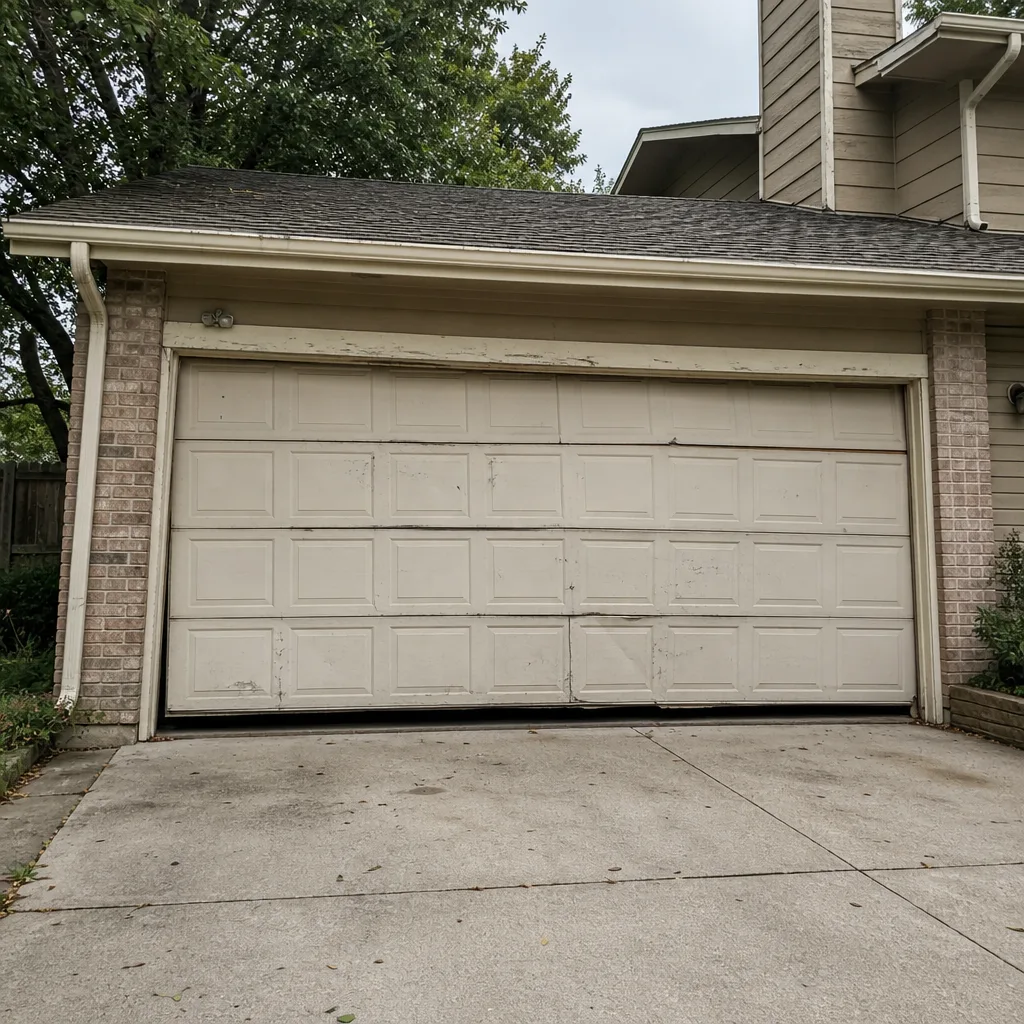 Before
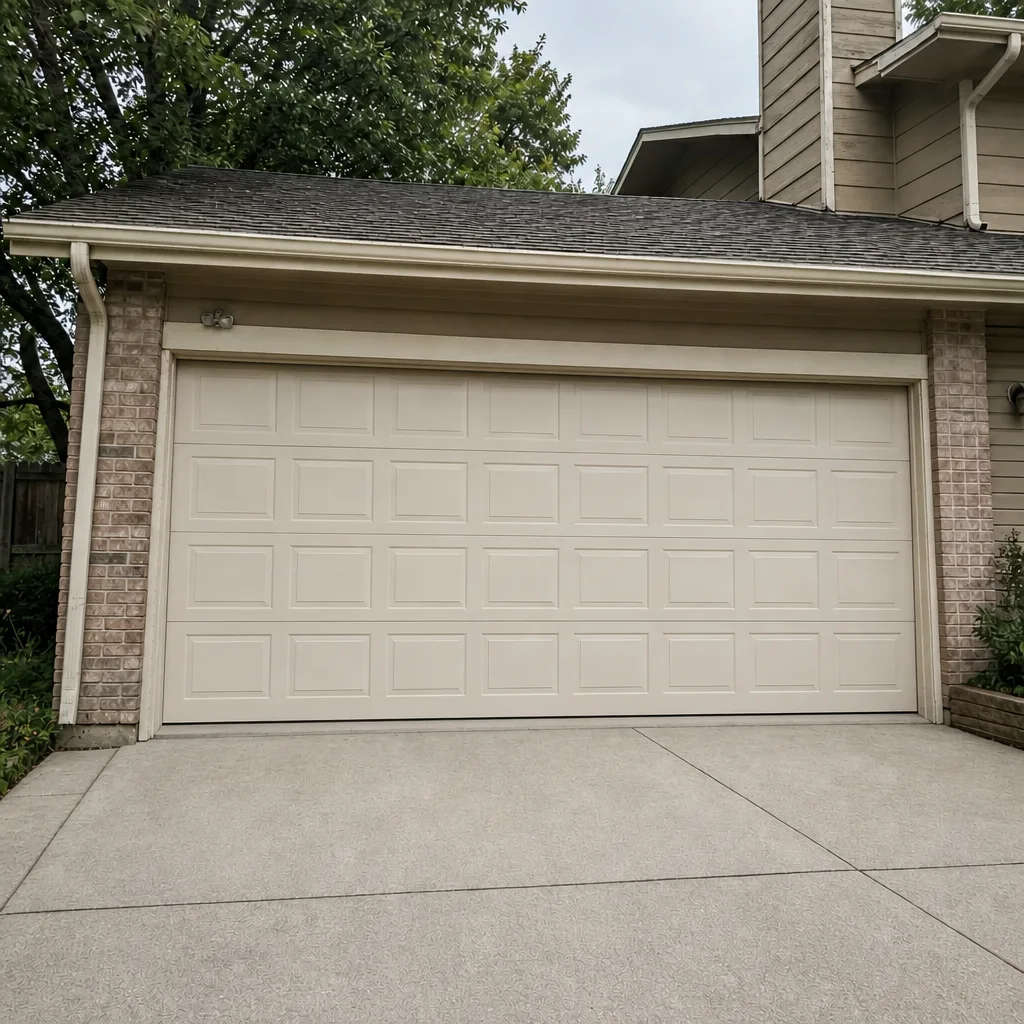 After
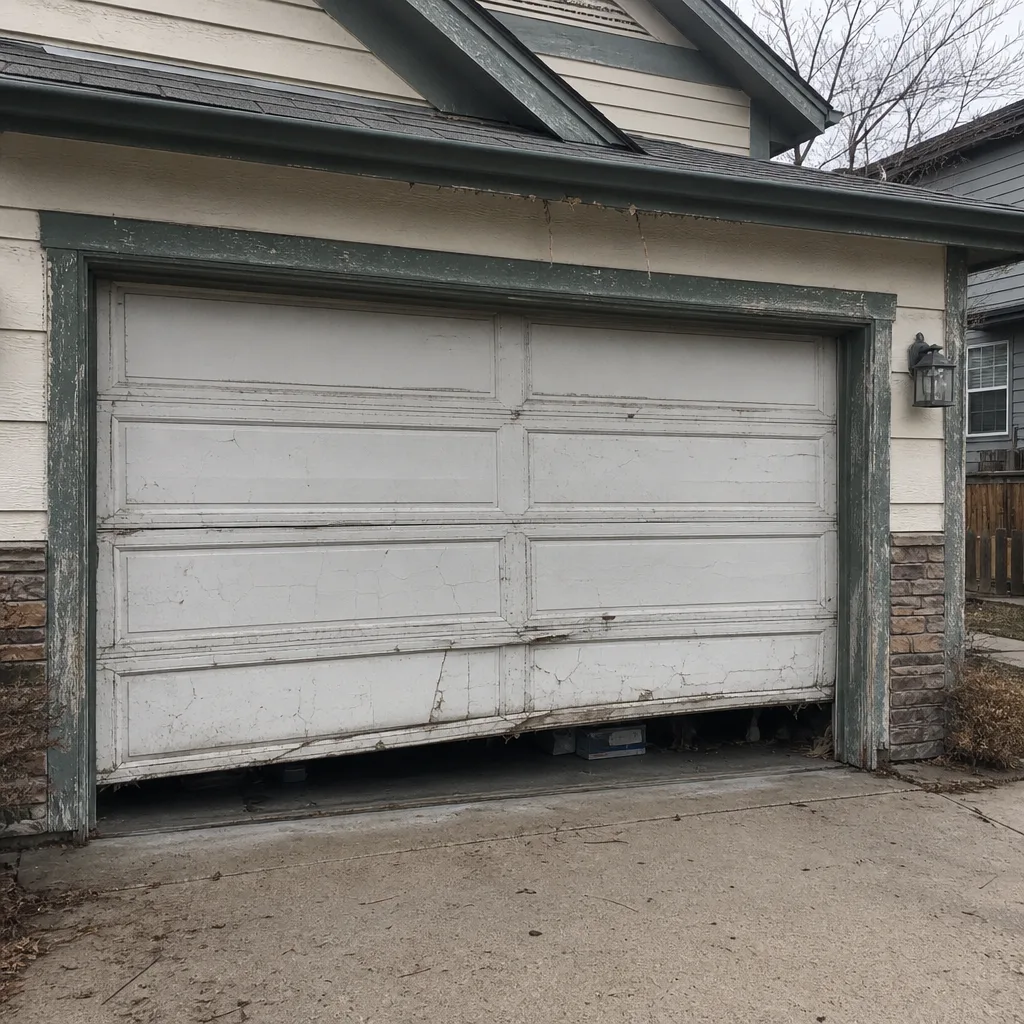 Before
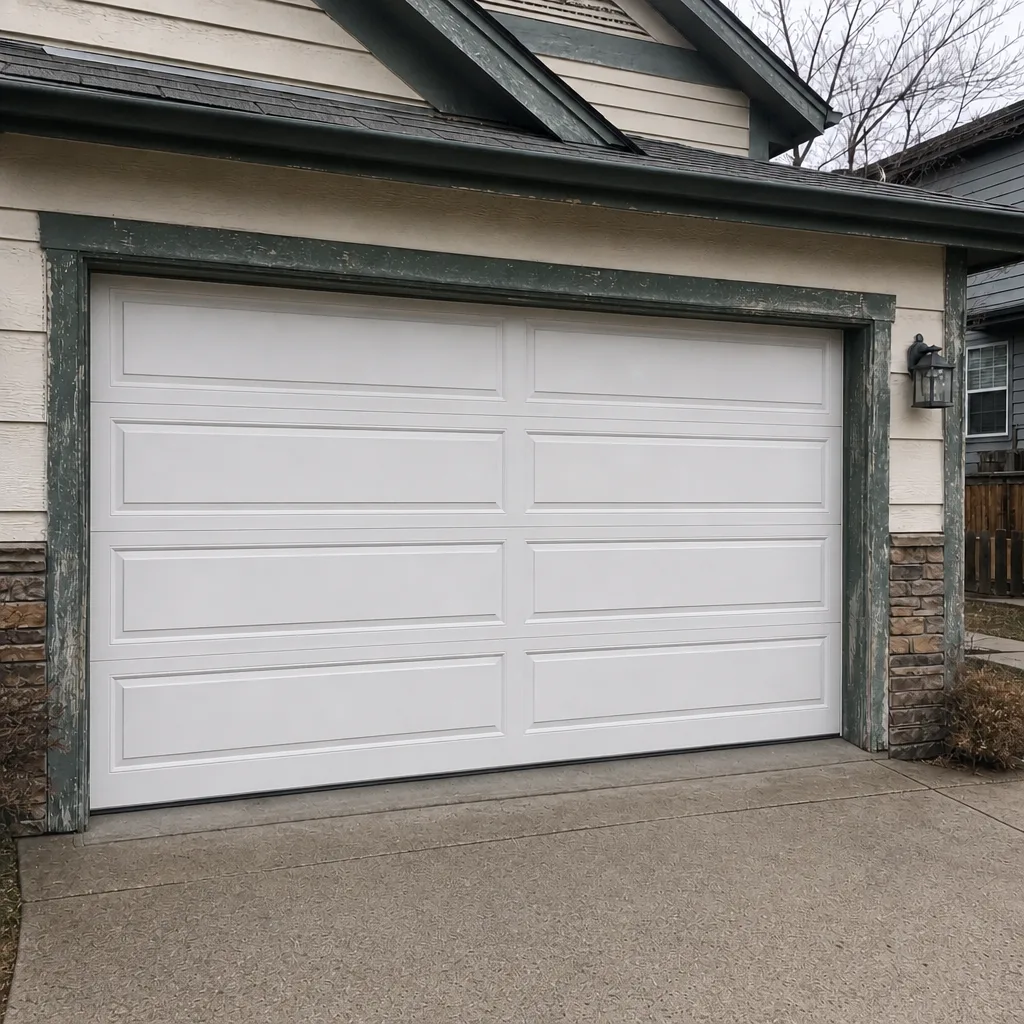 After
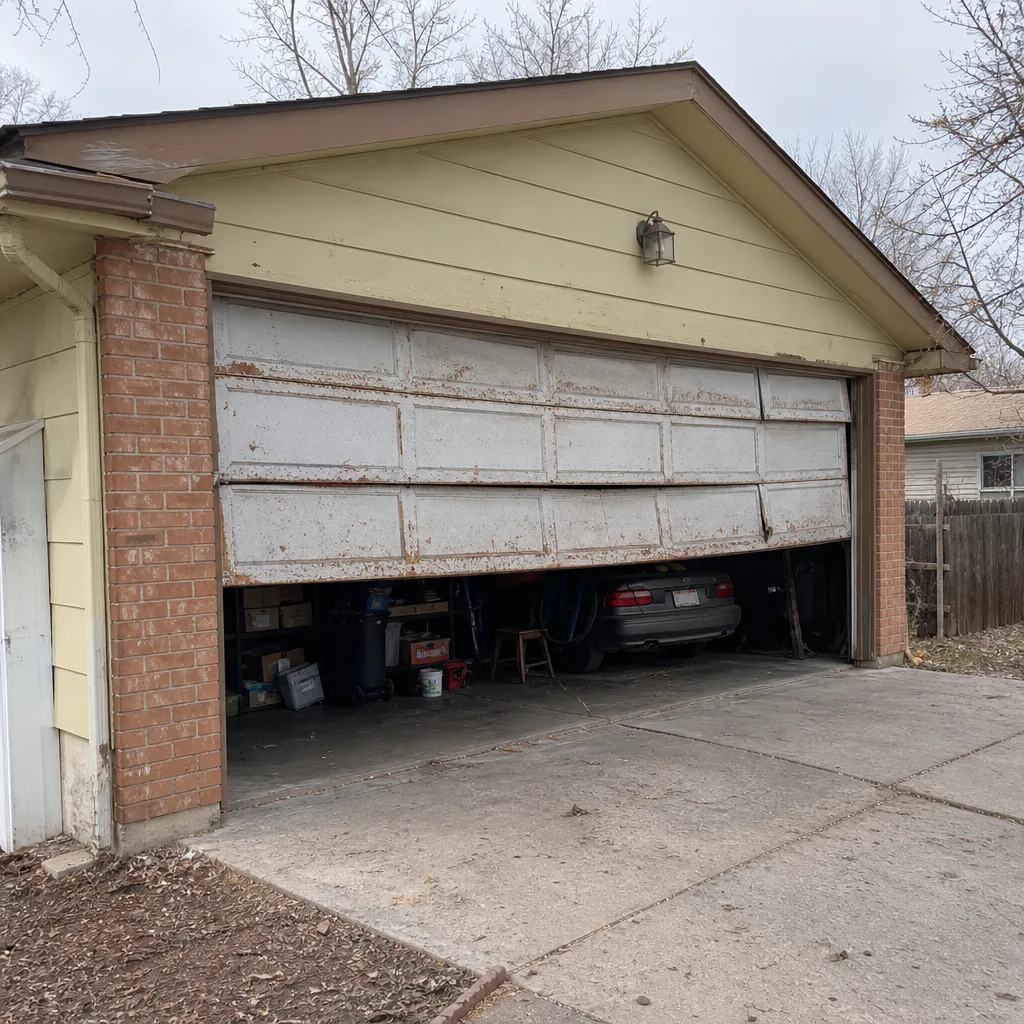 Before
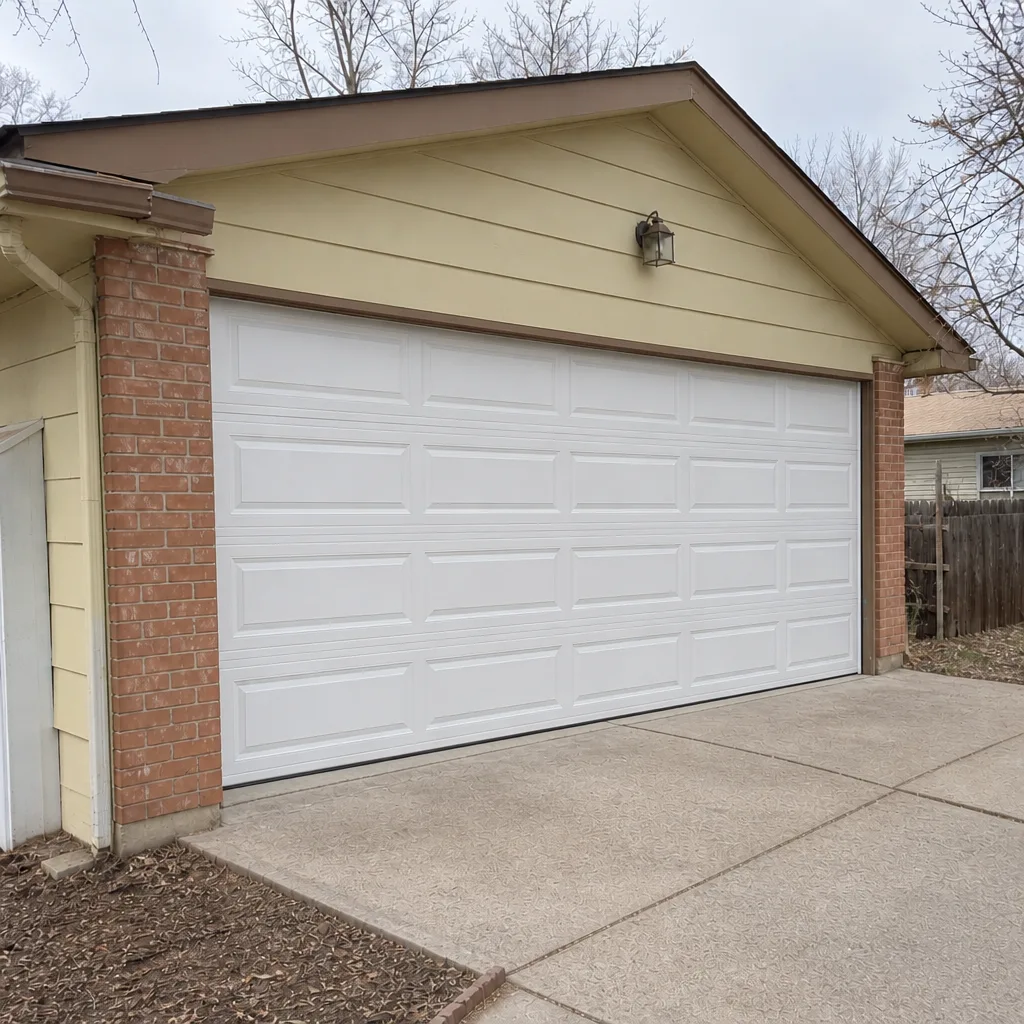 After
When to Call a Professional
Some problems are safe to diagnose yourself; others aren’t. Call a professional when the door won’t open or close, when you hear a loud snap from the spring area, when the door is visibly off its track, or when the opener runs but the door doesn’t move. Any of these can leave the door partway down, which is both a security issue and a weather exposure issue in a Boulder winter. Never attempt spring or cable work yourself; those parts carry high tension and cause serious injuries when they let go. Boulder Garage Door Repair Co offers free estimates in Boulder, and our technicians have up to 12 years of experience with systems from LiftMaster, Chamberlain, Genie, Clopay, Amarr, Wayne Dalton, Craftsman, and Raynor. We answer 24/7, with fast dispatch from 7am to 7pm, Sunday through Friday, and same-day emergency response when a stuck or broken door creates a real safety or security problem. Call (833) 508-9584 to get a written estimate.
Frequently Asked Questions
A typical single torsion spring replacement in Boulder runs about $180 to $340, and a matched pair is usually replaced together at roughly twice that. The written estimate sets the final price, and the price is agreed before work starts. Call (833) 508-9584 for an exact quote, since estimates are free.
Yes, same-day service is available, and emergency work is treated as a genuine security and safety issue rather than a future appointment. We answer 24/7, with fast dispatch from 7am to 7pm, Sunday through Friday. Call (833) 508-9584 and we’ll book the next opening.
Insulated steel with a factory finish holds up best, because it resists both UV chalk and freeze-thaw movement. Aluminum with a thermal break and composite panels also perform well, while unsealed wood and thin uninsulated steel struggle. The bottom seal matters as much as the panel, since water trapped against it accelerates corrosion.
In most Boulder neighborhoods with an association, yes. Table Mesa, Gunbarrel, and Mapleton Hill each have review processes, and the guidelines usually specify approved colors and styles. Get the architectural guidelines first, submit a product sheet and color chip, and wait for approval before ordering to avoid a return.
The local pro we connect you with is licensed and insured as their state requires. Our technicians have up to 12 years of experience and work on doors and openers daily rather than handling them as a sideline. Call (833) 508-9584 to book an estimate.
No. The price is quoted and agreed before any work starts, so the invoice shouldn’t come as a surprise. If the visit reveals a bigger issue than expected, you’ll get a revised written estimate before anything proceeds. Call (833) 508-9584 for a free estimate.
The Bottom Line
Boulder’s elevation and freeze-thaw cycles make garage doors here a different proposition than the generic buying guides suggest. Choose insulated steel with a factory finish, confirm HOA approval before ordering in neighborhoods like Table Mesa and Gunbarrel, and pick an opener rated for real temperature swings rather than flat-country weather. Keep the bottom seal and finish in good shape, and leave spring and cable work to a specialist. If a door fails, a same-day call is worth it because a stuck door is a security problem, not just an inconvenience. Our team at Boulder Garage Door Repair Co handles repair, opener work, spring repair, and installation with the right part on the first visit. Call (833) 508-9584 for a free estimate and a written price before any work starts.
Written by the team at Boulder Garage Door Repair Co.