
Last updated November 22, 2026
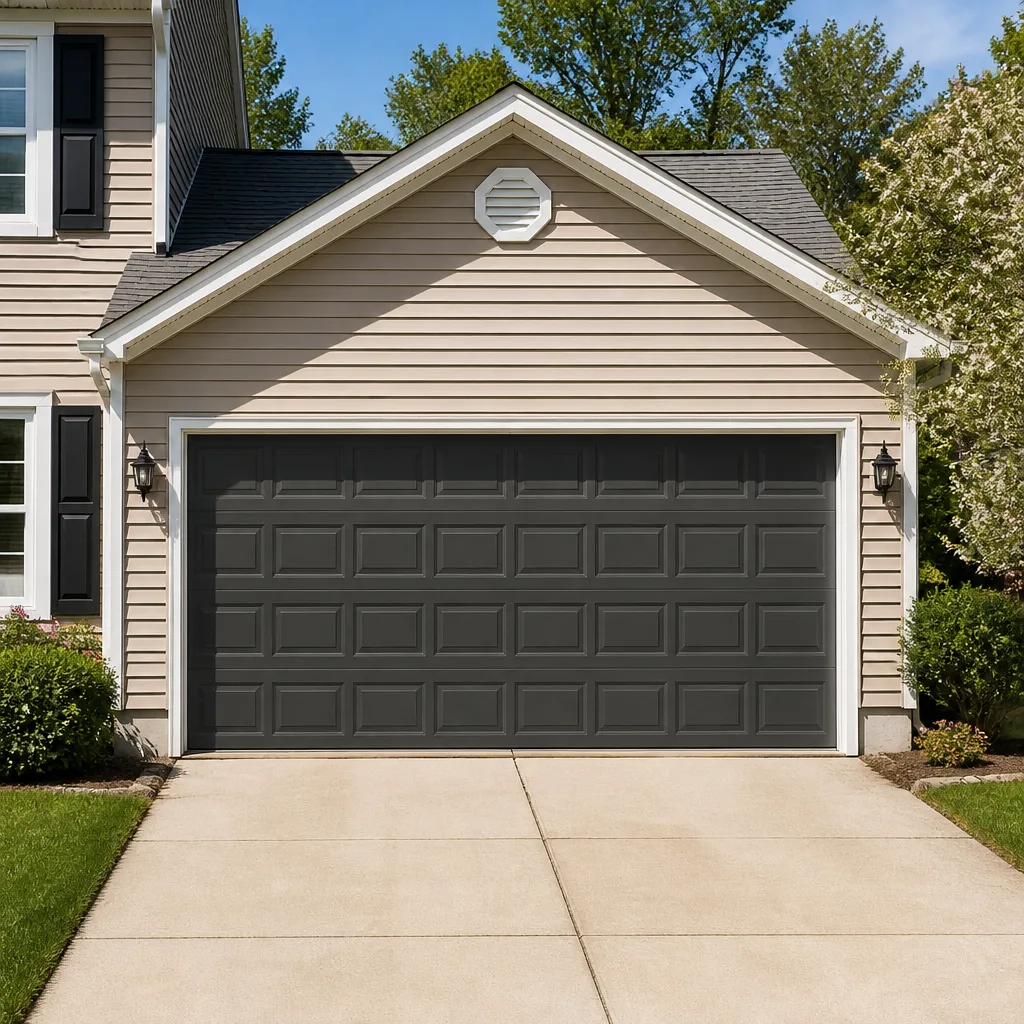 Raised-panel steel
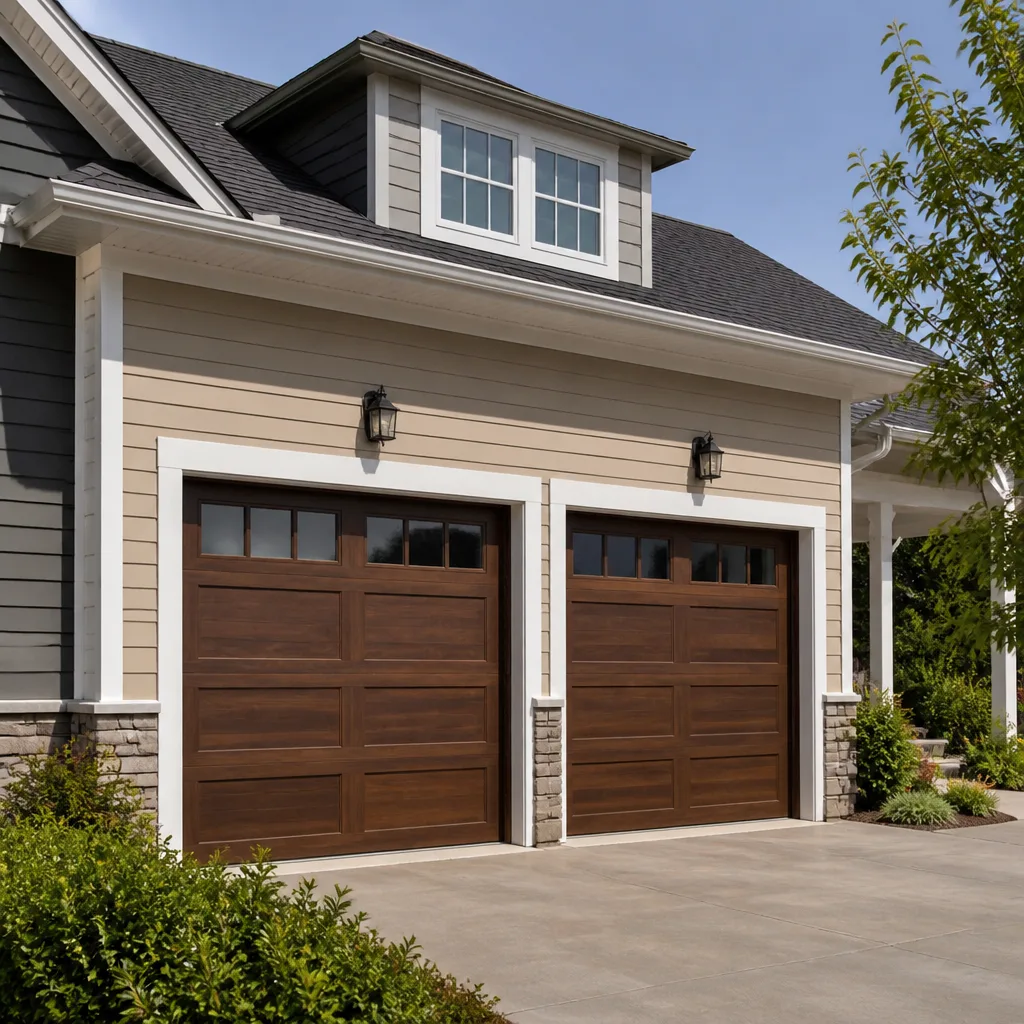
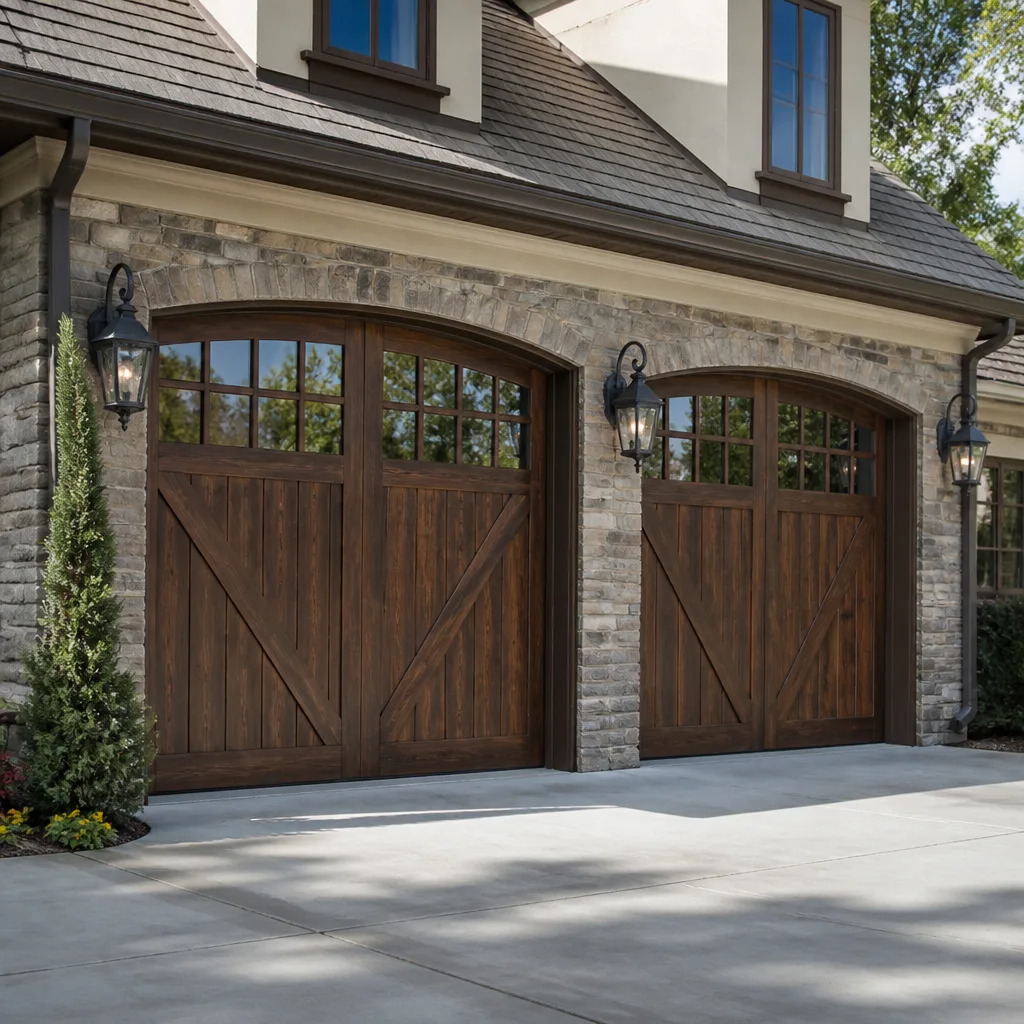 Carriage house
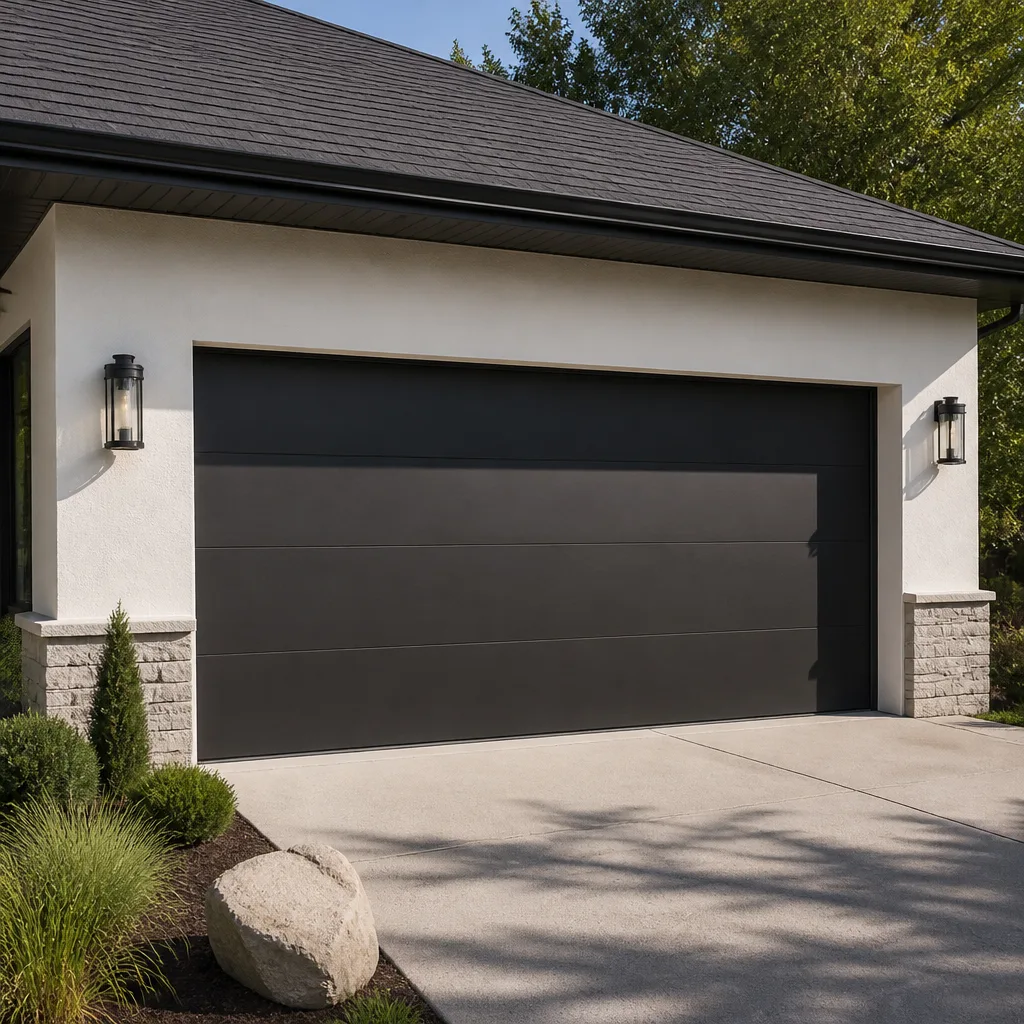 Modern flush
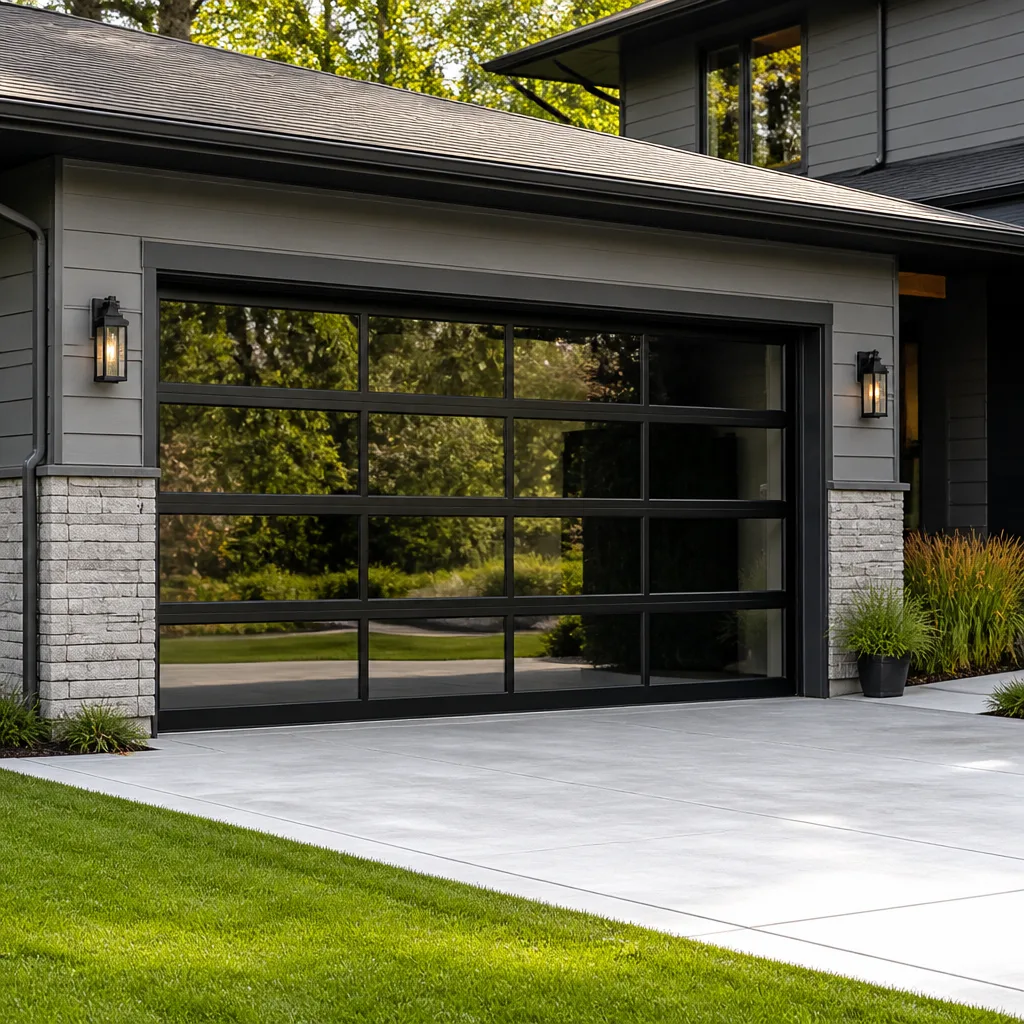 Full-view glass
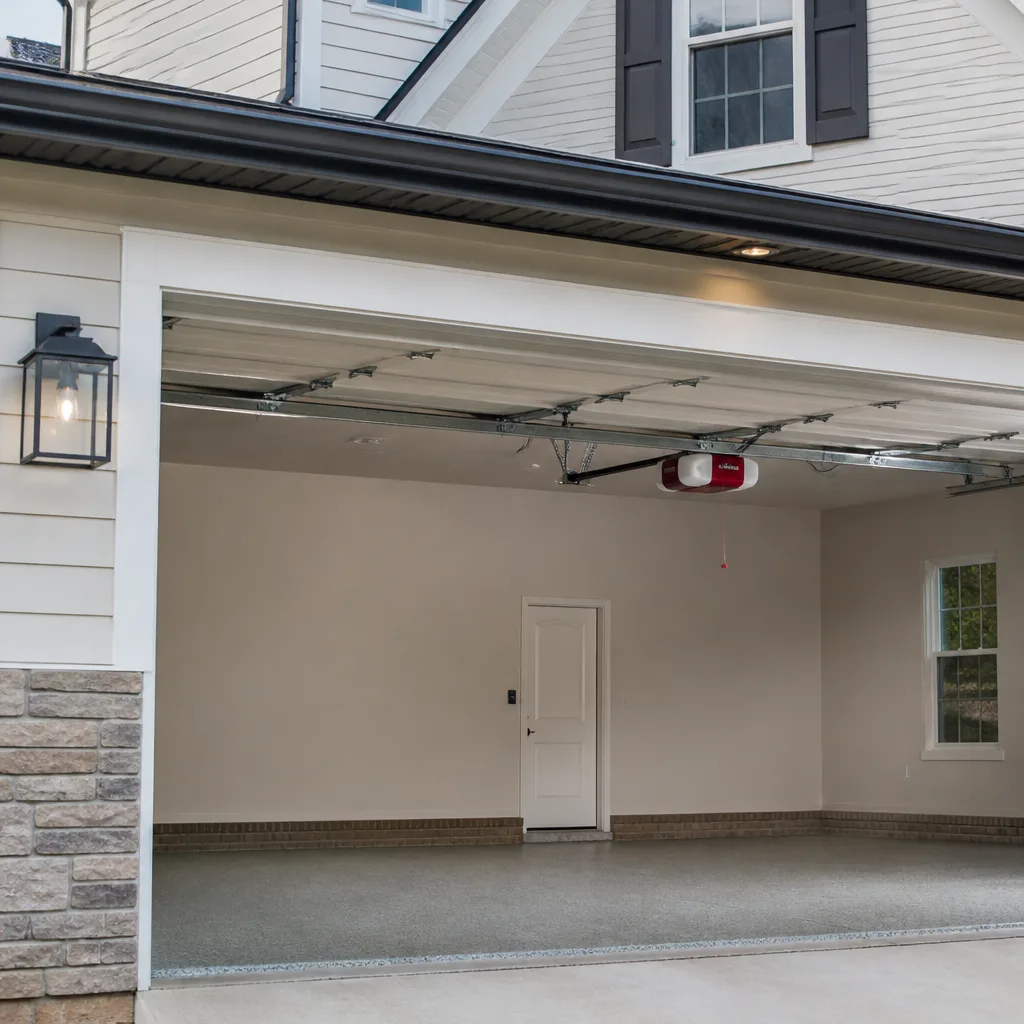 LiftMaster openers
 Chamberlain openers
Full 25-point door and opener safety check with every visit - springs, cables, rollers, tracks, and your LiftMaster or Chamberlain opener included
You get a price before we start. It does not change when the pro arrives.
Get your free estimateGarage Door Emergency Preparedness Guide for Boulder Homes
Most garage door advice assumes you have time. A failing opener usually gives warning. A worn roller usually squeaks first. But Boulder doesn’t always work that way. A spring can snap on the first hard freeze of the season, a wind event can drop a tree limb across your driveway and take the power with it, and a wildfire evacuation order can arrive while your car is parked inside a door you’ve never once opened by hand. The misconception worth killing early is that a garage door emergency is about the door breaking. It’s really about you losing access, security or time at the exact moment you can’t spare any. This guide walks through the preparation that actually changes the outcome: release procedures by brand, trapped-car scenarios in snow, battery backup reality in cold weather, and a pre-evacuation checklist built for Boulder’s wildfire zone.
Quick Answer
A garage door emergency in Boulder is best handled by preparing before it happens: learn the manual release on your specific opener brand, keep the door balanced and serviced so springs don’t fail at the worst moment, and know what to tell a technician when you call. If a door is stuck, a spring has broken, or your car is trapped, call a garage door specialist rather than forcing anything. We answer 24/7, with fast dispatch from 7am to 7pm, Sunday through Friday.
Styles & brands we work with
- Raised-panel steel
- Carriage house
- Modern flush
- Full-view glass
- LiftMaster openers
- Chamberlain openers
Table of Contents
- How Do You Manually Release a Garage Door by Brand?
- What Do You Do When a Spring Breaks in a Snowstorm?
- How Long Do Battery Backup Openers Last in Boulder Cold?
- What’s on a Pre-Evacuation Garage Door Checklist?
- Who Do You Call in an Emergency, and What Should You Say?
- How Do You Prevent Emergencies Before They Start?
- How Do Boulder Winters and Wind Events Stress a Door?
How Do You Manually Release a Garage Door by Brand?
Every residential garage door opener with a trolley has a manual release, and the red cord hanging from it is the single most useful piece of emergency equipment in your garage. The idea is simple: the cord disconnects the door from the opener’s drive so you can lift the door by hand. What trips people up is that the procedure and the feel of it differ by brand, and the only way to know yours is to practice it once with the door closed and nothing at stake.
The brands we work on most often in Boulder homes are LiftMaster, Chamberlain and Craftsman, and they share a common lineage. Chamberlain makes LiftMaster and Craftsman openers, so the trolley release design is close family across all three. Here’s what that means in practice.
LiftMaster and Chamberlain
- The red release cord hangs from the trolley carriage on the rail. Pull straight down and toward the door at roughly a 45-degree angle.
- You’ll feel a firm detent, then the carriage releases. If it resists, don’t yank; pull steadily at the angle instead of straight down.
- On many LiftMaster and Chamberlain units with a battery backup, the door will still try to run on the opener motor, so release the door before you start lifting.
- To re-engage, run the opener until the carriage meets the trolley, then pull the cord toward the opener. The door should click back into drive.
Craftsman
- Older Craftsman openers use the same trolley release, but the cord is often shorter and tucked closer to the rail, which makes it hard to reach with the door down.
- Check that the cord clears any storage racks or bike hooks. If it’s buried, that’s a hazard during an evacuation.
- Craftsman units with a screw-drive rail release slightly differently than belt-drive models; the carriage can feel stiffer, so a steady pull matters more than force.
- If your Craftsman opener has a wall-mounted lock, disengage the lock before pulling the release or the door won’t move.
The important habit: test the release on a calm day. Pull it, lift the door a foot, lower it, and re-engage. That 30-second drill is what makes the difference when it matters. If the release feels stuck or the door won’t lift by hand, that points to a balance problem or a broken spring, and that’s a call to a professional rather than something to force.
What Do You Do When a Spring Breaks in a Snowstorm?
If a spring breaks during a snowstorm and your car is trapped inside, the safe move is to stop, leave the door closed, and call for help. Do not try to force the door up by hand. Torsion and extension springs store enormous energy, and a door with a broken spring is unbalanced and can drop or bind without warning. Forcing it risks injury, damage to the panels and tracks, and a much more expensive repair than the spring itself.
Here’s what a safe interim response looks like while you wait.
- Clear the area. Keep kids and pets away from the door. A broken spring can leave cables loose and the door partially unsupported.
- Don’t run the opener. With a broken spring the opener is fighting an unbalanced door and can strip its gears or burn out its motor.
- Secure the perimeter if the door is stuck open. If the door won’t close, that’s a security gap. Block it from the inside where you can, and don’t leave the house with it open.
- Check the manual release only if the door is intact. If you need to move the car and the door is sound, release the trolley and lift with a helper. If it feels heavy or binds, stop.
- Call and describe what you see. A snapped torsion spring is usually obvious, a coil of metal hanging above the door. A broken extension spring shows as a dangling cable on one side. That detail tells us what to bring.
Boulder’s cold snaps are hard on springs. Metal that’s cycled thousands of times in normal temperatures gets brittle in a sudden freeze, and that’s when a tired spring lets go. The car being trapped is the frustration; the real risk is someone trying to muscle the door open in a snowbank with a broken spring overhead. If a spring has failed, we handle garage door spring repair as a core service, not an upsell, because high-tension spring work is the part of this trade that should never be a DIY project.
How Long Do Battery Backup Openers Last in Boulder Cold?
A battery backup opener typically keeps a door working for a limited number of cycles after the power drops, and in Boulder’s cold that number shrinks. Battery chemistry slows in low temperatures, so a backup that runs the door several times on a mild day may manage noticeably fewer lifts when the garage is below freezing. That’s not a reason to skip a backup. It’s a reason to treat the backup as a way to get your car out once or twice, not as a week-long power plan.
Which openers have it standard matters when you’re preparing. LiftMaster and Chamberlain both offer models with integrated battery backup, often sold as a smart or premium feature, and on those units the backup is built into the head rather than added on. Genie has its own battery backup line as well. If you’re not sure what you have, look at the opener head for a battery compartment and a test button, and press it. If the door lifts on battery power, you’re covered.
What to test before winter
- Press the opener’s battery test button and confirm the door moves on backup power.
- Check the battery date. Backup batteries age, and a cold garage speeds that up.
- Make sure the manual release still works if the battery is dead. That’s your true fallback.
- Know the difference between “the opener has no power” and “the door is broken.” A silent opener with a working light circuit and a quiet door often points to the opener, not the spring.
Wind events around Boulder can knock out power for a neighborhood without any snow involved, so this isn’t only a winter concern. If the opener itself is the failure point rather than the power, that’s a separate fix, and we handle garage door opener repair across all the major brands so you’re not hunting for a second company.
What’s on a Pre-Evacuation Garage Door Checklist?
For homes in Boulder’s wildfire risk areas, the garage door is both an escape route and a vulnerability. Before fire season, you want to know three things: that the door opens by hand without power, that it closes fully and seals, and that you can leave it secured if you evacuate. Most people have never tested any of the three. The checklist below is the preparation that turns a panicked few minutes into a routine.
Before fire season
- Practice the manual release on your specific opener brand, door closed, in daylight. Confirm you can reach the red cord without moving a car or a ladder.
- Test the door’s balance. Release it and lift halfway. A balanced door stays put; one that drifts down hard or slams is a spring or cable problem waiting to happen.
- Clear the garage of stored flammables near the door and along the walls. This is standard wildfire guidance and it applies in the garage too.
- Confirm the door closes fully. A door that reverses or stops short won’t seal against smoke or embers, and a gap is a security hole if you leave.
- Photograph the door and opener for insurance records, and write down the brand and model.
When an evacuation order comes
- Close the door completely and confirm it latched. Don’t leave it partway up.
- If the power is out, use the manual release only if you must move a car, then re-engage the door and close it.
- If the door won’t close at all, don’t block your own exit trying to fix it. Get clear, and call once you’re safe.
- If you’re leaving a door you can’t secure, tell us when you call. A stuck-open door on an evacuated street is a real security concern.
Boulder County has been through enough fire seasons that most households have a go-bag. The garage step is the one people skip, and it’s the one that gets you out of the driveway. If your door is the thing standing between you and the road, that’s an emergency call, and we treat a stuck or broken door as a security and safety issue rather than a future appointment.
Who Do You Call in an Emergency, and What Should You Say?
Call a dedicated garage door specialist, and have the details ready before you dial so dispatch can send the right technician with the right parts. A general handyman or a multi-trade company usually can’t diagnose a specific opener or source a brand-correct spring on the spot. A specialist can. We answer 24/7, with fast dispatch from 7am to 7pm, Sunday through Friday.
What to have ready when you call:
- The brand and model of your door and opener. LiftMaster and Chamberlain units diagnose differently than a Genie or a Wayne Dalton, and knowing the brand speeds up the visit.
- What happened. A loud bang followed by a door that won’t lift usually means a torsion spring. A door that reverses or stops halfway points to the opener, a sensor or a track issue.
- Whether a car is trapped. Say so up front. It changes the priority and the tools.
- Whether the door is stuck open. That’s a security issue, and we need to know.
- Your address and gate or access notes, especially on rural or hillside properties in the Boulder area.
Then describe what you see rather than guessing at the fix. The more specific you are, the fewer return trips and the faster the door is working again. Once a technician arrives, the price is quoted and agreed before any work starts, so there’s no surprise invoice afterward. If the issue is a damaged panel or a door that took a hit, we handle garage door repair across Clopay and other major door brands, which means one call covers the diagnosis and the fix.
How Do You Prevent Emergencies Before They Start?
Most garage door emergencies are predictable, and that’s the good news. The failures that strand a car or leave a door open overnight usually build up over months: a spring that’s been cycled past its life, rollers that have gone dry, a track that’s been nudged out of alignment. A little routine attention catches them before they fail at the worst possible time.
A simple seasonal routine for Boulder homes
- Monthly: watch and listen. A door that shudders, squeaks or slows down is telling you something.
- Monthly: test the safety reverse. Put a piece of wood in the door’s path and confirm it reverses on contact.
- Seasonally: inspect the springs for gaps or a stretched coil, and the cables for fraying. If anything looks off, stop using the door and call.
- Before winter: test the battery backup and replace the battery if it’s aged, and lubricate the moving parts with a proper garage door lubricant.
- Annually: have a specialist check balance, tension and alignment. That’s where the wear you can’t see gets caught.
Our technicians have up to 12 years of experience and work on the door systems Boulder homeowners actually own, which means a worn part gets identified and replaced with the right fit on the first visit rather than after a return trip. When a door does need replacing rather than repairing, we cover the full range, from a single broken cable to a complete new installation. That includes garage door installation when a door is past saving. You can learn more about how we work at Boulder Garage Door Repair Co.
How Do Boulder Winters and Wind Events Stress a Door?
Boulder’s weather asks a lot of a garage door. The freeze-thaw cycle works metal and seals, wind gusts load the door face, and the temperature swings that show up along the Front Range push springs and openers harder than in a mild climate. The door that’s fine in July can be a different machine in January, and the transition is where most problems surface.
What that means in practical terms:
- Cold stiffens everything. Lubricant thickens, rollers drag, and the opener works harder to move the same door. A door that sounds fine in summer can strain in a hard freeze.
- Springs are the weak link. Metal that’s cycled for years gets brittle, and a sudden cold snap is often the trigger for a break.
- Wind loads the panels and tracks. A gust strong enough to bend a track can leave the door off its line and refusing to close.
- Power outages follow wind. That’s the scenario where a battery backup and a practiced manual release earn their keep.
None of this is avoidable, but all of it is manageable with preparation. The Boulder homes that get through a rough season without a stranded car are the ones where the door was serviced, the backup was tested, and the manual release was practiced before it was needed.
Common Mistakes to Avoid
- Never practicing the manual release. The red cord is useless if you’ve never pulled it and don’t know how your specific brand feels when it releases. Practice it once with the door closed.
- Forcing a door with a broken spring. Lifting a heavy unbalanced door by hand can drop it, bend the panels and cause injury. Stop and call.
- Running the opener on a broken spring. The motor will fight an unbalanced door and can strip its gears or burn out. Don’t touch the button until it’s fixed.
- Assuming a battery backup is a week-long power plan. In Boulder cold, a backup gets your car out a time or two, not through an extended outage. Know its limits and test it before winter.
- Skipping the garage in wildfire prep. Clear flammables, confirm the door closes fully, and make sure you can open it by hand. It’s the exit route and a security point at once.
- Calling a generalist for a brand-specific problem. A multi-trade company often can’t diagnose a LiftMaster or Genie opener quickly or source the right part on the first visit. A dedicated specialist can.
- Ignoring the warning signs. A door that shudders, squeaks or slows down is telling you a failure is coming. Catch it before it strands you.
See the difference
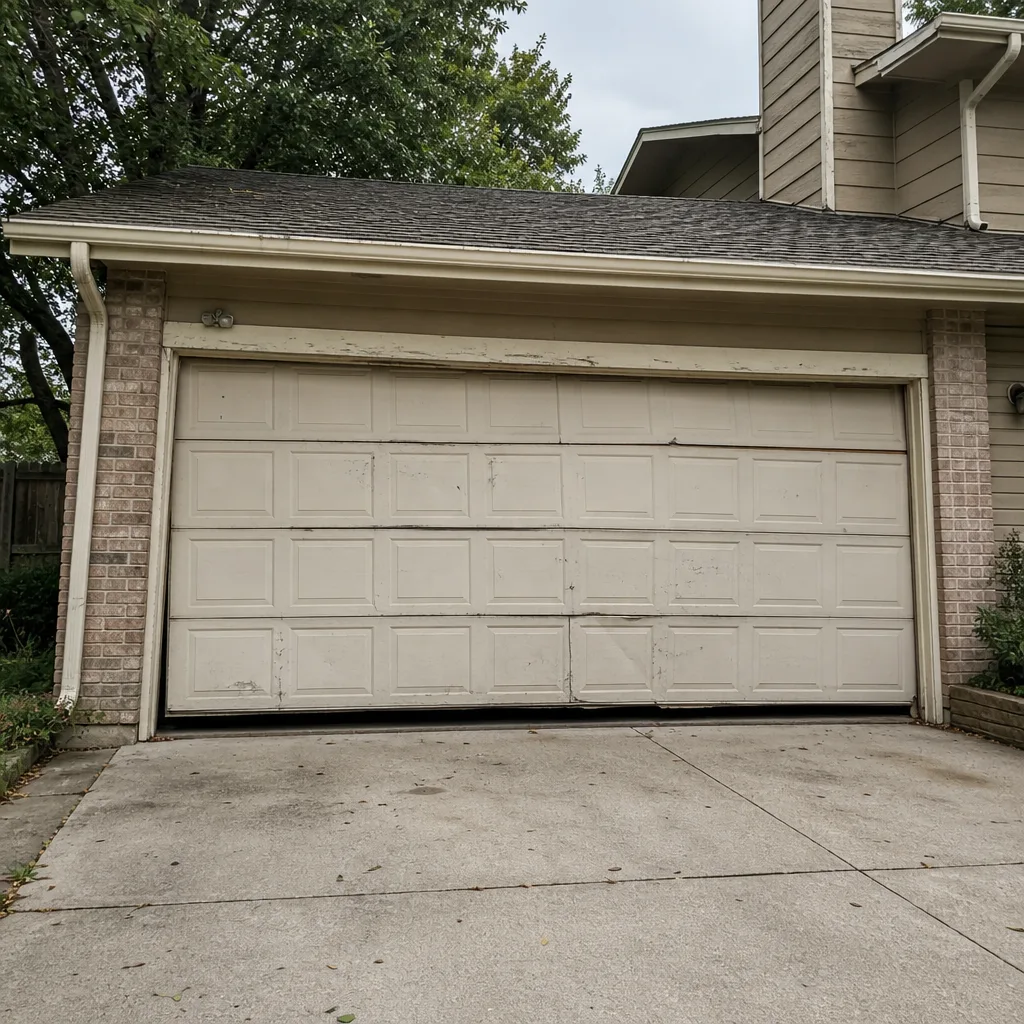 Before
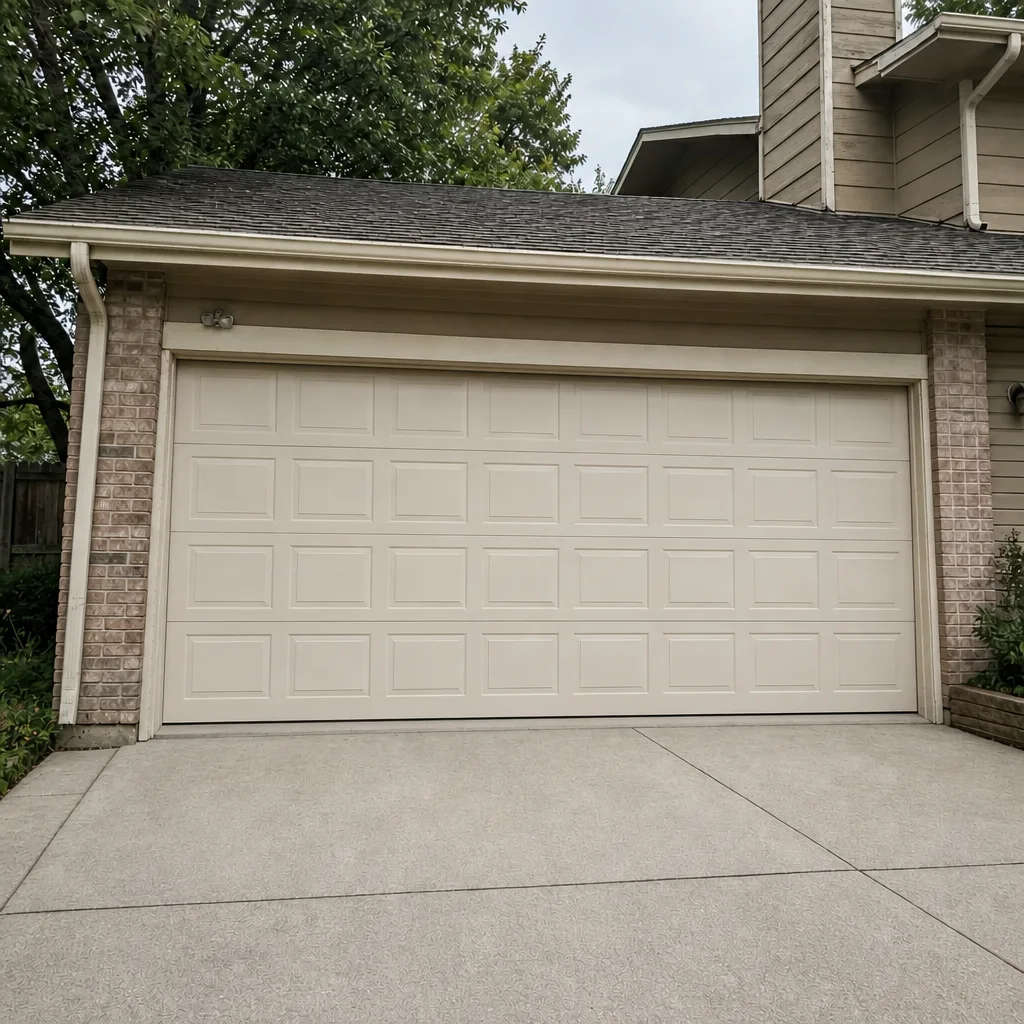 After
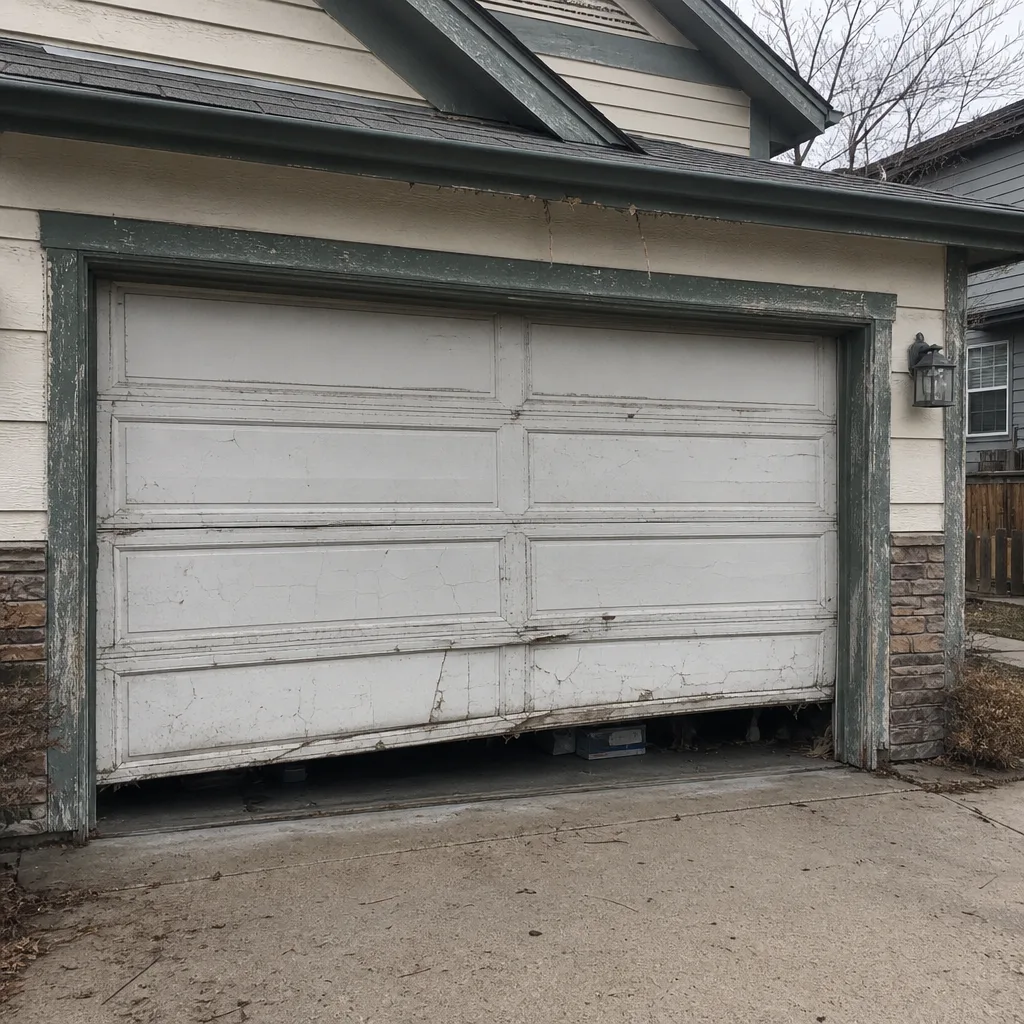 Before
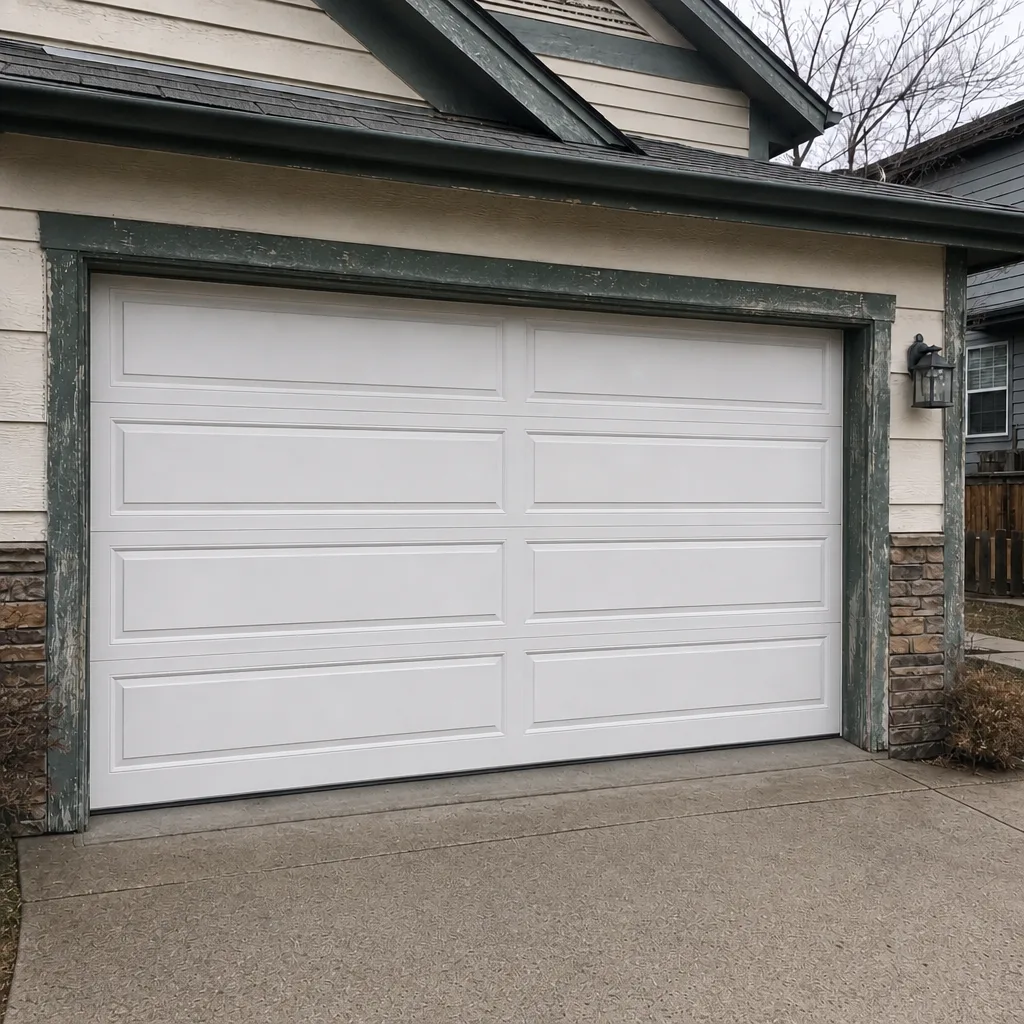 After
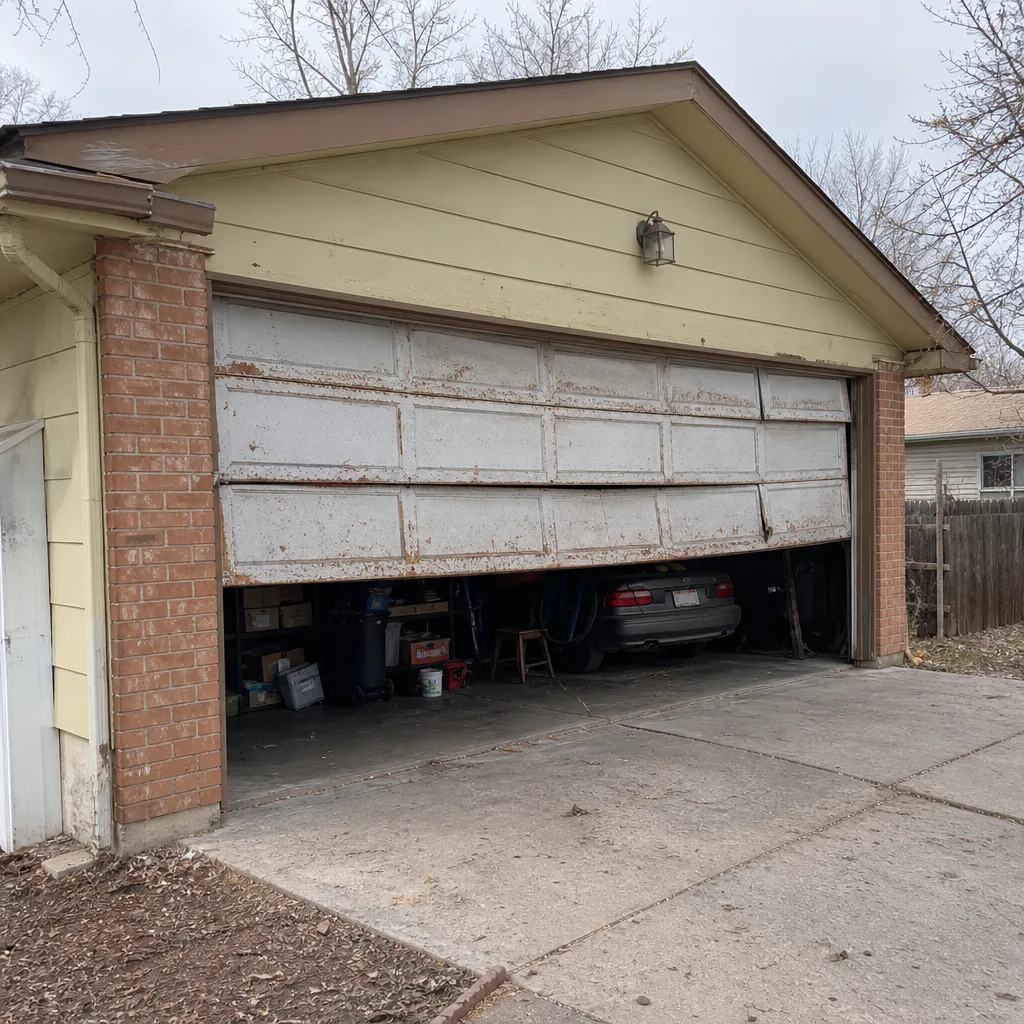 Before
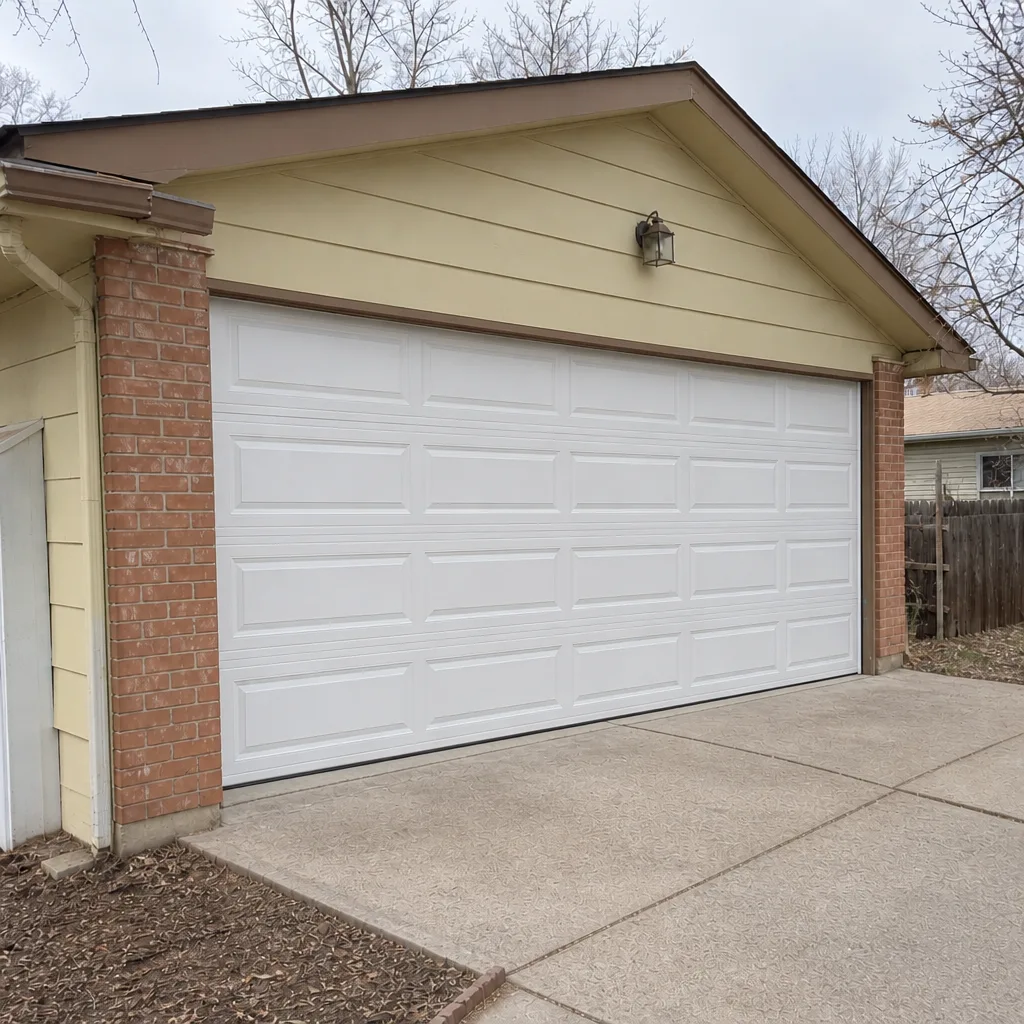 After
When to Call a Professional
Call a professional whenever the problem involves a broken spring or cable, a door that won’t close or is stuck open, an opener that’s failed or is behaving unpredictably, or a car trapped inside. Those are the situations where forcing it makes things worse and where a trained hand makes the difference. High-tension spring work, in particular, is not a homeowner job. If you’re not sure whether it’s serious, describe it to us and we’ll tell you straight. Boulder Garage Door Repair Co offers free estimates in Boulder. Call (833) 508-9584. We answer 24/7. Fast dispatch from 7am to 7pm, Sunday through Friday.
Frequently Asked Questions
Pull the red manual release cord hanging from the trolley on the opener rail, then lift the door by hand. The pull angle and feel differ slightly by brand, so practice it on your LiftMaster, Chamberlain or Craftsman opener before an outage. If the door feels heavy or binds once released, stop; that points to a spring or balance issue, so call a specialist.
It can sometimes be lifted by hand, but it’s unsafe and we don’t recommend it. A door with a broken spring is unbalanced and can drop or bind, and the stored energy in the spring system makes it hazardous. Leave the door closed and call; spring repair is a job for a trained technician.
It runs a limited number of cycles, and fewer in a cold Boulder garage than in warm weather, because battery chemistry slows at low temperatures. Treat it as a way to get your car out once or twice, not through a long outage. Test it before winter and replace an aged battery.
They share the same trolley-release design, since Chamberlain makes LiftMaster, so the procedure is essentially the same: pull the red cord at a slight angle to release the carriage. The difference is usually the cord length and how tucked in it is. Craftsman, also Chamberlain-made, follows the same pattern but sometimes has a stiffer screw-drive carriage.
Call a dedicated garage door specialist. A broken spring, a stuck-open door or a failed opener needs brand-specific knowledge and the right parts, and a general handyman usually can’t diagnose a specific opener model or source a correct spring on the first visit. Call (833) 508-9584 for an exact quote. Estimates are free.
Close it completely and confirm it latched, clearing flammables from the garage first. If the power is out and you must move a car, use the manual release, then re-engage and close the door. If it won’t close at all, get clear and call once you’re safe. Tell us the door is stuck open if you can’t secure it.
The Bottom Line
Garage door emergencies in Boulder are predictable enough to prepare for, and the preparation is mostly simple: know your manual release, keep the door serviced so springs don’t fail at the worst moment, test your battery backup before winter, and treat the garage as part of your wildfire plan. The pattern behind most stranded cars and stuck-open doors is a warning that went unheeded, or a procedure nobody practiced once when it was calm. Small habits, tested in daylight, change how an emergency goes. When the door does fail, call a specialist who knows your brand, describe what you see, and let us bring the right part the first time.
Written by the team at Boulder Garage Door Repair Co.