
Last updated November 22, 2026
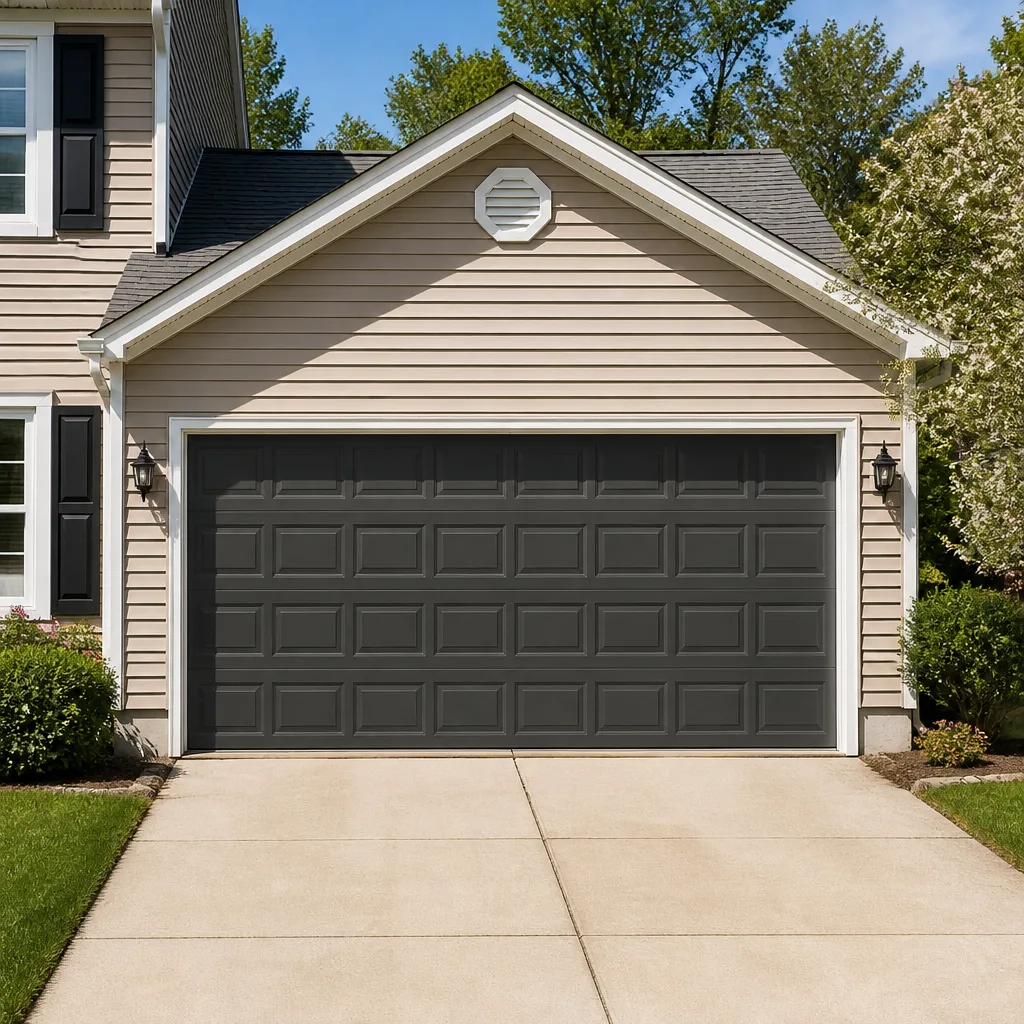 Raised-panel steel
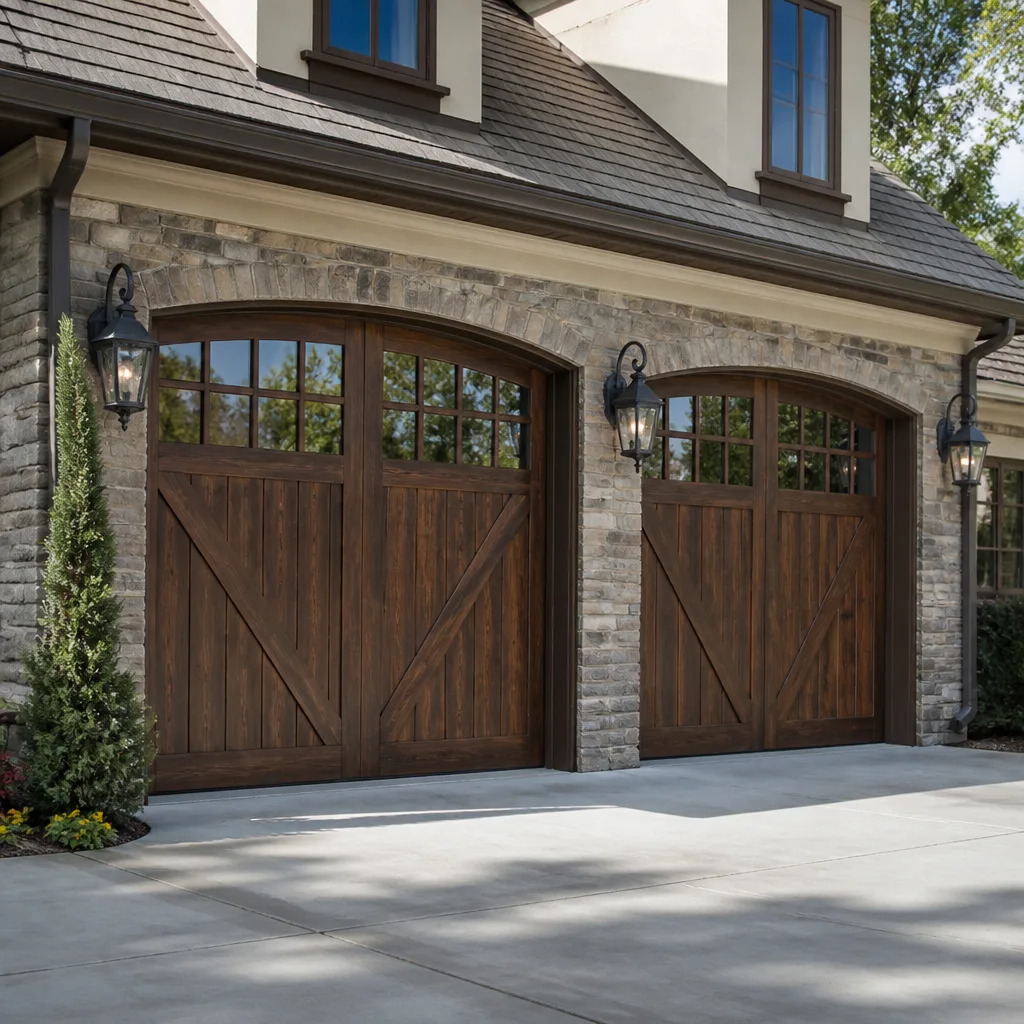 Carriage house
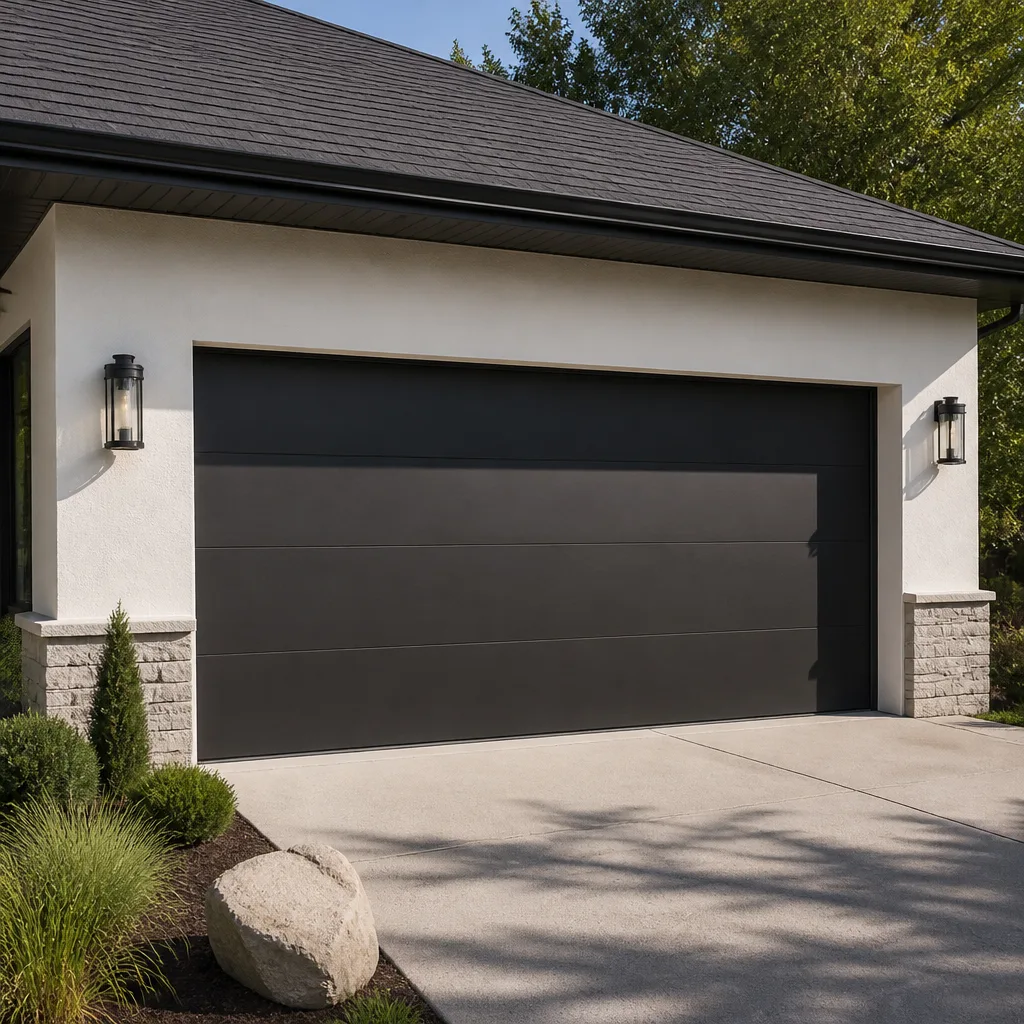 Modern flush
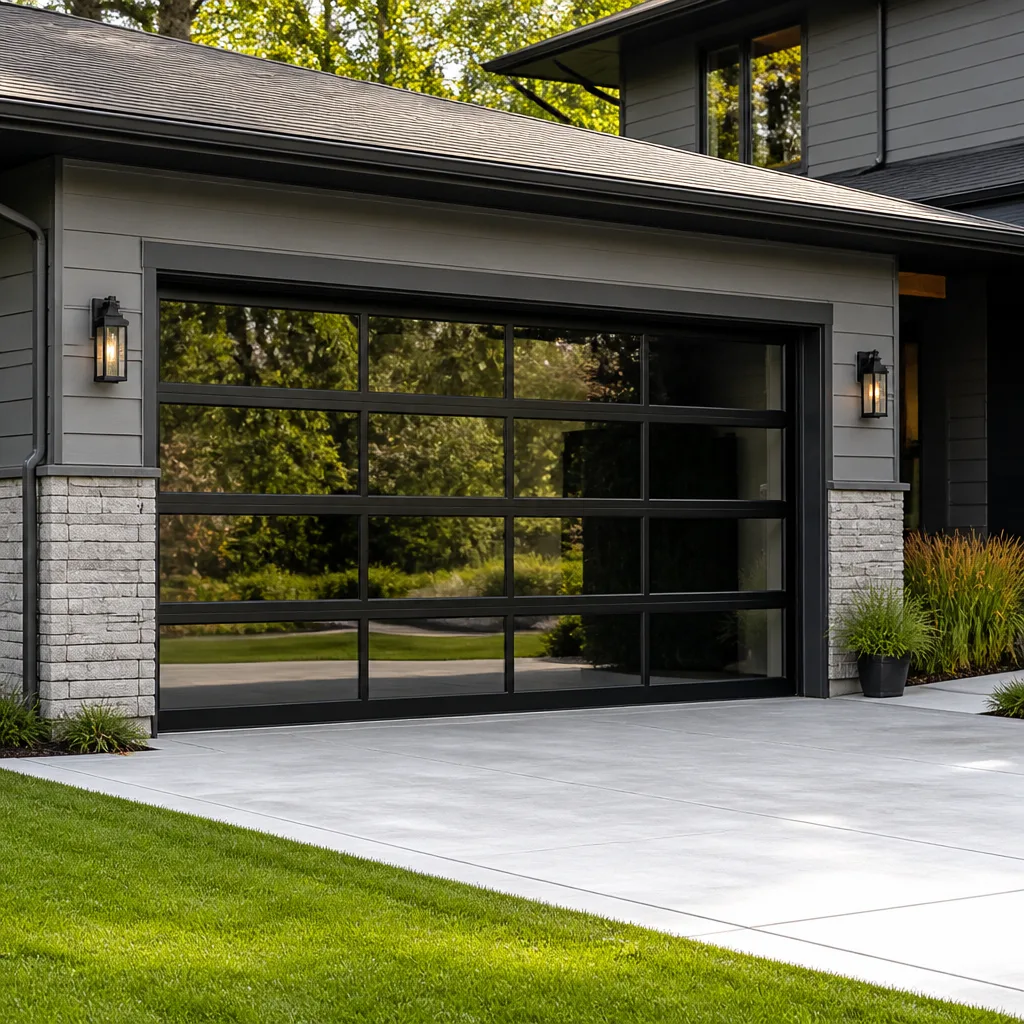 Full-view glass
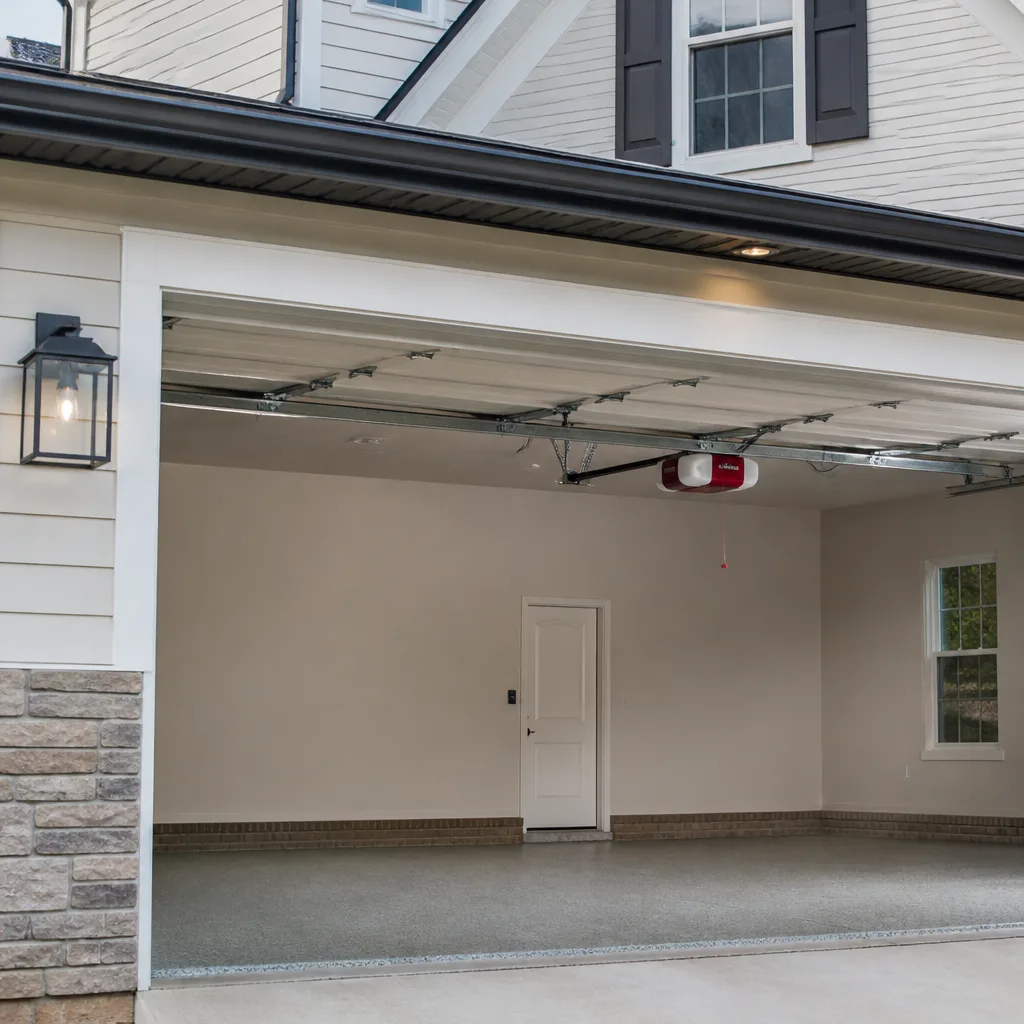 LiftMaster openers
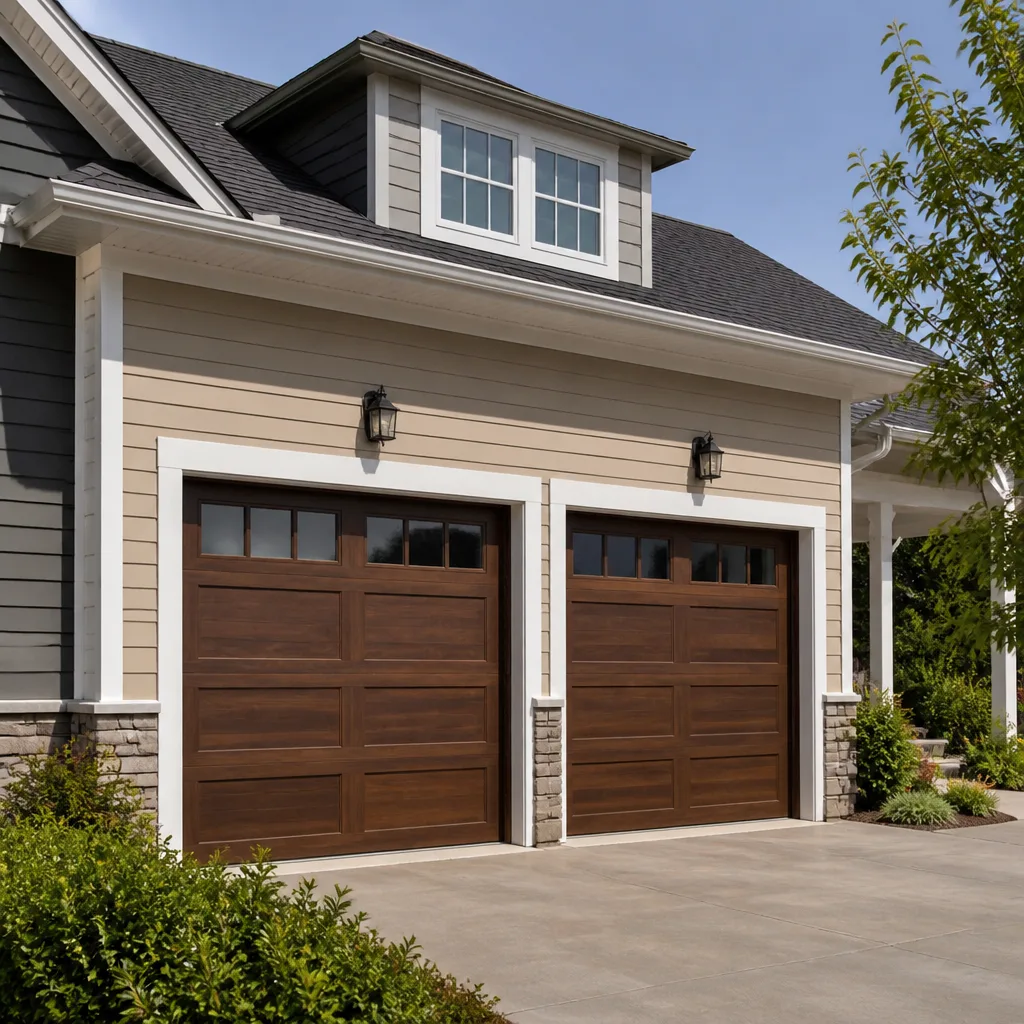 Chamberlain openers
Full 25-point door and opener safety check with every visit - springs, cables, rollers, tracks, and your LiftMaster or Chamberlain opener included
You get a price before we start. It does not change when the pro arrives.
Get your free estimateDIY vs Professional Garage Door: The Boulder Homeowner’s Decision Guide
Most homeowners assume the garage door is entirely off-limits for DIY. That’s not quite true, and the assumption costs people money on tasks they could handle in twenty minutes. The real dividing line isn’t skill level. It’s stored energy, warranty language, and how a specific brand’s parts are specified. Swapping a bottom seal, realigning a photo-eye, or reprogramming a keypad is genuinely safe territory. Touching a torsion spring that’s holding a door’s worth of tension in a coil of steel is not. Boulder sits at the foot of the Flatirons, where doors cycle hard and the temperature swings stress both steel and seals. This guide draws the line precisely, task by task, so you neither overpay for the easy work nor take on the work that sends people to the ER.
Quick Answer
In Boulder, safe DIY garage door work is limited to maintenance: weatherstripping, lubrication, sensor alignment, track cleaning, and opener reprogramming. Everything involving torsion or extension springs, lift cables, torsion tubes, and structural track repair belongs to a trained specialist. The reasons are injury potential, warranty consequences, and the part-spec problem – springs and openers are matched to a specific door’s weight and to brand-specific specifications, not sold as universal parts.
Styles & brands we work with
- Raised-panel steel
- Carriage house
- Modern flush
- Full-view glass
- LiftMaster openers
- Chamberlain openers
Table of Contents
- Where the DIY Line Actually Is
- Why Torsion Spring DIY Is a Different Category of Risk
- Warranty Reality: What DIY Maintenance Voids and What It Doesn’t
- The Honest Cost of a “Free” DIY Spring Replacement
- How Brand Knowledge Changes the DIY Calculus
- Boulder Climate and Housing: Why Local Doors Work Harder
- The Maintenance Chores Worth Doing Yourself
- What a Professional Visit Actually Includes
Where the DIY Line Actually Is
Think of your garage door as two systems. The door itself is a big, heavy panel assembly that hangs on tracks and cables. The counterbalance system is the springs and cables that make that weight feel like nothing. Almost everything you can safely do yourself lives on the outside edges of the door. Almost everything dangerous lives in the counterbalance.
Here’s the task-by-task split we use when we explain a job to a homeowner:
- DIY-friendly: Replacing bottom weather seals, lubricating rollers, hinges and the opener rail, aligning or cleaning photo-eye sensors, adjusting a keypad or remote, cleaning the tracks, tightening visible bracket bolts, and checking the balance by hand.
- Professional-only: Replacing torsion springs, replacing extension springs, replacing lift cables, replacing a torsion tube, straightening bent track, replacing rollers that are stuck in a bent section, and adjusting the counterbalance itself.
- Gray area: Replacing the opener logic board or motor, re-tensioning a loose chain, and shimming an opener that has drifted out of alignment. These are safe to touch but easy to get wrong in a way that costs more than the service call.
For a Boulder homeowner, that split is the whole guide in one table. Read it twice before you buy anything online.
Why Torsion Spring DIY Is a Different Category of Risk
The torsion spring is a coil of hardened steel wound tightly around a metal shaft and anchored at each end. It’s holding the full weight of the door in tension. When it breaks, it releases all of that stored energy at once. That’s why a snapped spring sounds like a gunshot.
What makes it different from other household repairs isn’t the difficulty of the job; it’s the failure mode. If you rewire a light incorrectly, a breaker trips. If you overtighten a plumbing fitting, water leaks. If a torsion spring winds wrong under your hands or slips off its winding bar, there’s no warning and no second chance. YouTube tutorials don’t change the physics. They show the winding steps but they can’t hand you the balance, the bracing, and the experience of knowing when a spring is loaded correctly.
Extension springs carry the same concern with a different geometry. They stretch along the side of the door and are supposed to be contained by safety cables. If those cables are missing, the spring can release across the garage. If you’re inspecting your door and see springs without cables, that’s not a DIY fix; it’s a reason to call someone.
This is why garage door spring repair is one of the few home maintenance tasks we tell people not to touch. Not because we want the work. Because we don’t want the injury.
Springs are also matched to door weight. The wire gauge, inside diameter, length, and wind direction are all calculated against the door’s actual weight. Two doors that look identical can have different specifications. A spring bought on size alone will fail early or leave the door badly balanced. That balance problem is what breaks openers, bends tracks, and tears cables later. A trained technician measures the door, reads the existing spring, and matches it. For anyone working in Boulder, spring replacement is the fix, not a fix.
Warranty Reality: What DIY Maintenance Voids and What It Doesn’t
This is where homeowners make expensive decisions ahead of the repair itself. Manufacturer coverage on a garage door, opener, or spring is written around installation and service being done per the manufacturer’s instructions. The details vary by brand – a LiftMaster opener, a Chamberlain, a Raynor door, and a Craftsman opener each read a bit differently – but the pattern is consistent across the industry.
The useful rule of thumb:
- Allowed and expected: Cleaning, lubrication of moving parts per the manual, weatherstripping replacement, and battery changes. These are routine owner tasks and don’t affect coverage.
- Allowed but read the manual first: Photo-eye alignment, remote and keypad programming, and limit adjustments on the opener. Most manuals walk through these in a page or two.
- Voids the warranty: Any disassembly of the spring system, third-party modification of the opener wiring, replacement of structural track components, and mismatched parts from outside the brand’s spec.
In Boulder, where hail, wind, and temperature cycling already stress the door, a voided warranty can turn a small failure into a full replacement cost. If you have paperwork from the original install, read the exclusions section before you decide what to touch.
The Honest Cost of a “Free” DIY Spring Replacement
Spring replacement looks cheap on paper. A replacement pair costs far less than a service call. What the math misses is everything that surrounds the spring.
- Winding bars and safety equipment. Springs can’t be safely wound with sockets, screwdrivers, or pliers. Proper winding bars are the minimum tool, and they’re sold in pairs, not singly.
- Time. A first-time spring replacement on a door you haven’t worked on before runs hours, not minutes. If something doesn’t line up, that multiplies.
- Part-match risk. A spring of the wrong gauge or length will install, tension the door, and then fail early, sometimes within months. There is no way to know by looking at it on a shelf. The correct spring is defined by the specific door.
- Callback risk. If the door is unbalanced after a DIY install, the opener wears out faster and the cables take more load. That’s the failure you call someone about three months later.
- Injury risk. This is the one that doesn’t show up on a receipt, and it’s the real reason to leave it to a technician.
For the estimate itself, the price is set per job and confirmed in writing before work starts. That written price is the number you pay. If you want a straight answer on your door, Boulder Garage Door Repair Co quotes it up front and free.
How Brand Knowledge Changes the DIY Calculus
Whether a task belongs in the DIY column depends partly on which brand is on your door. This is the point most guides skip.
A Craftsman or LiftMaster opener is broadly documented and parts are widely available. Programming a remote, swapping a light lens, changing the backup battery, and clearing a fault code are all owner-level tasks on those units. The information you need is either in the manual or on a support page. If you have an Amarr or Wayne Dalton door, the door itself is a managed product where panel and hardware choices are brand-specific, and sourcing correct replacement parts becomes the bottleneck.
The hard case is spring and hardware specification. A homeowner with a widely-documented opener can find genuine parts without difficulty. A homeowner with a Raynor door who needs a spring replaced has to know the wind load spec for that specific door in that specific garage. The spring has to be matched to the door weight and to the wind load the door was purchased for. You can’t infer that from the outside. Getting it wrong means the door operates, then doesn’t, and then does damage the next time the opener pulls against an unbalanced spring.
That’s the practical reason we work on LiftMaster, Chamberlain, Genie, Clopay, Amarr, Wayne Dalton, Craftsman, and Raynor, and why we ask for the brand before we dispatch. It shortens the diagnosis, it makes sure the right part fits the first time, and on the DIY side it tells you where to stop.
Boulder Climate and Housing: Why Local Doors Work Harder
Boulder’s climate wears garage doors on two fronts at once. The temperature swing from winter cold to summer heat is large enough to shrink and expand every moving part in the system. Lubrication done in July looks adequate until the first cold snap strips it off the rollers. Weatherstripping that seals well in summer cracks along the folds by February.
Then there’s the wind. Boulder’s downslope wind events put real load on a door that’s facing west or south, and a door that’s just slightly out of balance in calm weather will rattle and cycle wrong when the wind picks up. Doors on south-facing garages also take UV harder, and the rubber seal along the bottom is often the first part to fail. In neighborhoods around Table Mesa, the seals and rollers take more wear than the door panels do. Up in Gunbarrel and along the open stretches east of Broadway, wind exposure drives more spring and track fatigue.
What that means for a homeowner weighing DIY: the cheap maintenance tasks are exactly the ones that matter most here. Seals and lubrication save more door life in Boulder than anywhere else. The expensive repairs (springs, cables, tracks) are the ones that come back sooner if the maintenance is skipped.
The Maintenance Chores Worth Doing Yourself
Here’s the owner-level routine we walk homeowners through. All of it is safe, none of it requires special tools beyond a lubricant and a screwdriver, and all of it will extend the life of the door.
- Check balance. With the door closed, pull the opener’s release handle to disconnect the door from the operator. Lift the door by hand to about halfway. It should stay there on its own. If it drops or rises, the balance is off and a technician should look at it.
- Lubricate the right parts. A silicone or lithium spray on hinges, rollers, and the opener rail. Skip the tracks themselves – grease in the track collects grit.
- Inspect the bottom seal. Look for cracks, gaps, and hardened rubber. A replacement seal is one of the easiest swaps on the door, and it stops cold air, water, and pests.
- Clean and align the photo-eyes. Wipe the lenses at the bottom of each track. If the door reverses on its own, alignment is the first thing to check.
- Listen for new sounds. A rhythmic squeak points at a roller. A grinding sound points at the opener gear or chain. A single loud snap followed by a heavy door means a spring broke – stop using the door and call a pro.
- Reprogram the keypad and remotes as needed. For a Craftsman or Chamberlain unit, the manual walks through it in minutes. If you don’t have the manual, model lookup usually covers it.
If a chore turns up something in the professional-only column – a cable that’s frayed, a track with a visible bend, springs without safety cables – stop. That’s the moment to bring in a trained technician.
What a Professional Visit Actually Includes
A professional visit is not just someone doing the part swap you couldn’t do yourself. It’s a whole-system check. When we come out for garage door repair, the technician is looking at springs, cables, rollers, hinges, tracks, the opener, the safety reverse function, and the balance together. A snapped spring is often a symptom of a door that’s been out of balance for a while, and fixing the spring alone leaves the next failure waiting.
The visit typically covers:
- Measuring the door and matching the right spring or cable spec
- Testing the balance after the repair
- Checking the opener’s force settings against the new door weight
- Confirming the safety reverse system works
- Inspecting rollers, hinges, and tracks for wear caused by the original issue
If the opener is the problem, the same visit covers garage door opener repair on your brand, so you don’t need a second call to finish the job. Our technicians have up to 12 years of experience, and they work on the eight major brands the day they arrive, not after a lookup call.
Common Mistakes to Avoid
- Buying a spring by size alone. Two doors of the same width can have different spring specs based on the panel weight and wind load. The wrong spring looks right and fails early. In Boulder, where doors face real wind events, this matters more than it does in sheltered neighborhoods.
- Using winding bars or tools you don’t have. A torsion spring cannot be wound with a socket, a screwdriver, or pliers. There is no safe shortcut.
- Greasing the tracks. Lubricant in a track collects grit, which wears rollers and slows the door. Lubricate rollers, hinges, and the opener rail, not the track surface.
- Replacing an opener because the door is heavy. A door that won’t lift easily by hand is a balance problem, not necessarily an opener problem. Replacing the opener first wastes money and the new unit dies the same way.
- Cutting safety cables off extension springs. If your extension springs don’t have containment cables, that’s a call to a technician, not a cut-and-remove job.
- Doing work that voids coverage to save a small amount. On a Boulder door that faces wind and hail, voided coverage is a bigger cost than the service call it was meant to avoid.
- Skipping the balance test after any change. Every spring, cable, or roller change alters balance. If the door doesn’t hold halfway up on its own, the job isn’t finished.
See the difference
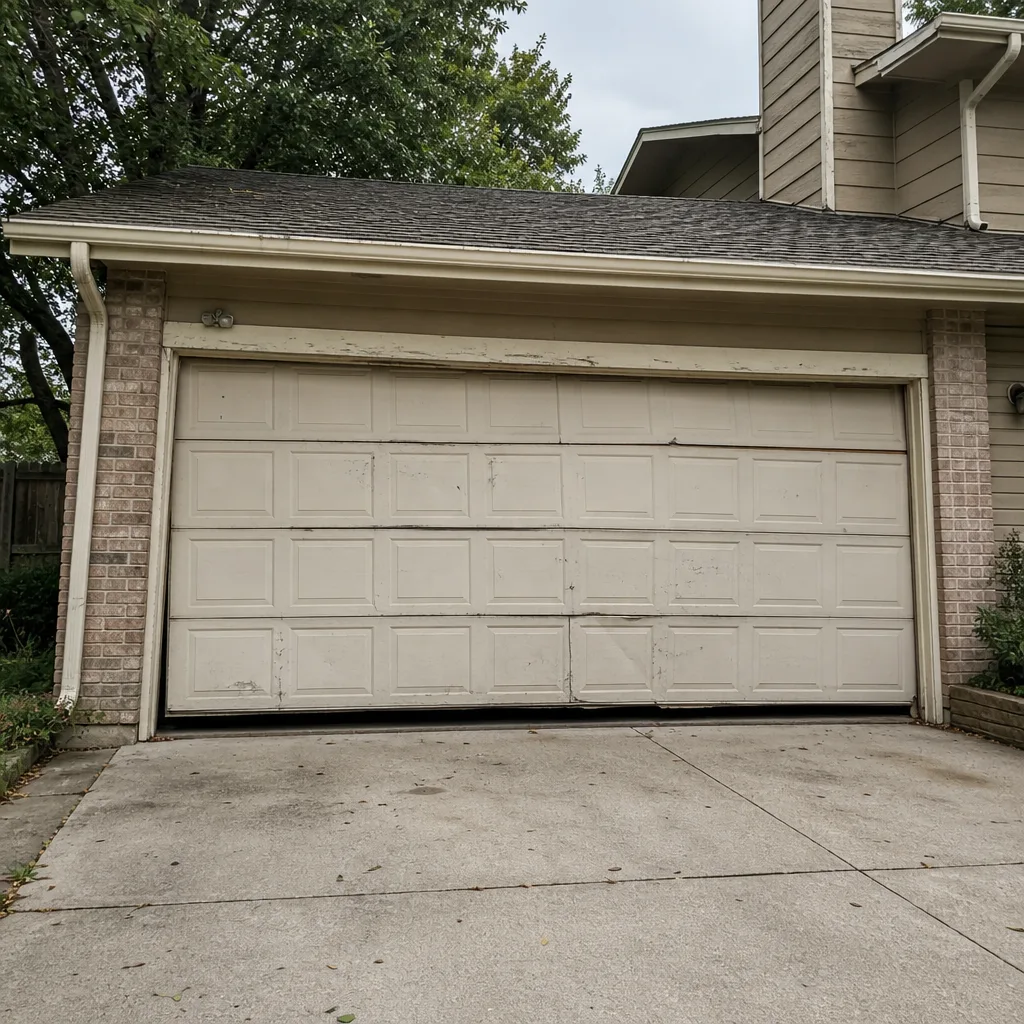 Before
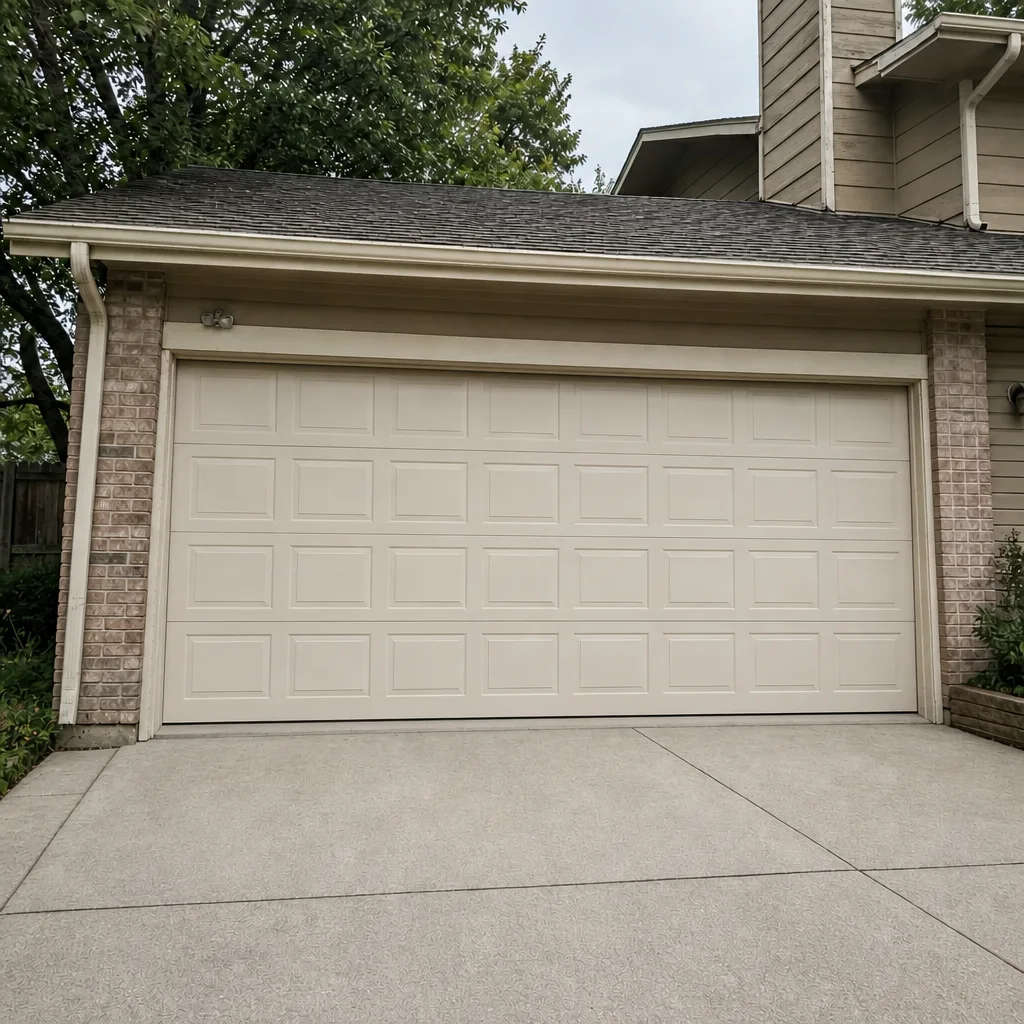 After
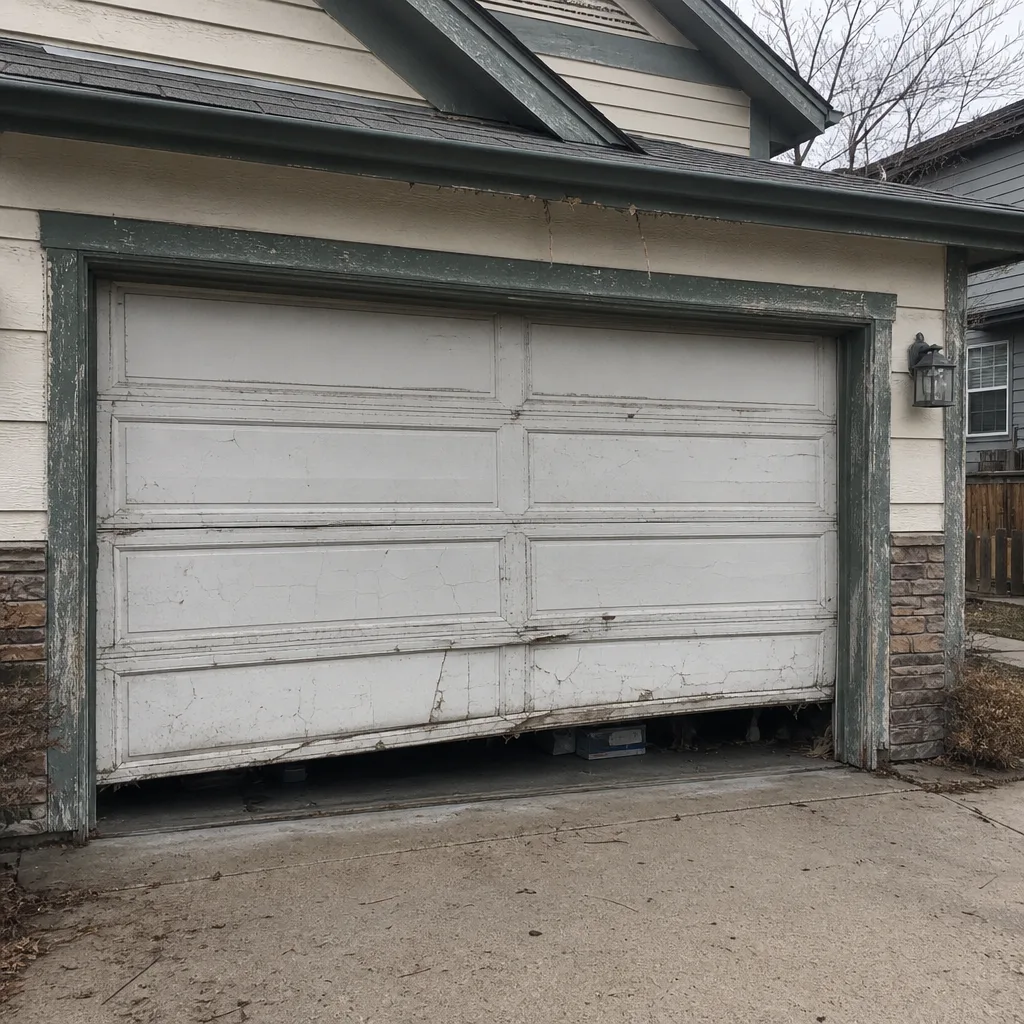 Before
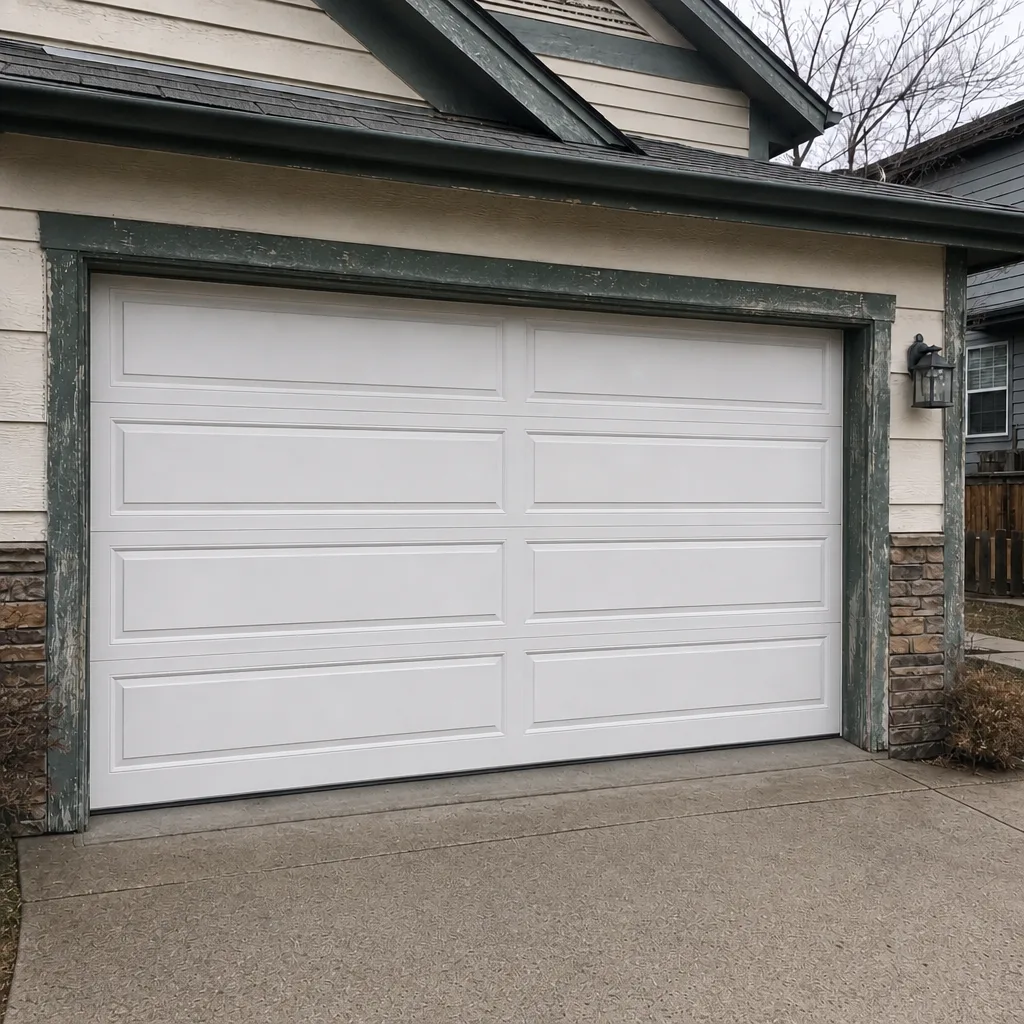 After
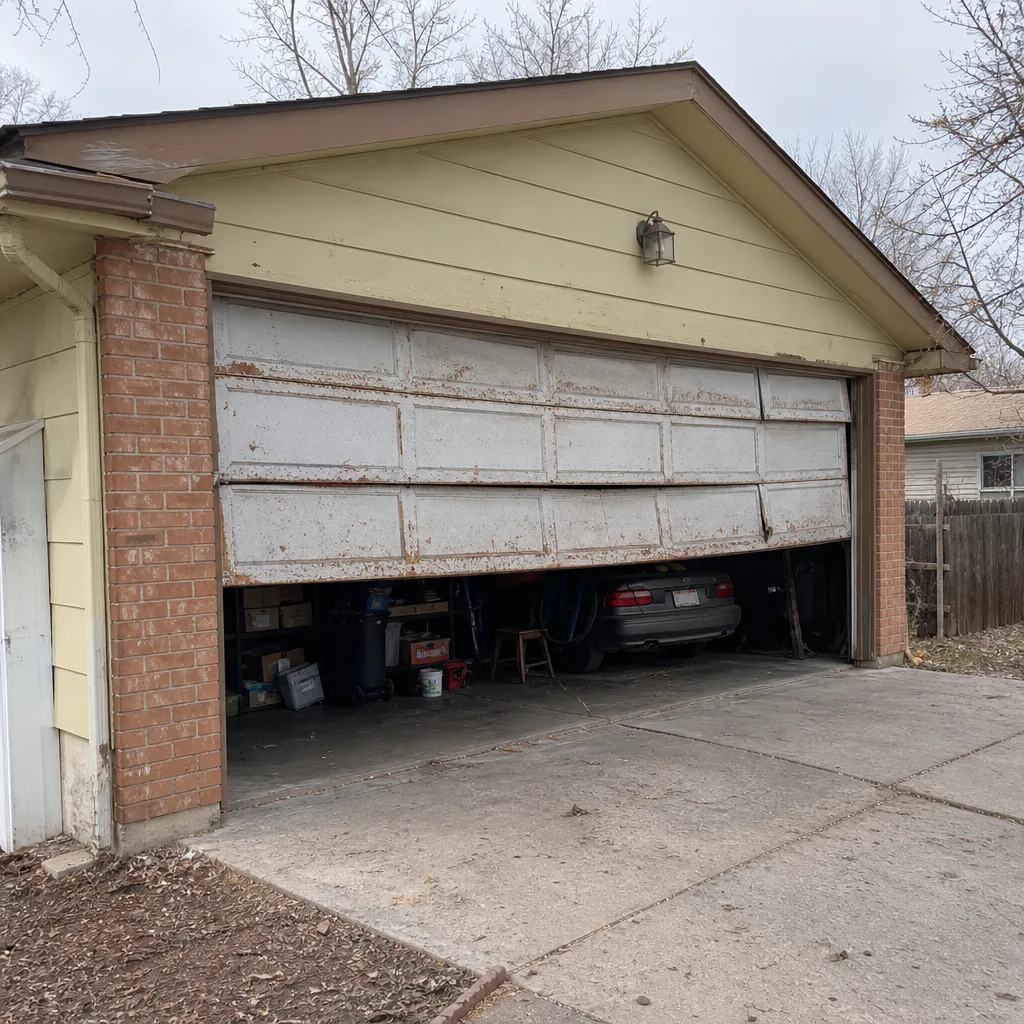 Before
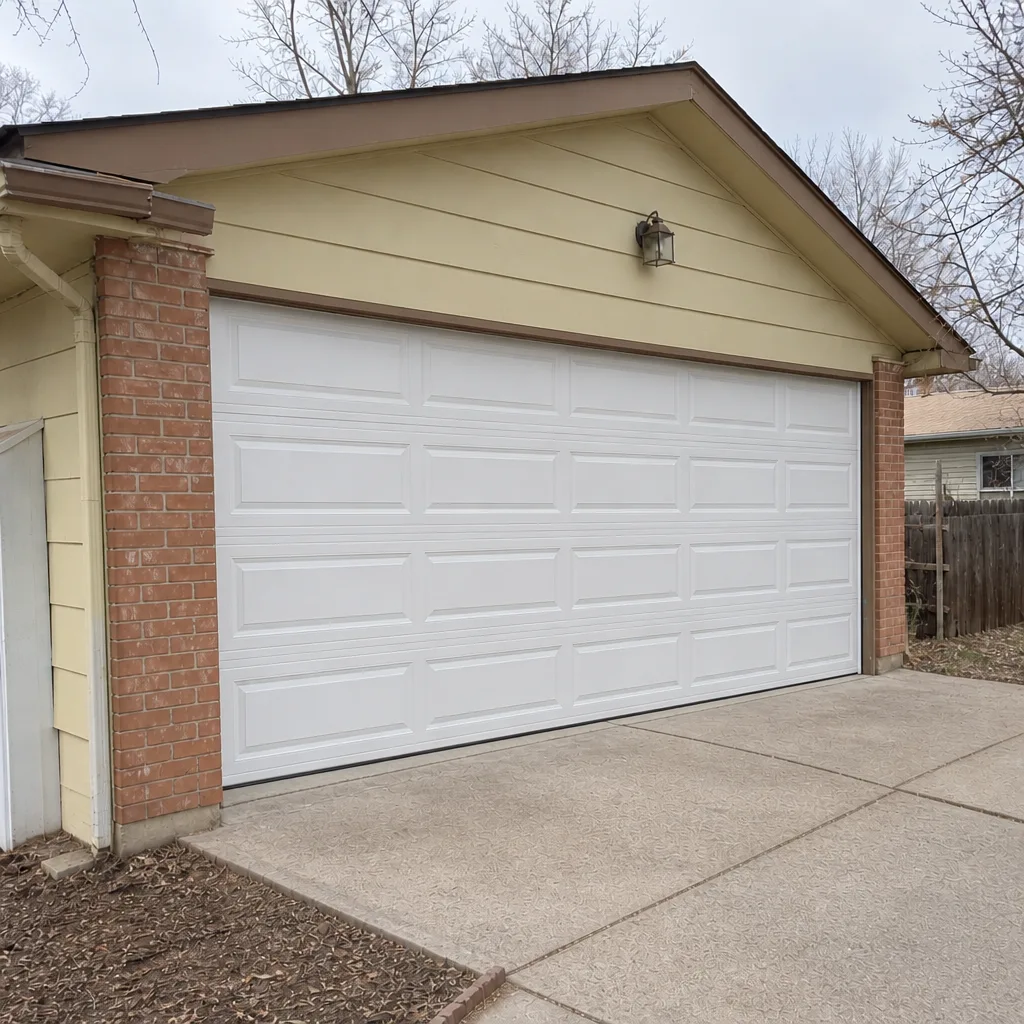 After
When to Call a Professional
Call for anything involving torsion or extension springs, lift cables, torsion tubes, bent tracks, or a door that’s clearly out of balance. Call if you hear a single loud snap from the door and it won’t lift. Call if the door reverses unpredictably, if the opener runs but the door doesn’t move, or if anything is hanging loose on the door or the opener rail. Call if a car has bumped the door, if the bottom panel has visible damage, or if a hail event has left the door looking intact but cycling wrong. Call if you don’t know the door’s weight or the brand of the springs – no amount of research will substitute for measuring the door. And call if the door is a security issue right now: it won’t close at night, or it’s stuck open after dark, and the garage is attached. Those are the calls that get same-day attention.
Boulder Garage Door Repair Co offers free estimates in Boulder – call (833) 508-9584. We answer 24/7. Fast dispatch from 7am to 7pm, Sunday through Friday. The price is agreed in writing before any work starts.
Frequently Asked Questions
No. Torsion and extension springs store enough energy to cause serious injury when they release, and the danger comes from the stored tension, not the difficulty of the steps. The winding, the tool handling, and the release moment all carry risk that no tutorial removes. Call (833) 508-9584 for a trained technician – estimates are free.
You can safely replace weatherstripping, lubricate hinges, rollers, and the opener rail, clean and align the photo-eye sensors, program remotes and keypads, wipe the tracks, and perform the balance test by hand. All of these are listed in the manual as owner-level tasks and don’t affect manufacturer coverage. Anything inside the counterbalance system – springs, cables, torsion tube, track structure – is not DIY territory.
It depends on the task. Cleaning, lubrication, seal replacement, and sensor alignment don’t affect coverage. Disassembling the spring system, third-party modification of opener wiring, or installing parts outside the brand’s spec can. Read the exclusions in your manufacturer paperwork before you start, and if you’re unsure, ask when you call for an estimate.
Springs are matched to the door’s weight and to the wind load the door was purchased for. Boulder’s downslope wind events put real load on a door, and a spring sized only to weight may underperform or fail early in a wind-exposed garage. Matching the spec, rather than just the size, is why we measure the door before quoting replacement.
You can, but it’s a gray-area job rather than true DIY. The tricky parts are the door-weight calibration, the safety reverse adjustment, and the rail alignment. A new opener installed against an unbalanced door will still fail early. If the current opener runs but the door doesn’t move easily by hand, the problem is balance, not the opener, and the door should be evaluated before replacing anything.
Pricing is per job and set by a written estimate. Typical work ranges from a small parts and labor charge for a seal or sensor call up to a spring, cable, or opener replacement, and the exact number depends on your door and the part needed. The written estimate sets the final price, and the estimate is free. Call (833) 508-9584 for a quote on your door.
The Bottom Line
The DIY vs professional question for a Boulder garage door comes down to three lines. Safe DIY is maintenance: seals, lubrication, sensors, programming, balance tests. Professional-only is anything holding stored energy: springs, cables, torsion tubes, structural track. And the choice in between hinges on brand, part specification, and warranty language, which is why even a confident homeowner should stop before winding a spring. Handle the chores yourself. Call for the rest. It saves money on one side of the line and avoids the injury, the damaged door, and the voided warranty on the other.
Boulder Garage Door Repair Co works on LiftMaster, Chamberlain, Genie, Clopay, Amarr, Wayne Dalton, Craftsman, and Raynor, and our technicians have up to 12 years of experience. Call (833) 508-9584 for a free estimate on your garage door. We answer 24/7. Fast dispatch from 7am to 7pm, Sunday through Friday. The written price is the price you pay.
Written by the team at Boulder Garage Door Repair Co.