
Last updated November 22, 2026
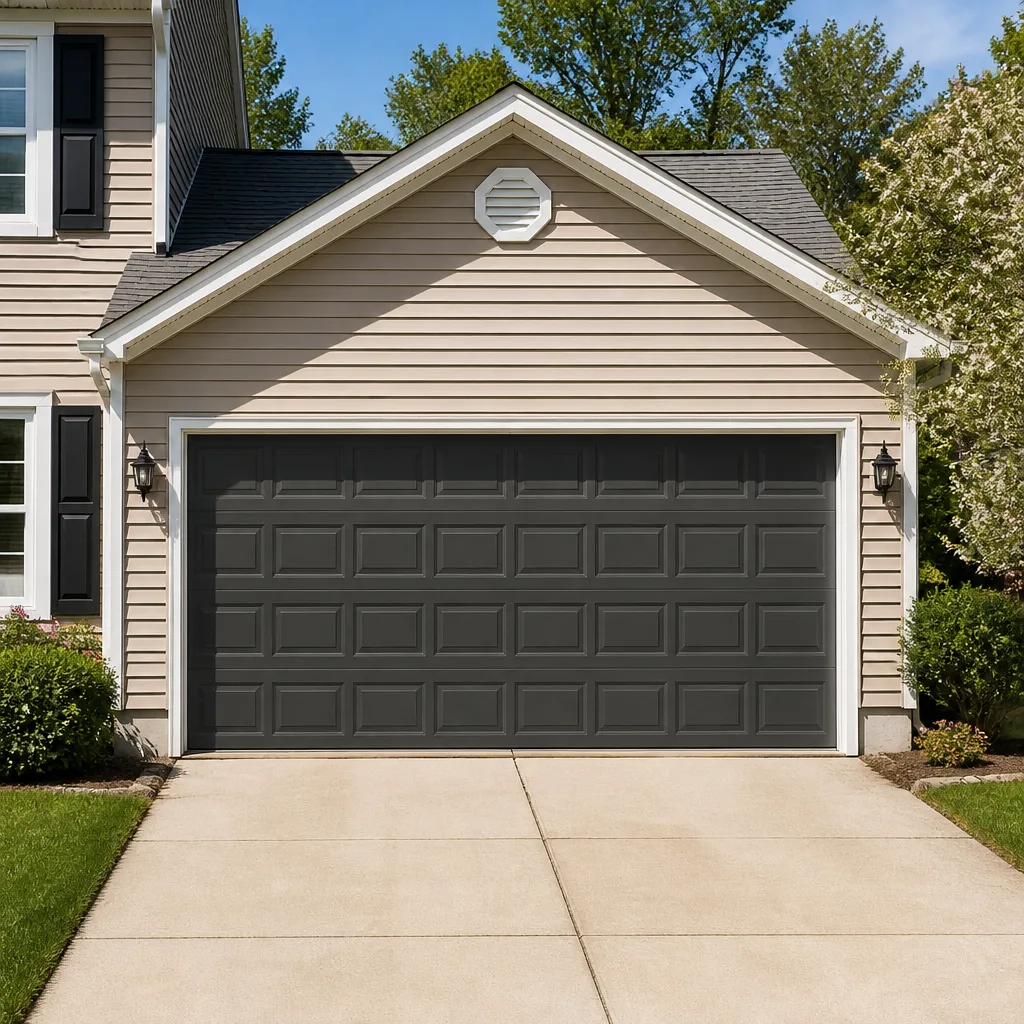 Raised-panel steel
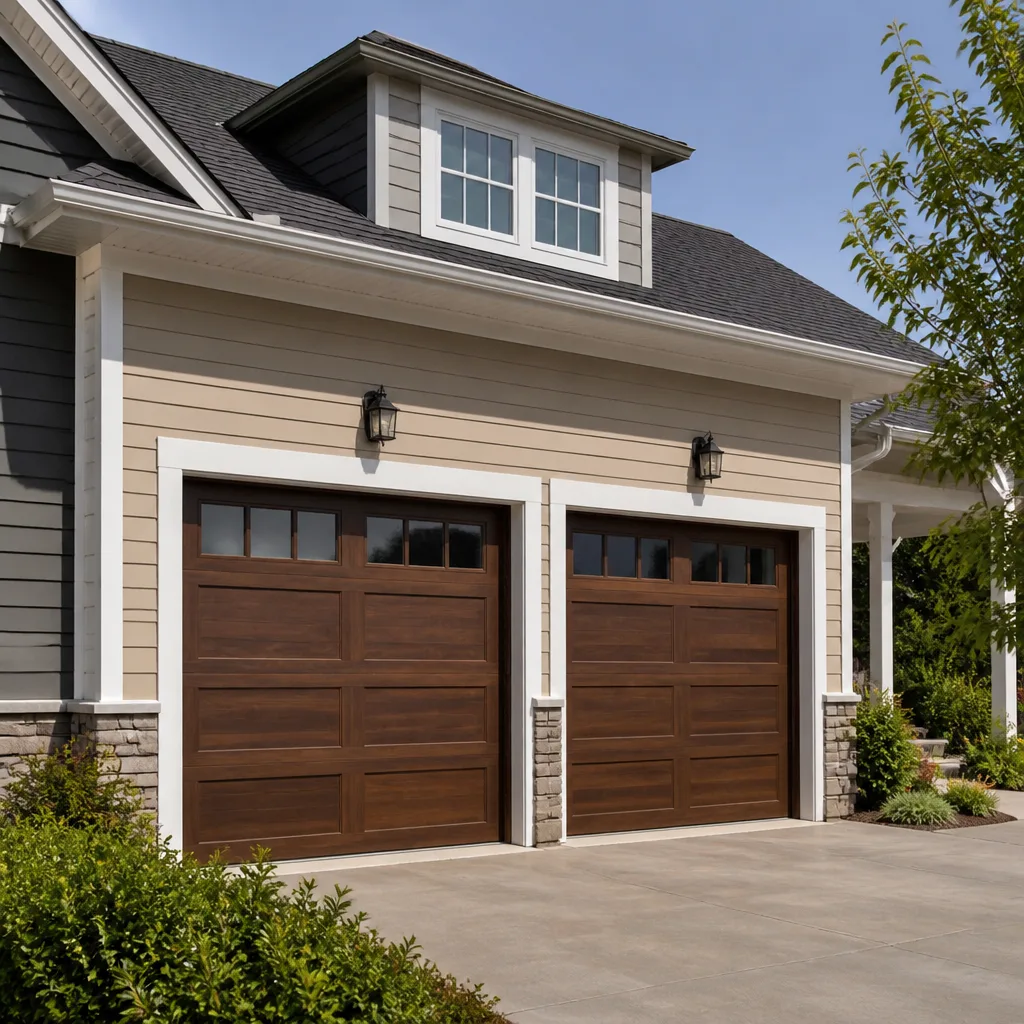
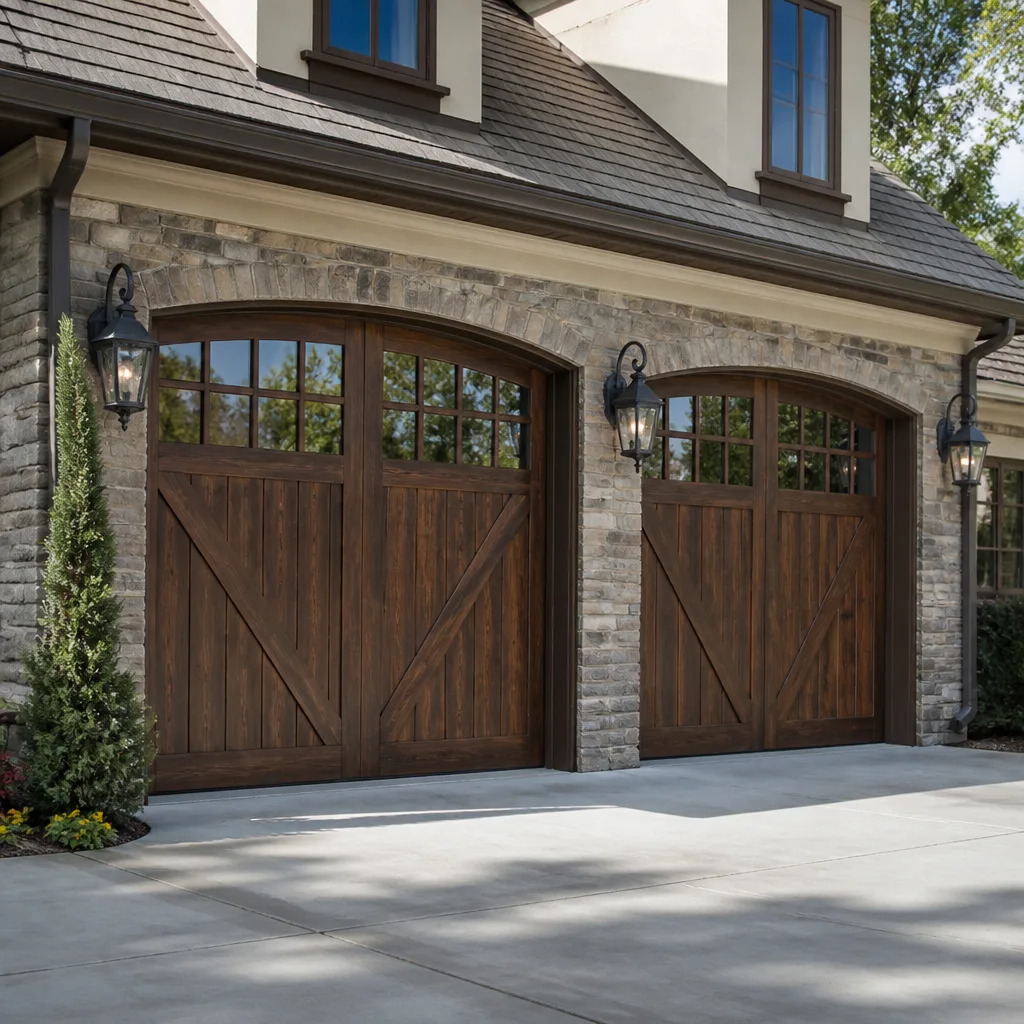 Carriage house
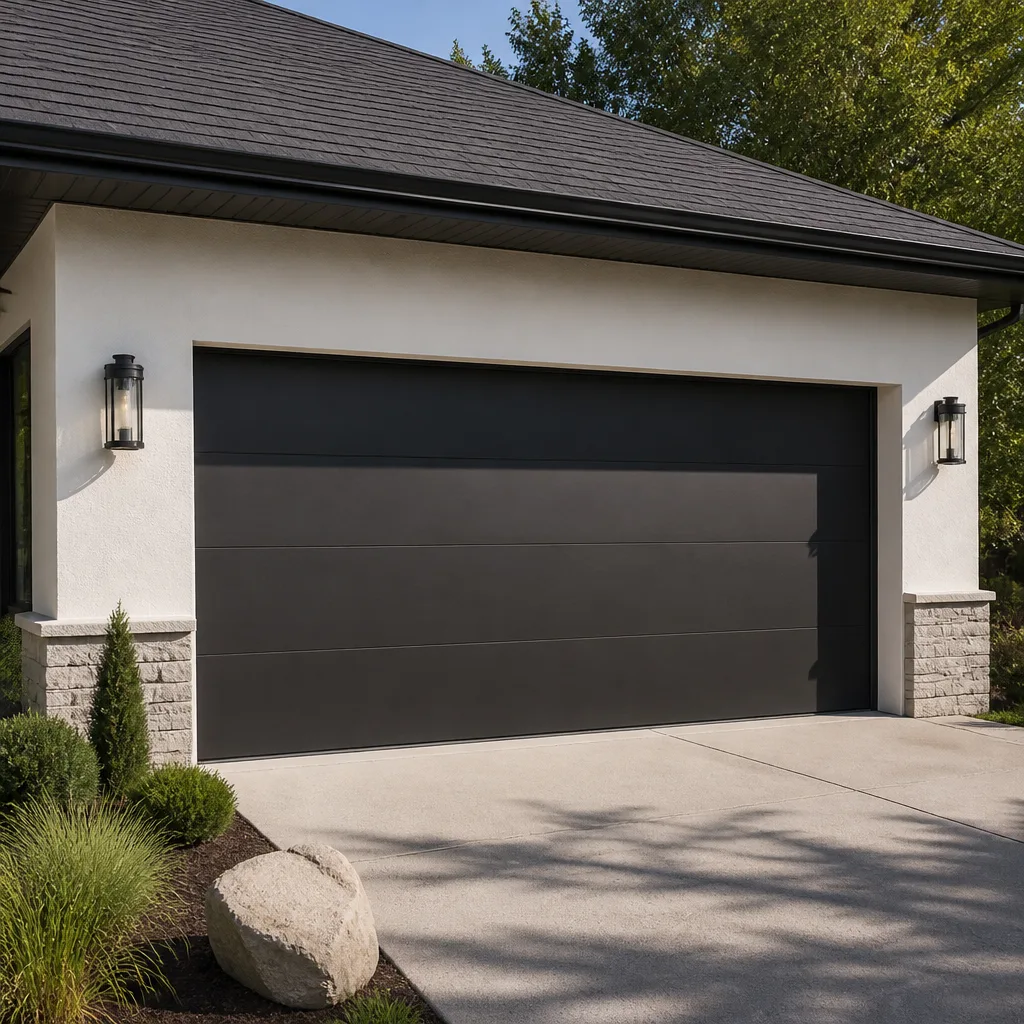 Modern flush
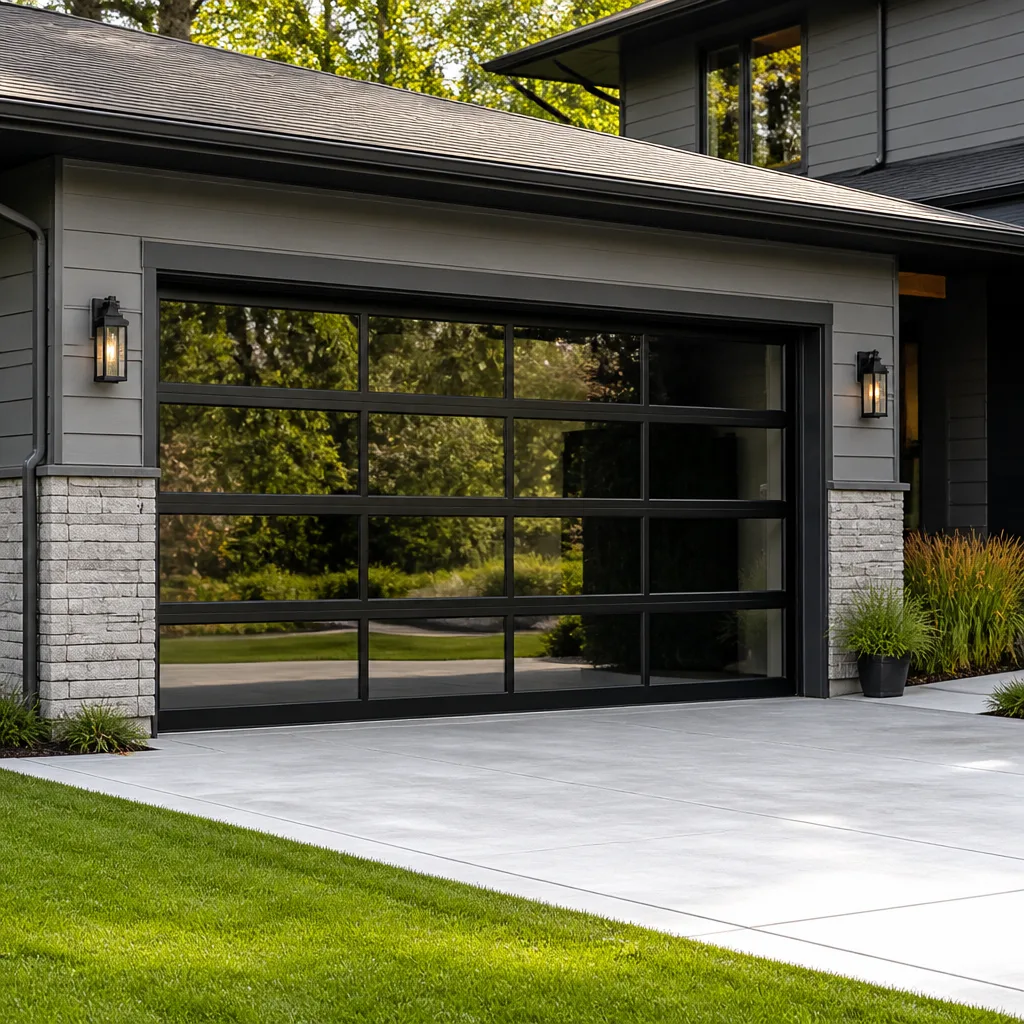 Full-view glass
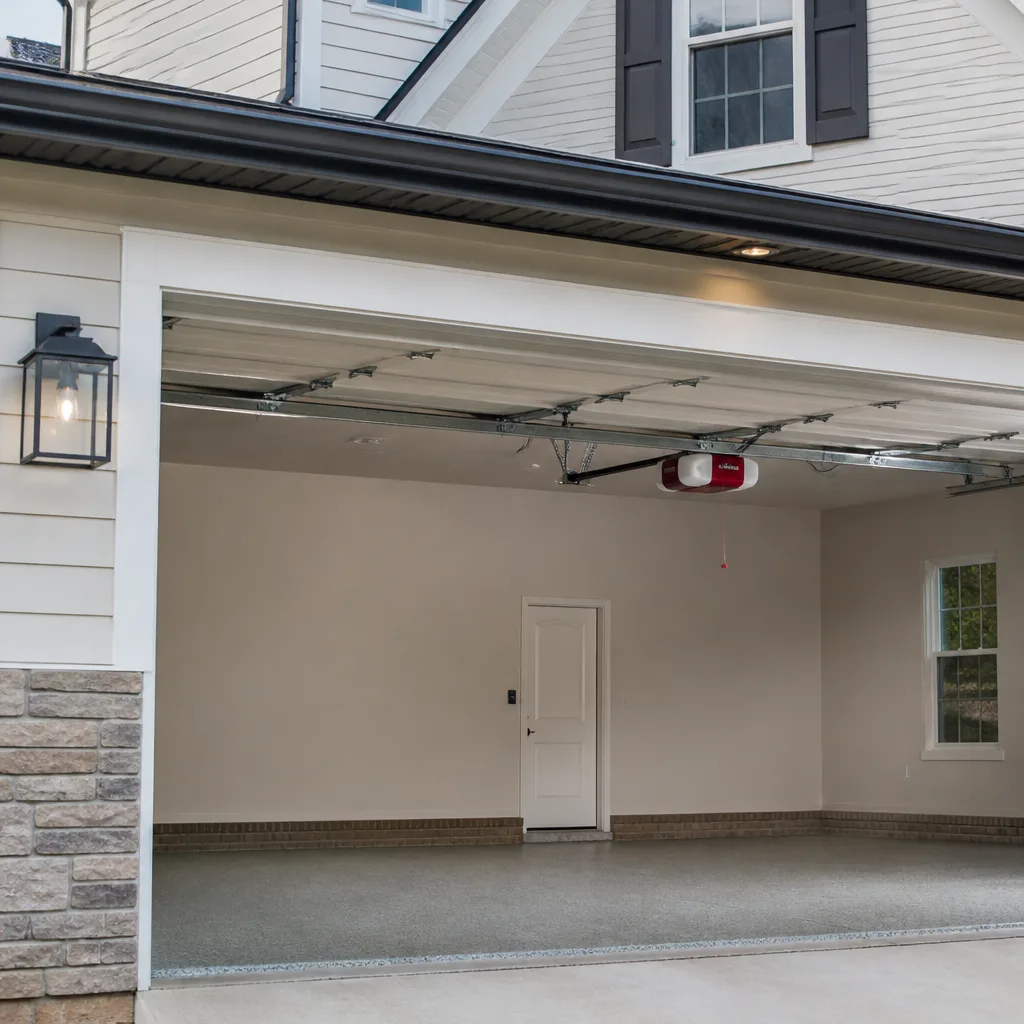 LiftMaster openers
 Chamberlain openers
Full 25-point door and opener safety check with every visit - springs, cables, rollers, tracks, and your LiftMaster or Chamberlain opener included
You get a price before we start. It does not change when the pro arrives.
Get your free estimateGarage Door Repair Maintenance Checklist for Boulder Homeowners
The most common mistake Boulder homeowners make during self-maintenance isn’t skipping a step. It’s lubricating the wrong parts. Spraying WD-40 on torsion spring bearings feels productive and actually shortens spring life. A generic ten-point list also treats a Chamberlain opener the same as a LiftMaster and a steel Clopay door the same as wood composite, when each needs different attention. This guide is organized by component and brand family so you know what to inspect, what to leave alone, and when a Boulder garage door needs a specialist instead of a Saturday project.
Quick Answer
A homeowner maintenance routine for a garage door in Boulder should cover five checks about twice a year: spring and cable condition, roller and hinge lubrication with the right product, track alignment, weatherstripping and bottom seal integrity, and opener force and safety-reversal testing. Springs, cables and opener adjustments belong to a trained technician, not a homeowner, because they store dangerous tension. Plan your full inspection around Boulder’s first hard freeze in late fall and again after the spring thaw, when freeze-thaw movement shows up as binding tracks and hardened seals.
Styles & brands we work with
- Raised-panel steel
- Carriage house
- Modern flush
- Full-view glass
- LiftMaster openers
- Chamberlain openers
Table of Contents
- Component-by-Component Breakdown: What Worn Actually Looks Like
- Springs and Cables: Inspect Only, Never Adjust
- Rollers, Hinges and the Right Lubricant for Each
- Tracks and Alignment: Reading Freeze-Thaw Movement
- Weatherstripping and the Boulder Temperature Swing
- Opener Checks by Brand Family
- Brand-Specific Maintenance: Clopay Steel, Wood Composite and More
- When to Run the Full Checklist in Boulder
- Do It Yourself vs. Call a Specialist
Component-by-Component Breakdown: What Worn Actually Looks Like
Worn doesn’t mean broken. Most garage door parts fail gradually, and the trick is recognizing the early signs instead of waiting for a snap. Here’s what each component tells you when it’s due for attention on a Boulder door.
Springs. Torsion springs above the door and extension springs along the sides both stretch or wind under load. Worn looks like a visible gap in a torsion coil, a stretched extension spring with a loose safety cable, or a door that suddenly feels twice as heavy. A spring that’s been painted over or shows rust at the coils is closer to failure than it looks.
Cables. Frayed strands at the drum, a cable that’s come off a roller, or slack on one side all point to wear. Cables carry the door’s full weight along with the springs, so any visible strand separation is a stop-and-call situation.
Rollers. Nylon rollers wear flat spots that make a door thump and shake. Steel rollers develop rough bearing surfaces and squeal. Check each roller by hand with the door closed and disengaged; a roller that wobbles in its stem or has a chipped edge is done.
Tracks. Vertical and horizontal tracks should be straight, parallel and firmly bolted. Worn looks like a dent, a gap at the seam, or a track that’s pulling away from the jamb or header.
Weatherstripping. The bottom seal and the perimeter stops should press evenly against the door. Worn looks like daylight under the door, a seal that’s flattened hard, cracks at the fold, or a jamb strip that peels away in cold weather.
Opener. A worn opener doesn’t necessarily fail; it gets louder, jerks at the start, or stops reversing when it should. We’ll cover specific tests in the opener section below.
Springs and Cables: Inspect Only, Never Adjust
This is the one section of the checklist where “inspect” means exactly that. Torsion and extension springs are under extreme stored tension, and the energy in a wound torsion spring can release instantly if a winding bar slips or a cable lets go. Adjusting them is not a homeowner task, and no spray or tool from a hardware store makes it safe.
What you can safely do:
- Look at the torsion spring above the door. A gap between the coils, a rusty coil surface, or a spring that looks unwound all point to a spring that’s near the end of its life.
- Check that extension springs along the horizontal tracks have their safety cables routed through the middle of the spring. If a cable is missing, kinked or has slipped off a bracket, that door needs a specialist before it’s used again.
- Listen. A single sharp bang from the garage, followed by a door that won’t lift, usually means a spring snapped. Don’t force the door up with the opener; the motor will over-stress and can strip the drive gear.
- Feel the door’s weight with the opener disengaged. A door that takes real effort to lift by hand is telling you the spring tension is off. That’s a professional adjustment, not a homeowner one.
For a door in this condition, garage door spring repair is a same-day fix with the right tools and the right spring sized to the door. Our technicians handle high-tension spring work as a core service, and we’ve seen what happens when a homeowner tries to take a winding bar to a loaded spring. Call us instead. Save your back and your fingers.
Rollers, Hinges and the Right Lubricant for Each
This is where a lot of Boulder garage door maintenance goes wrong. The instinct is to reach for WD-40 or a can of silicone spray and hit every moving part. But WD-40 is a solvent, not a lubricant, and it strips the existing grease off bearings rather than protecting them. It’s fine for loosening a rusted bolt. It is the wrong product for hinges, rollers or the opener rail.
What to use where:
- Rollers and hinges: a white lithium grease or a purpose-made garage door lubricant. These stay put through Boulder’s cold snaps. Silicone spray is a decent second choice but washes off faster.
- Torsion spring coils: a light spray of garage door lubricant, applied with the door closed and the spring at rest. Never use a heavy grease that traps grit.
- Opener rail and chain or belt: the lubricant specified by the manufacturer. LiftMaster and Chamberlain belt and chain rails typically want a very light coating, not a heavy one; a caked rail attracts dust and wears the drive faster.
- Ball bearings at the spring anchor plate: a few drops of light machine oil. This is the part WD-40 damages most often because it strips the factory grease.
Do a walk-around of the door tracks with the door closed, spraying each hinge at the pivot point, then a short pass on each roller stem. Wipe any excess with a rag. Too much is as bad as too little; grease collects grit and turns into an abrasive paste on a Boulder door that sees blowing dust.
Inspect every hinge while you’re there. A hinge with a bent leaf plate, elongated screw holes or visible play in the pivot needs replacing. Hinges are safe to swap yourself on most residential doors.
Tracks and Alignment: Reading Freeze-Thaw Movement
Boulder’s freeze-thaw cycles push on foundations and framing, and the door’s tracks ride on both. A track that was perfectly aligned in October can be a few millimeters off by March, which shows up as a door that binds, squeals or stops halfway up. Checking the tracks is a homeowner-safe job; adjusting a track that’s pulled out of the jamb is often not, because getting the vertical tracks out of plumb can send the door off its rollers.
What to check:
- With the door closed, sight down each vertical track from the floor up. It should look straight and parallel to the other side. A visible bow is a problem.
- Run your hand along the horizontal track’s inside edge (door down, opener off). Feel for kinks, dents or rough spots that would catch a roller.
- Look at the bolts holding the tracks to the jamb and header. Loose bolts need tightening, but if a bolt has pulled out of the wood, that’s a sign the framing has moved and a technician should look at it.
- Check the gap between the door panel and the track on both sides. A bigger gap on one side means the door is out of balance.
Alignment issues that come back every spring after the freeze-thaw are worth a professional look. A track that needs rebending or a jamb that needs re-anchoring is a one-time fix done with the right hardware, not a homeowner project with a rubber mallet. If the door is binding hard enough that the opener strains, that’s a garage door repair call and worth doing before the opener’s drive gear gives out.
Weatherstripping and the Boulder Temperature Swing
Boulder’s swing from warm afternoons to hard overnight freezes is the toughest test a bottom seal faces. Rubber that stays flexible at 70 degrees turns hard and brittle at 10. Hardened seals crack, flatten and stop sealing. A gap at the bottom of the garage door isn’t just a draft issue; it’s the main route for cold air, dust, insects and, in Boulder, the occasional small critter.
What “worn” looks like:
- Daylight visible under the closed door across more than a few inches.
- A bottom seal that’s flattened along the middle from years of compression.
- Cracks or splits at the fold where the seal curves.
- Perimeter weatherstripping (the strips on the door jambs) that has pulled away, cracked, or no longer meets the door face.
- Water pooling at the door threshold during rain or snowmelt, which suggests the seal or threshold itself has failed.
Replacing a bottom seal is a homeowner task on many residential doors. The seal slides out of a channel at the bottom of the door (or is held with screws), and the replacement is cut to length. Measure the door’s width and check whether the bottom panel uses a slide-in T-seal or a screw-on style before you order. On a Clopay steel door, the bottom weatherseal often slides out cleanly; on wood composite, the channel can be warped and the job is better done by a technician.
Perimeter strips vary more. Get the exact profile before buying; if the old strip has to be scraped off the jamb, that’s a job to schedule rather than squeeze into a Sunday afternoon.
Opener Checks by Brand Family
The opener is the safest part of the door to test yourself. It’s also the one where brand knowledge matters most, because a Genie opener and a LiftMaster don’t respond to the same adjustment. Here’s what to test on each.
Safety reversal test (do this on any brand). With the door open about four feet, place a 2×4 flat on the floor in the door’s path. Press the close button. The door should reverse within about two inches of contact. If it doesn’t, the force setting or the safety sensor is off, and the door needs adjustment before it’s used.
Photo-eye test. Wave an object between the two safety sensors at the bottom of the tracks while the door is closing. The door should reverse immediately. A steady sensor LED usually means it’s aligned; a flickering LED means it’s out of alignment, dirty, or the sun is hitting the sensor. Check for cobwebs and dust first.
Force setting. Every opener has a force setting that tells the motor how hard to push. If the door feels stiff (usually a spring or track issue), the opener compensates by pushing harder, and that’s a safety problem. Always fix the door’s mechanical issue first, then reset the force. Don’t turn up the force to overcome a binding door.
Brand notes. LiftMaster and Chamberlain openers share a lot of the same design; their limit and force adjustments are in similar spots, and both are usually set from the control panel or the motor head. Genie openers often use a different adjustment scheme on the screw drive or chain, and older Genie models rely on a travel limit set on the head unit itself. Craftsman openers are made by Chamberlain, so the adjustment logic is the same. If you’re not sure which family your opener belongs to, the model plate on the motor head spells it out.
More than once, a homeowner who called for “a broken opener” actually had a door problem. The motor was straining to lift a binding door and the logic board was shutting it down. That’s why garage door opener repair starts with a look at the whole door, not just the motor.
Brand-Specific Maintenance: Clopay Steel, Wood Composite and More
A steel door and a wood composite door don’t need the same routine. Treat them the same and you’ll either over-lubricate the steel or under-protect the wood. Here’s how the most common residential doors in Boulder actually differ.
Clopay steel doors. Steel is the easiest to maintain. Wipe down the panels once a year to remove grime, and touch up any nicks in the paint with matching paint before rust sets in. Steel doors don’t need wax or sealer. Their main vulnerability is dents and rust at the bottom edges where snow sits. Lubricate the hinges and rollers as usual, but skip the silicone spray on the panel faces; just soap and water. The rollers on most Clopay residential doors are nylon and last for years if kept clean.
Wood composite doors. Wood composite panels need protection from moisture. Reapply a good exterior-grade sealer or stain every one to two years depending on sun exposure. Boulder’s high-altitude UV fades stain quickly, so check the south-facing side first. Knots and edges absorb moisture and are the first place to show wear. Don’t apply petroleum-based lubricants to wood; use a wood-friendly protectant at the bottom channel to keep moisture out.
Wayne Dalton and Amarr doors. These are often steel or a steel-insulated sandwich. Same steel routine applies. Wayne Dalton doors that use a TorqueMaster torsion spring system need a specialist to service the spring; the housing changes how you inspect.
LiftMaster and Chamberlain openers. Both are tuned the same way, and their belt and chain drives want very light lubrication, not grease.
Genie openers. Screw-drive Genie openers want a specific screw-drive lubricant on the shaft, not a general-purpose grease.
We work on your brand, and we’ve been trained on these specific families. Knowing which door and which opener you’re dealing with means we bring the right parts the first time instead of a second appointment.
When to Run the Full Checklist in Boulder
Two timings matter in Boulder: before the first hard freeze and after the spring thaw. The late-fall inspection catches the problems you don’t want on a cold January morning. The spring inspection catches the damage the freeze-thaw cycles caused.
Late fall (before the first hard freeze). This is the most important run of the year. Cold weather hardens seals, shrinks wood, stiffens grease and makes a failing spring snap. Run the full checklist now:
- Inspect springs and cables for wear or rust.
- Lubricate hinges, rollers and spring coils with the correct product.
- Test the safety reversal and photo-eye on the opener.
- Check the bottom seal for cracks or daylight gaps; replace if needed.
- Look at the tracks for alignment problems and tight bolts.
- Clear snow and ice from the door’s base and threshold so it can close cleanly.
Early spring (after the thaw). Freeze-thaw cycles move foundations and loosen jambs, so re-check track alignment, door balance, and hinge bolts. This is also the time to reapply wood composite sealing if the winter sun has faded it.
Mid-summer. A quick mid-year pass: lubricate hinges once more, listen for new sounds, and check the opener’s sensors for dust.
The Mountain West climate makes this routine easy to remember: fall, spring, and a light check in the middle of summer. If the door starts acting different between checks, don’t wait. A door that bangs, jerks or won’t close all the way is telling you something.
Do It Yourself vs. Call a Specialist
Every checklist item falls into one of three buckets: safe for a homeowner, safe with some care, or professional only. Getting this split wrong is how homeowners void warranties or get hurt. Here’s the split.
Safe to do yourself:
- Lubricating rollers, hinges and spring coils with the right product.
- Testing the safety reversal and photo-eye functions.
- Replacing a slide-in bottom seal.
- Tightening loose track and hinge bolts.
- Cleaning steel door panels and touching up paint.
- Replacing individual hinges.
Safe with care, but stop if it’s difficult:
- Replacing worn nylon rollers (door closed, opener off, one at a time).
- Replacing perimeter weatherstripping if the old strip comes off cleanly.
- Resetting the opener’s force setting (only after the door’s mechanical issue is fixed).
- Adjusting the opener’s travel limits.
Professional only:
- Any spring adjustment, replacement or repair.
- Cable replacement or re-seating on the drum.
- Track repair or realignment where a track has pulled out of the jamb.
- Opener logic board, gear or motor replacement.
- Panel replacement on a door with a damaged section.
- Anything that requires releasing spring tension, which includes most “my door won’t lift” calls.
If a repair means releasing spring tension, the answer is always a professional. Our technicians have up to 12 years of experience and treat spring work as a routine service, not a specialty. That’s the piece a generalist can’t match.
Common Mistakes to Avoid
- Spraying WD-40 on spring bearings and hinges. It’s a solvent that strips protective grease rather than protecting the part, and it shortens spring life. Use a dedicated garage door lubricant or white lithium grease instead.
- Turning up the opener’s force to overcome a stiff door. The motor will push past a mechanical problem and burn itself out, or worse, close on an object with more force than the safety system expects. Fix the door first, then reset the force.
- Ignoring a gap in the torsion spring. A spring with a visible gap in the coils is on its way out. Waiting for it to snap on a cold Boulder morning usually means the door comes down hard. Call before that happens.
- Using heavy grease on a wood composite door’s hardware. Heavy grease traps grit and stains the wood, and on a sun-exposed door in Boulder the grease turns gummy fast. Use the lubricant the manufacturer specifies.
- Replacing a bottom seal with the wrong profile. A T-seal won’t fit a channel made for a screw-on seal, and vice versa. Measure the channel type before ordering or the door won’t close flush against the threshold.
- Adjusting torsion springs without the right tool and training. A winding bar slip or a released spring can break a wrist or worse. Springs are the one item where the checklist ends at “inspect” for a reason.
- Skipping the fall inspection because the door “still works.” A door that’s working in October is the perfect time to catch a worn spring, a cracked seal and a binding track. That door in January is an emergency call.
See the difference
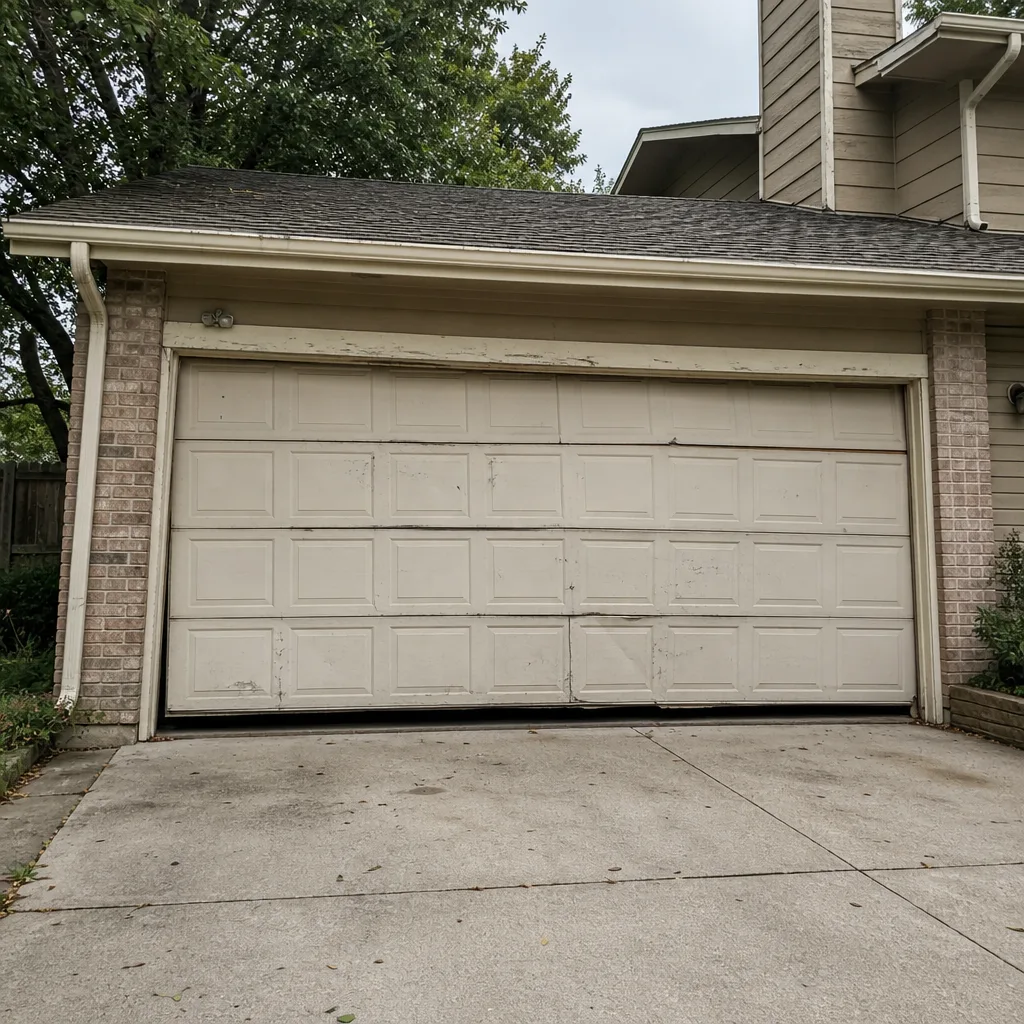 Before
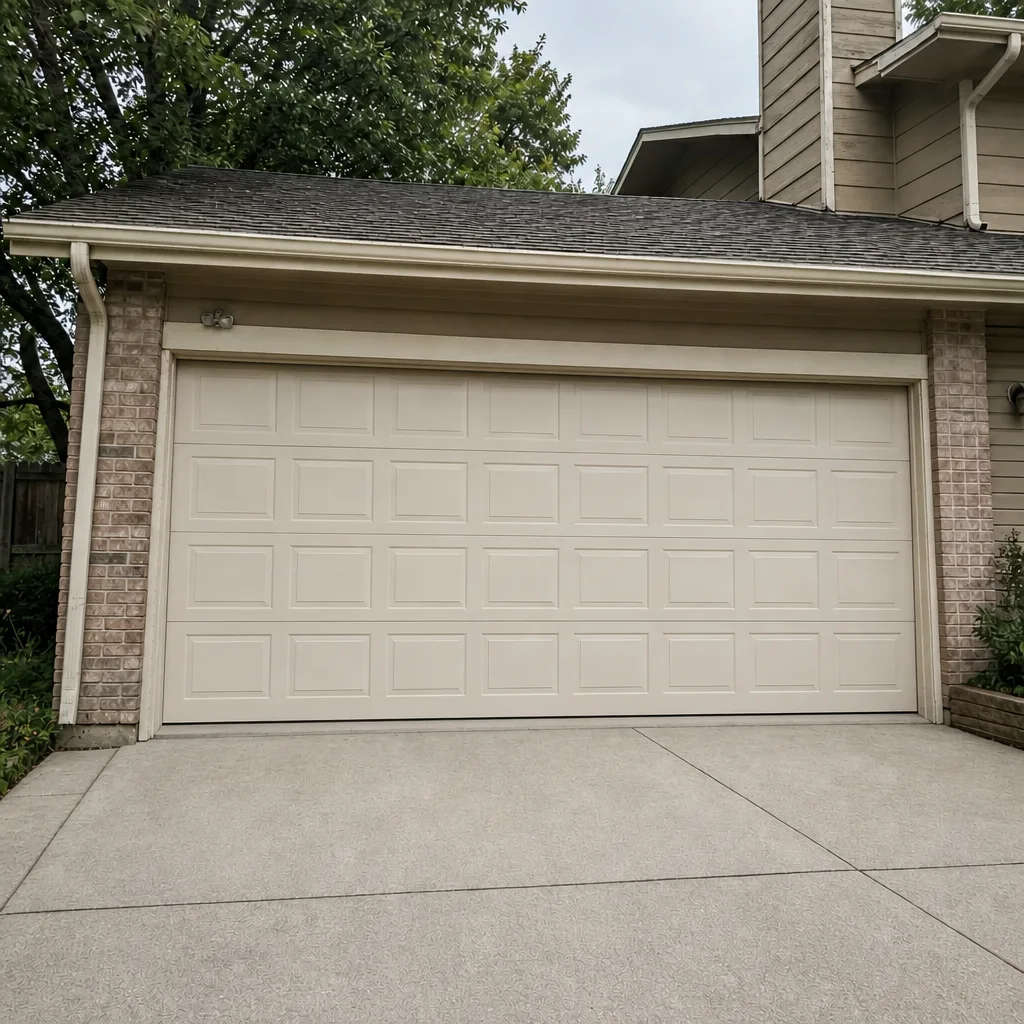 After
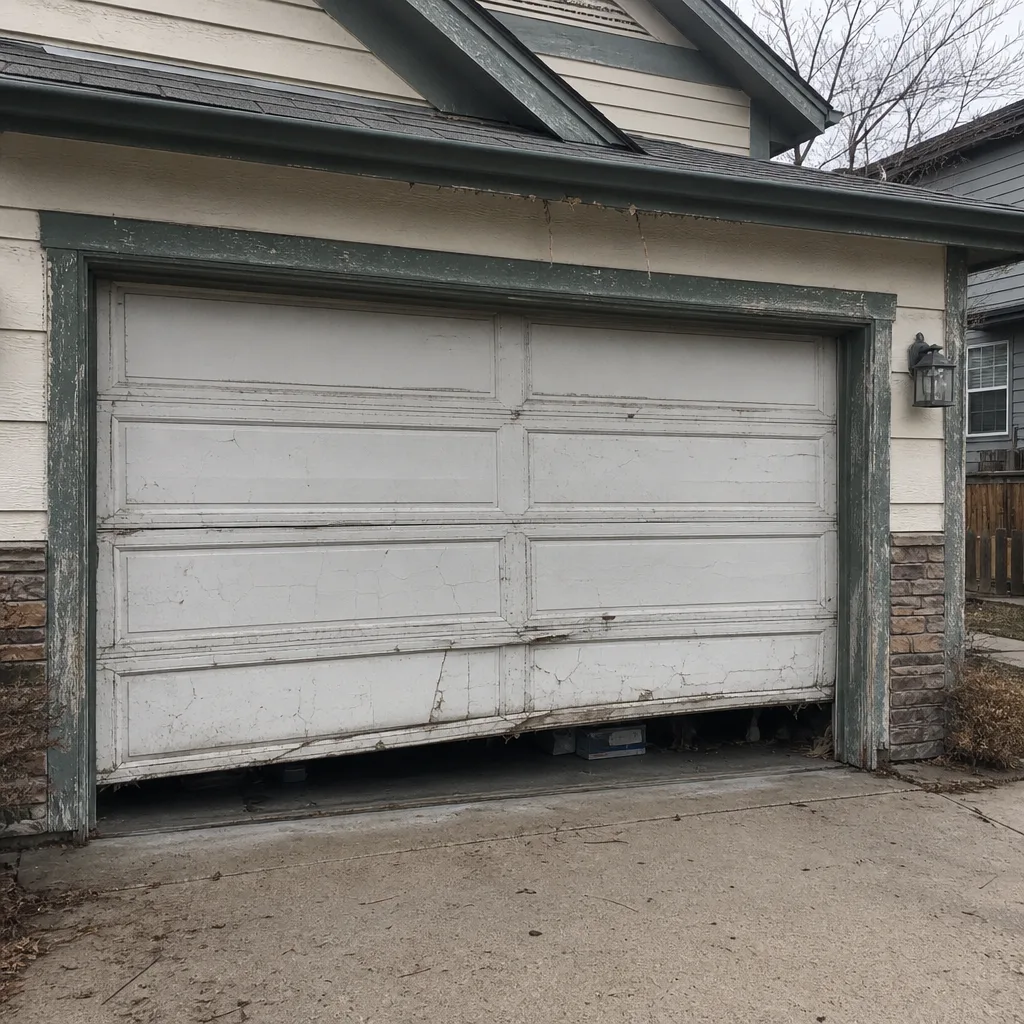 Before
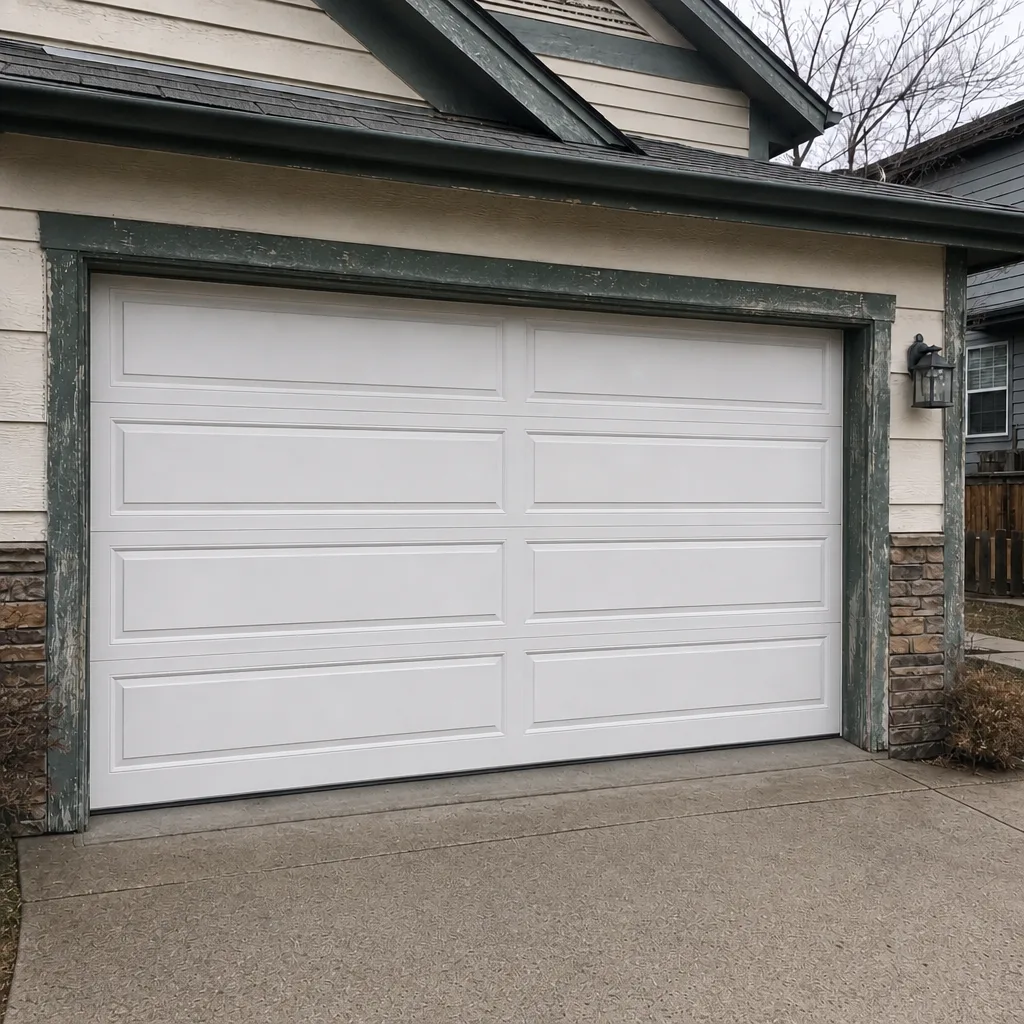 After
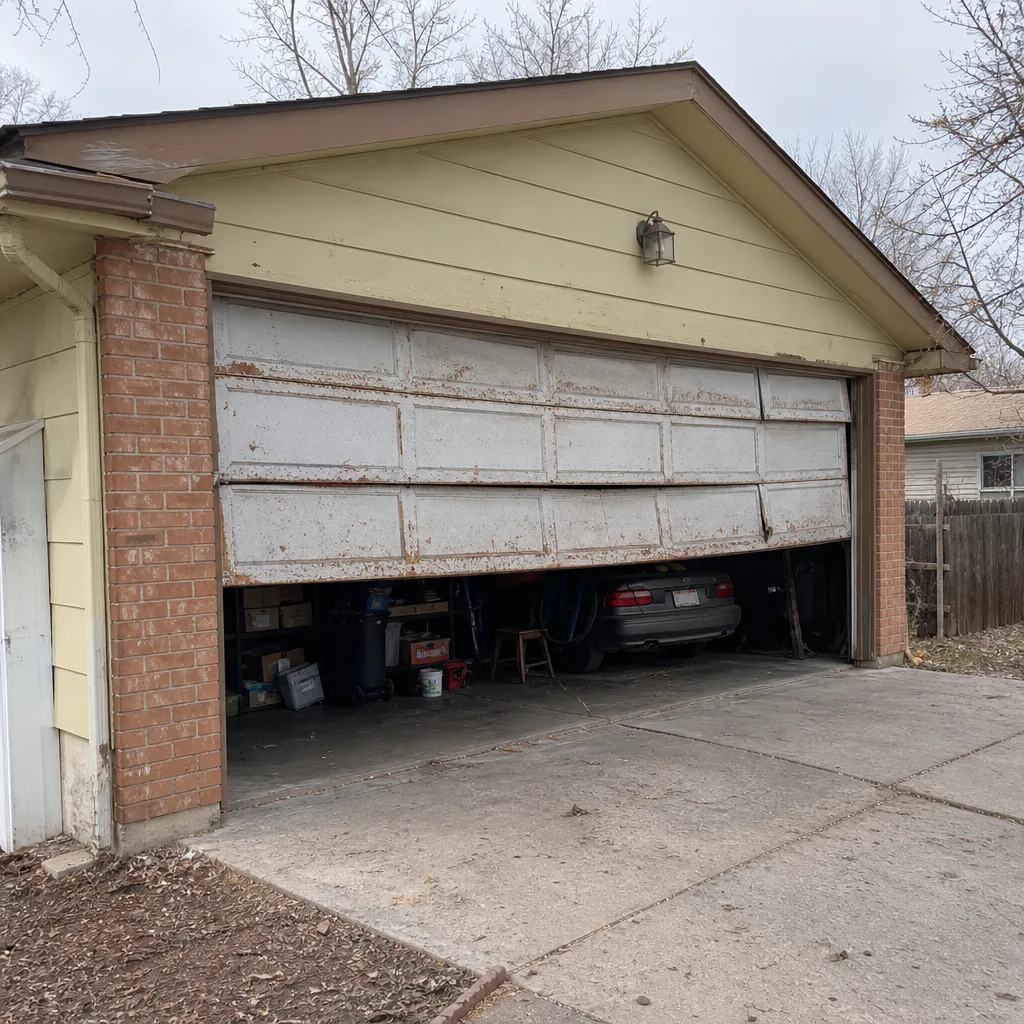 Before
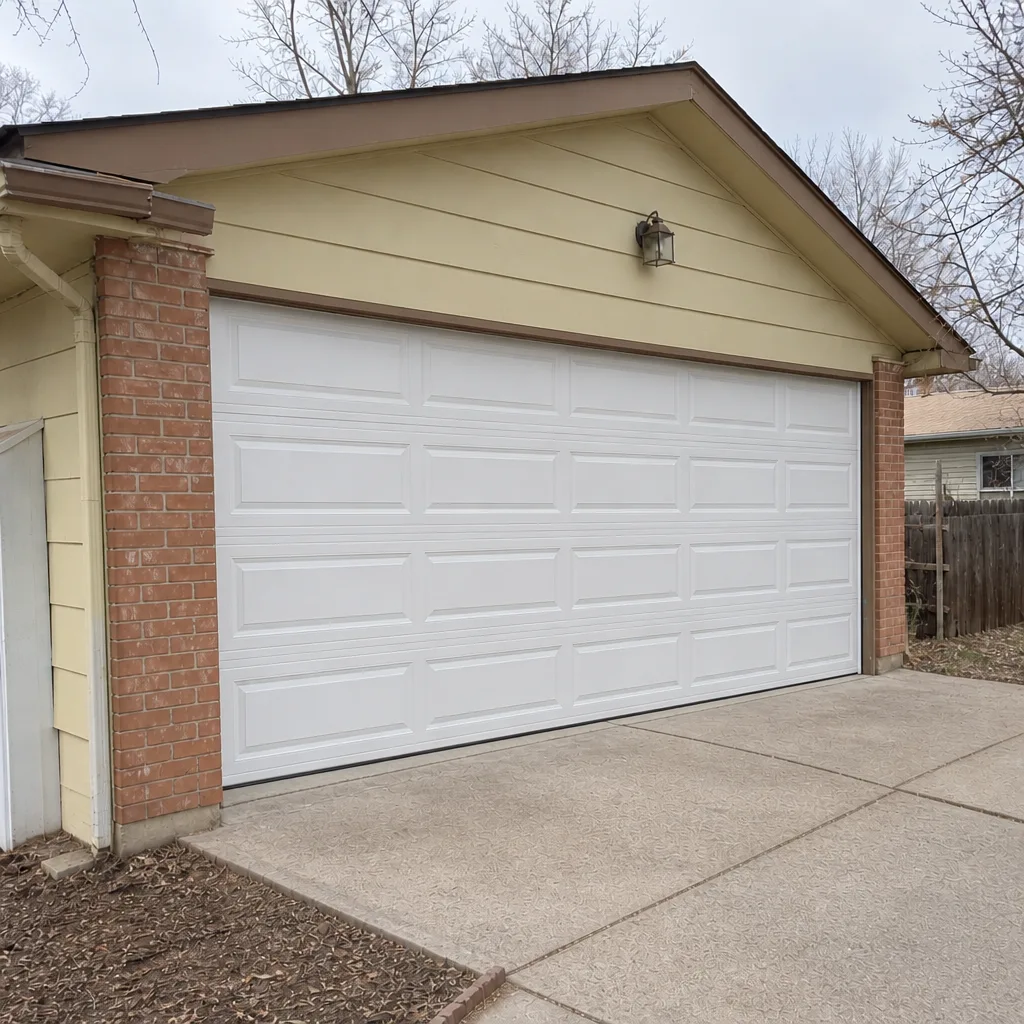 After
When to Call a Professional
Call us when the checklist turns up something on the professional-only list, or when a door that was fine last month suddenly isn’t. A snapped spring, a frayed cable, a track that’s come off the jamb, an opener that won’t reverse, a door that’s clearly out of balance, or any door that feels twice as heavy as it should. These are the calls where an experienced technician saves you a bigger repair, and in the spring and cable cases, a real risk of injury. Boulder Garage Door Repair Co offers free estimates in Boulder, and we can confirm what’s wrong and what it costs before anything gets started. Call (833) 508-9584. We answer 24/7. Fast dispatch from 7am to 7pm, Sunday through Friday. Same-day emergency service is available when a stuck or broken door leaves your home open or your car trapped.
Frequently Asked Questions
Twice a year is the right rhythm for a Boulder door: once in late fall before the first hard freeze and once in early spring after the thaw. Add a light mid-summer check for lubrication and sensor dust. The fall inspection matters most because cold weather is when a worn spring tends to fail. If your door sees heavy daily use or faces full afternoon sun, run the checks and watch the south-facing side more closely. Call (833) 508-9584 if anything on the checklist is beyond the homeowner-safe list; estimates are free.
Yes, a light spray of garage door lubricant on the torsion spring coils with the door closed is a homeowner-safe task. What you can’t do is adjust, wind or replace them. The spring stores enough tension that a slip is dangerous. Stick to the spray, inspect the coils for gaps and rust, and call a specialist for anything that requires releasing tension. Call (833) 508-9584 if the spring looks worn or the door feels heavy; we handle spring work as a routine service.
A purpose-made garage door lubricant or white lithium grease for hinges and rollers, and light machine oil for the spring anchor bearings. Skip WD-40 (a solvent, not a lubricant) and skip heavy axle grease, which traps grit. For belt and chain opener rails, use only what the manufacturer specifies; a LiftMaster or Chamberlain rail wants a very light coating. If you’re unsure what a specific part needs, call us at (833) 508-9584 and we’ll tell you the right product before you buy the wrong one.
Cold weather stiffens grease, hardens seals and shrinks wood, and it makes a near-failing spring more likely to snap. Boulder’s overnight freezes after warm days are the toughest combination. A door that binds or struggles on a cold morning is telling you the spring, tracks or seal need attention. Don’t compensate by turning up the opener’s force. Fix the mechanical issue first. Call (833) 508-9584; we can look at the door before it fails on a below-zero morning.
Homeowner maintenance that follows the manufacturer’s guidance, using the correct lubricants and staying off the spring and cable adjustments, won’t void a warranty. What can void it is forcing a binding door with the opener, using the wrong lubricant that damages bearings, or a failed DIY spring repair. Keep records of what you did and when. A professional checkup on springs, cables and the opener is the safest way to protect the warranty. Call (833) 508-9584 for a free estimate.
Yes, same-day emergency service is available for doors that are stuck open, stuck closed, or unsafe after a spring or cable failure. We answer 24/7, and fast dispatch runs from 7am to 7pm, Sunday through Friday. A call outside dispatch hours is booked into the next opening. If the door is stuck open and your home is exposed, treat it as urgent and call right away. Call (833) 508-9584. We’ll confirm what’s wrong and quote the price before any work begins.
The Bottom Line
A garage door maintenance checklist works when it’s organized by component and by brand, not by a generic list. Inspect springs and cables for wear, lubricate hinges and rollers with the right product, check tracks and seals after every freeze-thaw cycle, and test the opener’s safety reversal twice a year. In Boulder, the fall and spring inspections are the two dates that matter. Leave spring and cable work to a specialist; our technicians have up to 12 years of experience with the brands on your door, from Clopay steel to a LiftMaster opener. If a check turns up something, call us before it becomes an emergency.
Contact Us
If your checklist turned up a worn spring, a binding track, an opener that won’t reverse or a door that’s simply due for a professional look, get a free estimate from Boulder Garage Door Repair Co. We work on the brands on your door, and the price is confirmed before any work begins. Call (833) 508-9584. We answer 24/7. Fast dispatch from 7am to 7pm, Sunday through Friday. You can also start at Boulder Garage Door Repair Co to see the full range of repair, spring, opener and installation services.
Written by the team at Boulder Garage Door Repair Co.