
Last updated November 22, 2026
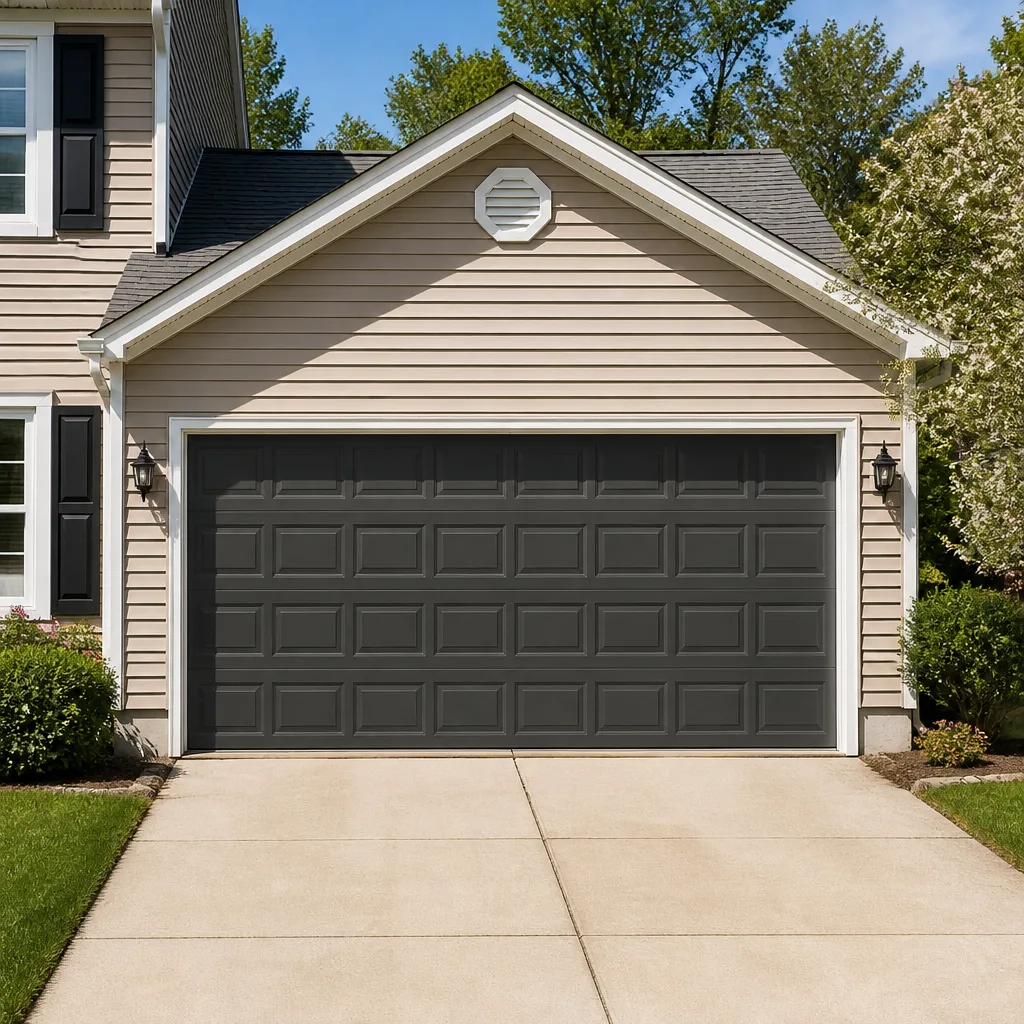 Raised-panel steel
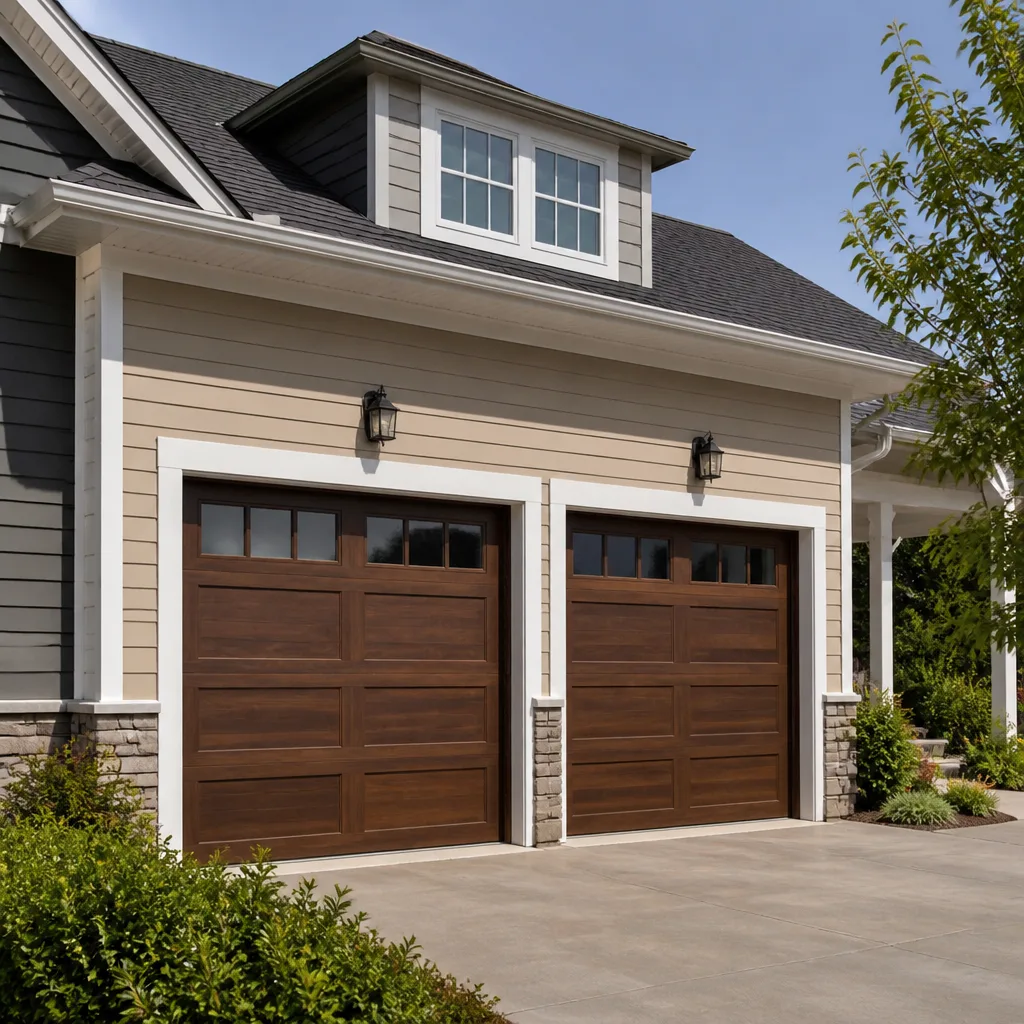
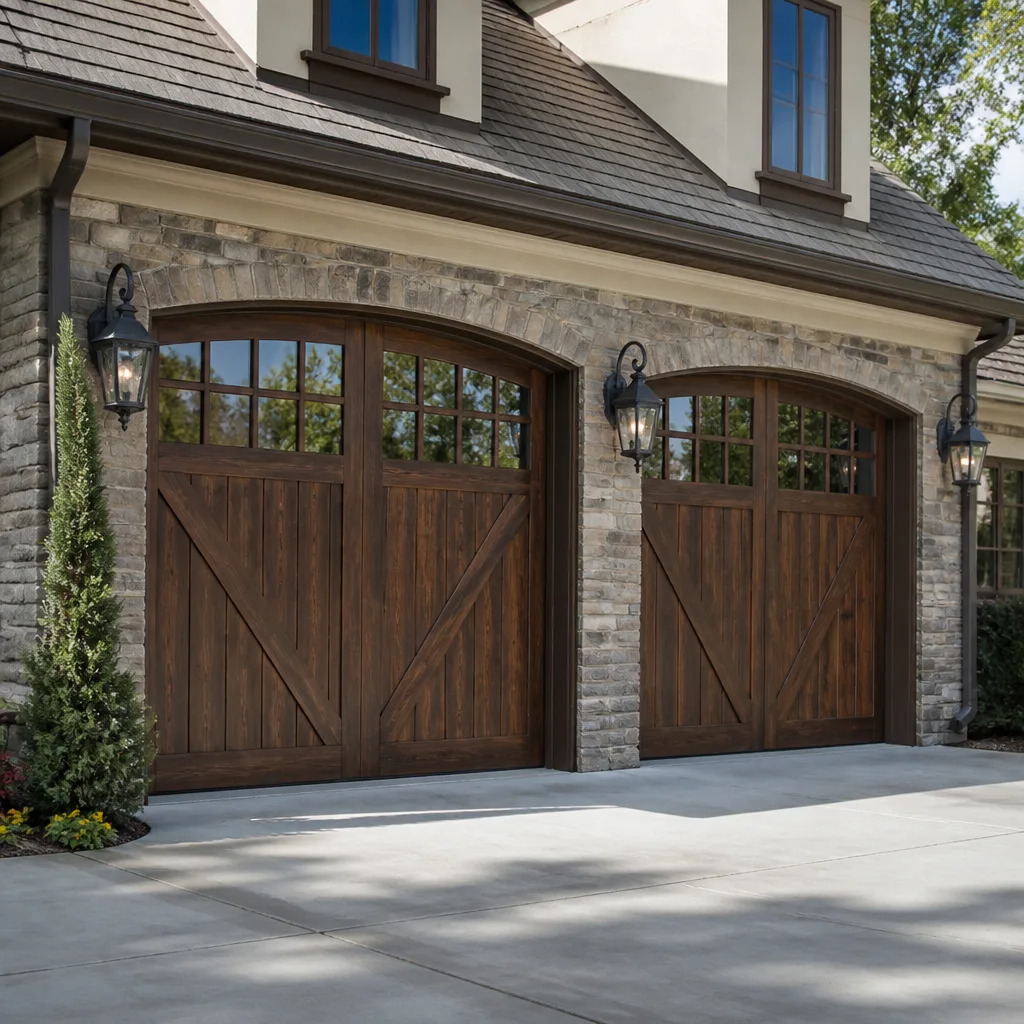 Carriage house
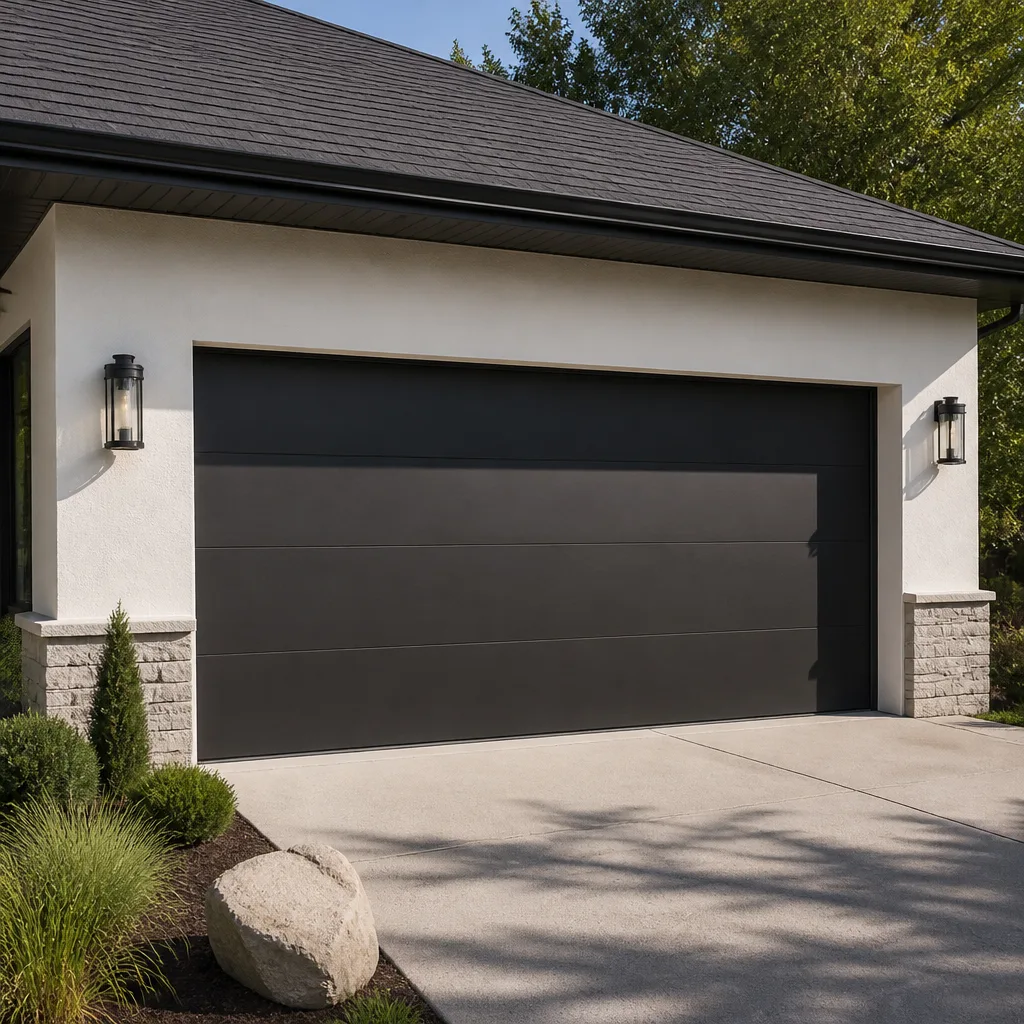 Modern flush
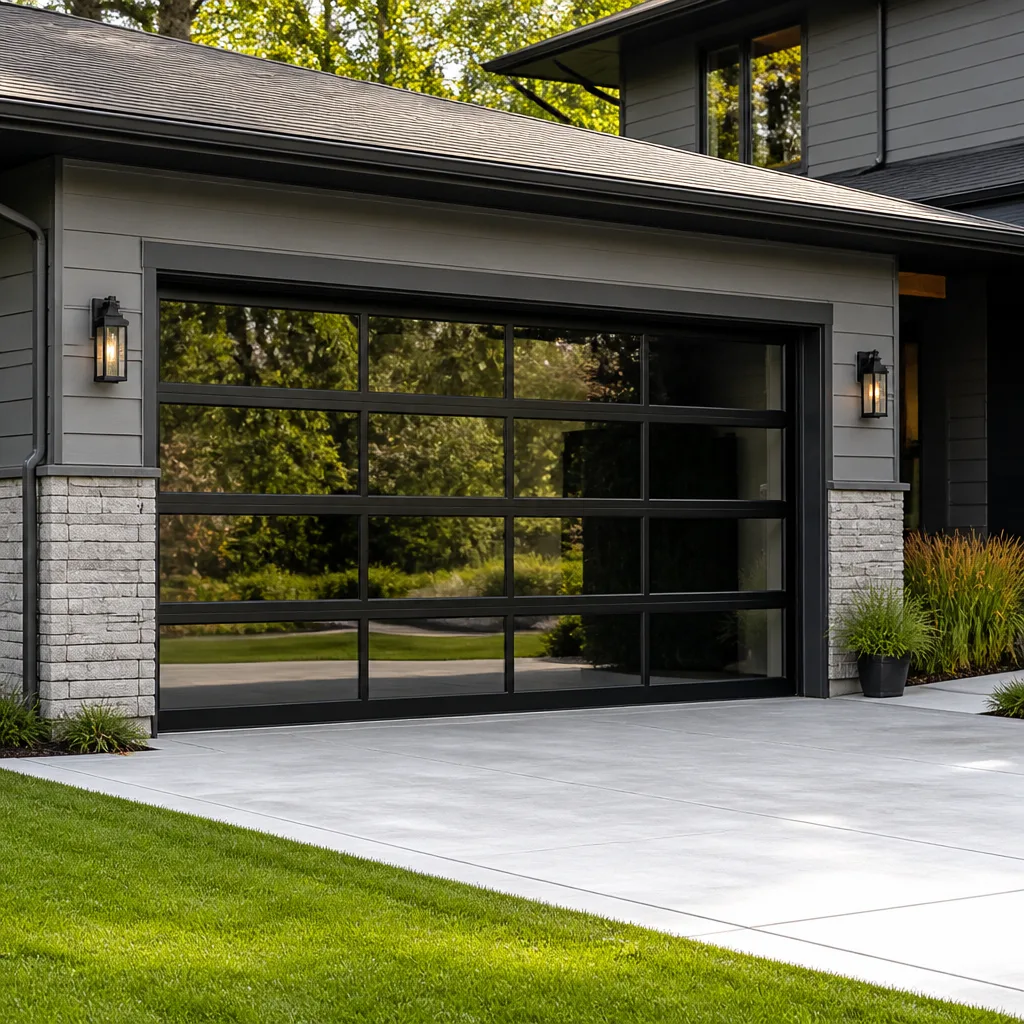 Full-view glass
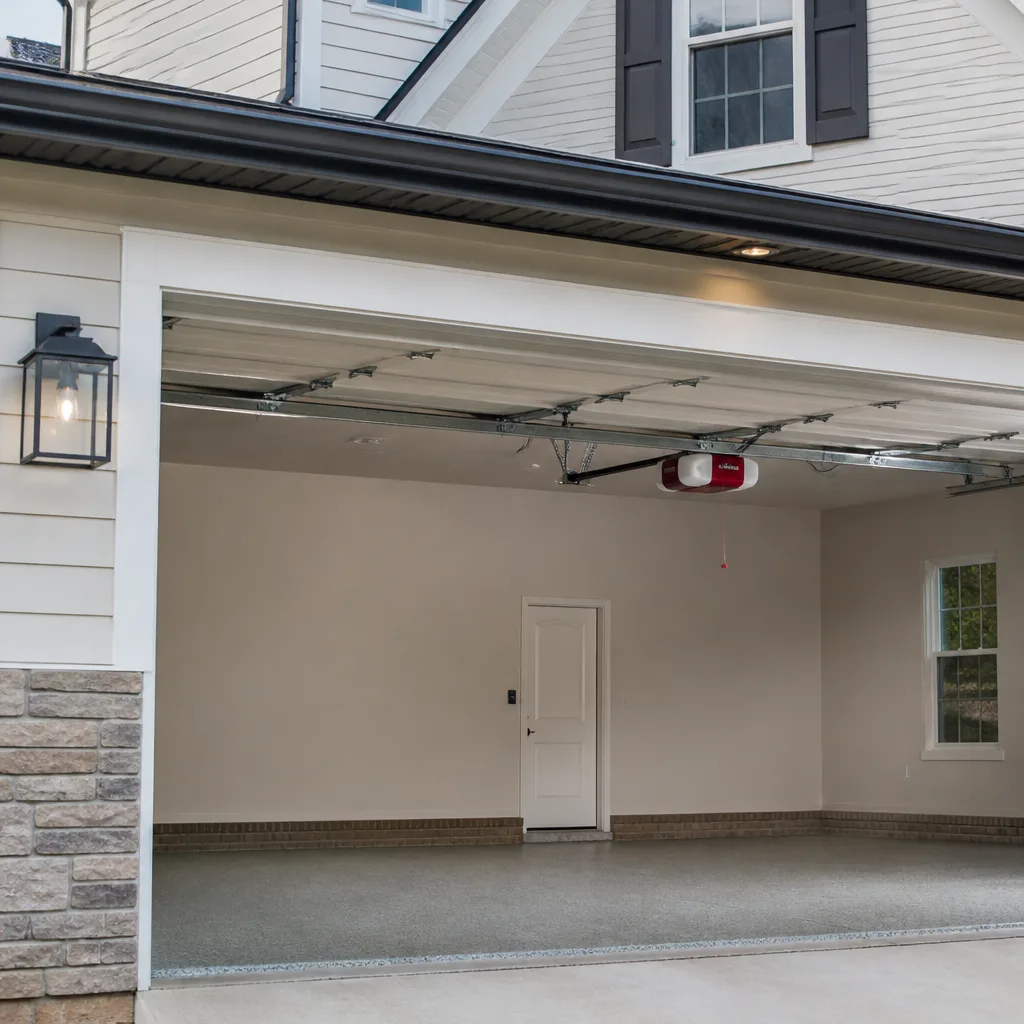 LiftMaster openers
 Chamberlain openers
Full 25-point door and opener safety check with every visit - springs, cables, rollers, tracks, and your LiftMaster or Chamberlain opener included
You get a price before we start. It does not change when the pro arrives.
Get your free estimateGarage Door Permits, Codes & Inspections in Boulder, CO: What You Need to Know
Most homeowners assume the permit question has a single answer: either garage door work needs a permit or it doesn’t. In Boulder, it isn’t that clean. The trigger depends on what’s actually being changed – a like-for-like opener swap looks nothing like structural header work on paper, even though both might involve a technician standing in your garage. Get the classification wrong and the problem doesn’t surface at the time of the work. It surfaces during a title search, a home inspection, or a buyer’s due diligence, often at the worst possible moment. This guide breaks down when Boulder City permits are required, how Colorado’s energy code touches replacement doors, what inspectors actually examine, and where HOA approval runs on a separate track from city permitting. If you’re planning garage door work in Boulder, CO, this is the map.
Quick Answer
In Boulder, a permit is typically required when garage door work involves structural modification – changing the opening size, altering or reinforcing the header, or replacing a door with a different structural spec. A straight like-for-like door replacement or opener replacement usually doesn’t require a city permit, but it may still need HOA architectural approval. When structural work is involved, expect an inspection that covers spring anchoring, header bracket load, and opener safety reversal. When in doubt, ask Boulder’s building department directly before ordering materials.
Styles & brands we work with
- Raised-panel steel
- Carriage house
- Modern flush
- Full-view glass
- LiftMaster openers
- Chamberlain openers
Table of Contents
- When Does Garage Door Work Require a Permit in Boulder?
- How Colorado’s Energy Code Affects Replacement Doors
- What Inspectors Actually Look At
- HOA Architectural Approval vs. City Permitting
- What Unpermitted Work Looks Like at a Home Inspection
- The Permit and Inspection Process, Step by Step
- Who Pulls the Permit – You or the Contractor?
- How Permit Records Affect Resale in Boulder
When Does Garage Door Work Require a Permit in Boulder?
A permit is usually required when the work changes something structural; it usually isn’t required when the work is a direct replacement of an existing component with a comparable one. That’s the core distinction, and it’s where most confusion starts. Boulder’s building department cares about structure and safety systems, not cosmetics.
Here’s how the three most common scenarios usually break down:
- Like-for-like opener replacement: Generally no permit. You’re swapping a LiftMaster or Genie unit for a comparable one mounted to the same rail and bracket points. No structural change, no change to the opening.
- Full door replacement, same size and spec: Usually no permit, provided the opening, header, and track configuration stay the same. This is where HOA approval often becomes the real gate.
- Structural work – header modification, opening resize, reinforcement: Permit required. Anything that changes load paths or the framing around the opening falls into this bucket.
The nuance that catches people: a “replacement” that changes the door’s weight class or requires new spring anchoring points can cross into structural territory. A heavier Clopay or Amarr door going into the same opening may need the header and anchoring evaluated. That evaluation is what determines whether you’re in permit territory.
Boulder’s housing stock makes this more relevant than it might seem. Older homes in neighborhoods like Mapleton Hill and Whittier often have garage openings that were framed decades ago to different standards, and a modern replacement door can stress framing that was never designed for it. If you’re unsure which category your project falls into, the safest move is a call to Boulder’s building department before you order. We work on doors every day and we still recommend that call on anything structural.
For non-structural repair work – cables, rollers, panels, springs – no permit is involved at all. That’s straightforward garage door repair territory, and it’s the bulk of what most Boulder homeowners actually need.
How Colorado’s Energy Code Affects Replacement Doors
Colorado adopts the International Energy Conservation Code (IECC), and Boulder enforces energy requirements on replacement assemblies as part of that framework. In practice, this means a replacement garage door attached to a conditioned space may need to meet an insulation threshold that a like-for-like swap of an old uninsulated door wouldn’t satisfy.
This matters most in two situations:
- Attached garages with conditioned space above or beside them. The garage door becomes part of the thermal envelope. Insulation values on the replacement door get scrutinized.
- Doors separating a garage from living space. The door between garage and house is treated differently from the overhead door, but both can fall under energy code review during a permitted project.
What this means practically: if you’re replacing a door as part of a permitted project, the door you choose needs to document its insulation performance. Insulated doors from Clopay, Amarr, and Wayne Dalton all publish their values, and a contractor familiar with the brand can tell you which models meet the threshold before you commit. Choosing the door first and discovering it doesn’t meet code after the permit is pulled is a common and expensive sequencing error.
Boulder’s climate is the reason the code exists. Winters here swing hard, and an uninsulated door on an attached garage pulls heat out of the house all season. The energy code isn’t paperwork for its own sake; it’s the reason a properly spec’d insulated door keeps the rooms above the garage warmer in January. If you’re planning a replacement and want to talk through which models fit, garage door opener repair is a separate conversation from door selection, but our team can point you in the right direction on both.
What Inspectors Actually Look At
When a garage door project is permitted, the inspection isn’t a general walkthrough. It’s targeted at the specific safety and structural concerns that make garage doors unusual as a building component. Here’s what inspectors typically examine:
- Spring anchoring: The mounting points for torsion or extension springs must be secure and correctly fastened to structural framing. This is the highest-risk element of any door system and inspectors treat it accordingly.
- Header bracket load: The bracket that carries the torsion shaft or the opener rail must be anchored into sound framing, not drywall or a cosmetic trim board.
- Opener safety reversal: The door must reverse on contact with an obstruction, and the photo-eye system must function correctly. Inspectors test this directly.
- Track and door alignment: The door should travel smoothly without binding, and the tracks should be plumb and securely fastened.
- Emergency release: The manual release must be functional and accessible.
The safety reversal test is the one homeowners most often fail without knowing it. A Genie or Chamberlain opener that was installed correctly can drift out of adjustment over time, and the door that reverses on a box in the driveway during installation may not reverse reliably a season later. Inspectors test it, and a failed reversal is a fail on the inspection.
An important caveat: high-tension springs are genuinely dangerous. We don’t walk homeowners through adjusting spring tension or anchoring, because the stored energy in a wound torsion spring can cause serious injury in a fraction of a second. If an inspector flags spring anchoring, that’s a job for a trained technician with the right tools – not a weekend project. In our experience, this is the single area where DIY attempts on a garage door most often end badly.
HOA Architectural Approval vs. City Permitting
Boulder has a significant number of HOAs and architectural review committees, particularly in newer developments and planned communities, and the approval process runs in parallel to – not instead of – city permitting. The two govern different things, and they sometimes conflict.
Here’s the split:
- City permitting governs safety and structure. Header integrity, spring anchoring, opener safety systems, energy code compliance on the thermal envelope.
- HOA architectural approval governs aesthetics and neighborhood consistency. Door style, color, panel configuration, window presence, sometimes the brand or model family if the HOA has a spec list.
Where they conflict: an HOA may require a specific door style for visual consistency that doesn’t meet the energy threshold Boulder’s code requires, or an energy-compliant door may not match the HOA’s approved palette. This is a real sequencing problem, and it’s why we tell customers to get both approvals moving early rather than treating HOA paperwork as an afterthought once the permit is pulled.
The practical order that usually works:
- Check your HOA’s architectural guidelines for door specs before selecting a model.
- Confirm the selected model’s insulation value against Boulder’s energy code requirements.
- Submit the HOA application with the model documentation.
- Pull the city permit if the project is structural.
- Schedule installation only after both approvals are in hand.
If your HOA has a brand spec list, knowing which brands you’re looking at matters. Wayne Dalton and Clopay are common in planned communities because they offer the style consistency HOAs want, but the specific model within those lines is what has to pass both review and code.
What Unpermitted Garage Door Work Looks Like at a Home Inspection
Unpermitted garage door work usually doesn’t announce itself. It shows up during a buyer’s home inspection as a pattern of small inconsistencies that suggest the work wasn’t reviewed, and that pattern triggers further scrutiny of everything else in the garage.
What inspectors typically flag:
- Missing permit records for work that clearly involved structural change, visible in the header or framing.
- Spring anchoring that doesn’t match the door’s weight class – a heavier door on anchoring sized for a lighter one.
- Opener mounting that bypassed the header and anchored into drywall or trim.
- Safety reversal that doesn’t function because it was never tested post-installation.
- Energy code non-compliance on a replacement door that was never reviewed.
During buyer negotiations, these items become leverage. A buyer’s inspector flags unpermitted structural work, the buyer’s agent asks for documentation, and the seller has none. The result is often a price reduction, a repair credit, or a delayed closing while retroactive permitting is sorted out. In Boulder’s market, where buyers are often well-informed and inspection contingencies are taken seriously, this is not a hypothetical.
The cleanest way to avoid the problem is to know before the work starts whether a permit is required. If you’re unsure, ask. If you’re buying a home with a recent garage door replacement, ask the seller for the permit records. If they don’t have them, that’s information worth having before you sign.
The Permit and Inspection Process, Step by Step
For a permitted garage door project in Boulder, the sequence typically runs like this:
- Determine permit requirement. Confirm with Boulder’s building department whether the specific scope – structural vs. like-for-like – requires a permit. This is a phone call, and it’s worth making.
- Select the door and verify code compliance. Choose the model, confirm insulation values against Colorado’s adopted energy code, and document it.
- Submit HOA application if applicable. Provide door model, color, and any spec documentation the HOA requests.
- Pull the permit. The permit application typically requires the scope of work, door specs, and contractor information if a professional is performing the work.
- Complete the installation. Structural work, spring anchoring, opener installation, and safety system setup.
- Schedule the inspection. The inspector reviews spring anchoring, header bracket load, opener safety reversal, track alignment, and emergency release.
- Close the permit. Once the inspection passes, the permit is closed and the record exists in the city’s system.
The timeline depends on the city’s inspection scheduling and the HOA’s review turnaround. Neither is instantaneous, and both should be factored into your project planning rather than treated as same-week items. This is one of the reasons we tell homeowners that replacement and new installation work is measured, ordered, and scheduled – it’s not a same-day service the way a spring repair or opener fix can be.
For repair work – broken cables, worn rollers, a door that’s off track – no permit is involved and scheduling is much faster. If you’re looking at a fix rather than a replacement, garage door spring repair is where most of the urgent work lands, and it doesn’t require any of the permit steps above.
Who Pulls the Permit – You or the Contractor?
Either can, but the contractor is usually the right answer when one is involved. The person who pulls the permit is responsible for the inspection passing and the permit closing, and a contractor who understands the specific inspection points is better positioned to get it right the first time.
When you pull the permit yourself as a homeowner, you take on the inspection coordination and the risk of a failed inspection. A failed inspection means a re-inspection, a delay, and potentially a correction to work that was already completed. When a contractor pulls the permit, that coordination is part of their scope.
The catch: not every company is set up to pull permits. This is a real differentiator between a dedicated garage door specialist and a generalist who handles doors as a side job. At Boulder Garage Door Repair Co, we’re a dedicated door company – repair, opener repair, spring repair, and new installation – and we can tell you upfront whether your specific project is permit territory and who should pull it. We work on LiftMaster, Chamberlain, Genie, Clopay, Amarr, Wayne Dalton, Craftsman, and Raynor equipment, so the documentation inspectors ask for is familiar ground.
If you’re working with an HOA, the permit and the architectural approval are separate tracks and the contractor doesn’t pull the HOA approval for you. That’s yours to submit, though we can provide the door spec documentation the HOA needs.
How Permit Records Affect Resale in Boulder
Permit records are part of your home’s documented history, and in Boulder’s market they carry weight at resale. A buyer’s agent reviewing a property with a recent garage door replacement will often check whether a permit was required and whether one was pulled. If the work was structural and the permit is missing, that becomes a negotiation point.
The reason it matters more than it might seem: garage doors are a safety system, not just a cosmetic feature. A buyer’s inspector who sees unpermitted structural work around the opening can’t verify that the header, spring anchoring, or opener mounting were done to code. That uncertainty gets priced into the offer, or the buyer asks for a repair credit, or the closing gets delayed while retroactive permitting is sorted out.
Boulder buyers tend to be informed. The market here rewards documentation, and a permit record is documentation. If you replaced a door as part of a permitted project, keep the permit number and the inspection sign-off with your home records. If you inherited a home with a garage door replacement you can’t document, calling Boulder’s building department to check the permit history is a reasonable step before listing.
The same logic applies on the buy side. If you’re purchasing a home in Boulder with a recently replaced garage door, ask the seller for the permit records. If they don’t have them and the work involved structural change, factor that into your inspection contingency planning.
Common Mistakes to Avoid
- Assuming all replacements need a permit. A like-for-like swap usually doesn’t. Over-permitting wastes time and money; under-permitting creates title problems. Know which category you’re in before you order.
- Sequencing the door choice before the code check. Choosing an insulated Clopay or Amarr door for its look before confirming its published insulation value against Colorado’s adopted energy code is the most common ordering error we see in permitted Boulder projects.
- Treating HOA approval as an afterthought. In Boulder’s planned communities, the HOA can require a style the energy code makes awkward. Get both approvals moving in parallel, not sequentially.
- Skipping the safety reversal test after installation. Inspectors test it directly, and a door that reverses on installation day can drift out of adjustment before the inspection. A failed reversal means a re-inspection.
- Pulling the permit yourself to save a step, then failing the inspection. The permit holder owns the inspection outcome. If a contractor is doing the work, let them pull it.
- Attempting spring anchoring corrections as a DIY fix. High-tension springs are the highest-risk component of any garage door system. When an inspector flags anchoring, that’s a trained-professional job, full stop.
- Not keeping the permit records. The closing and the inspection sign-off belong with your home documentation. They’re the first thing a buyer’s agent asks for if the garage door was recently replaced.
See the difference
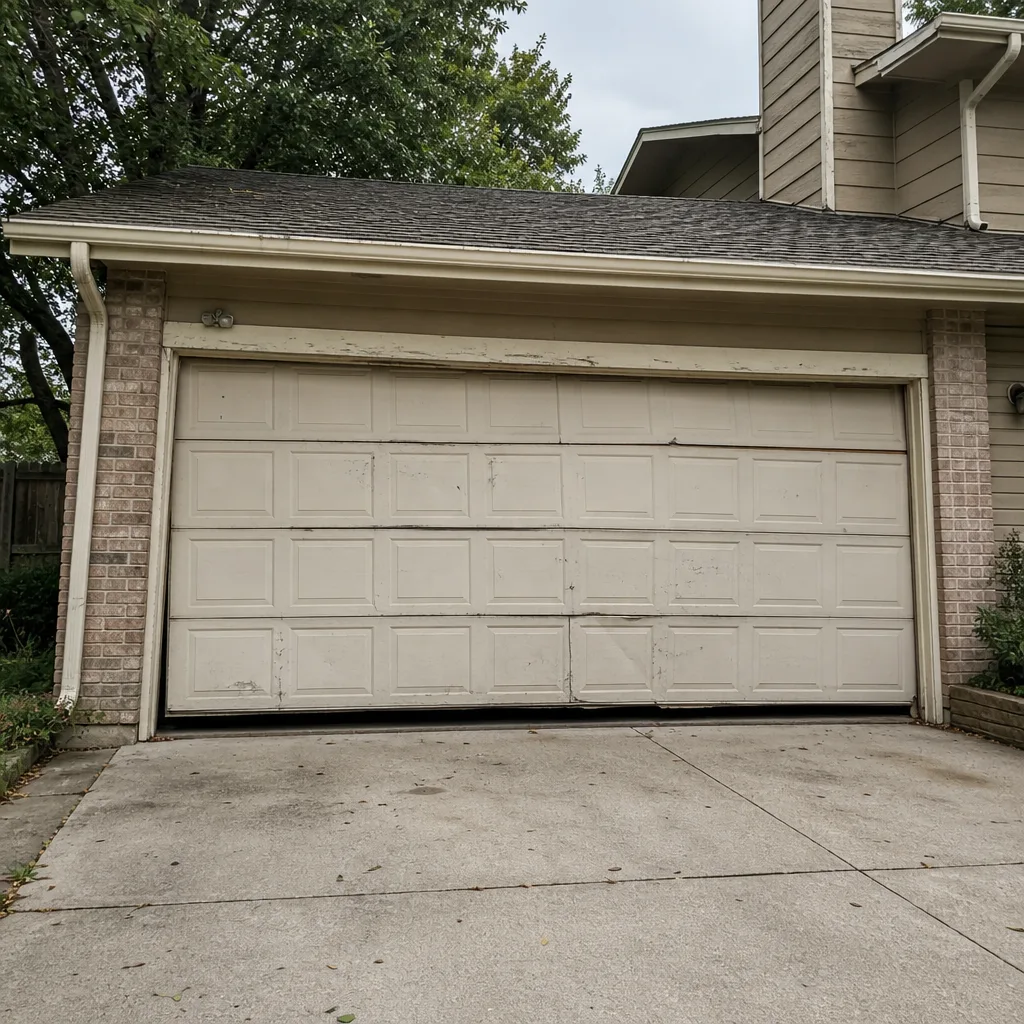 Before
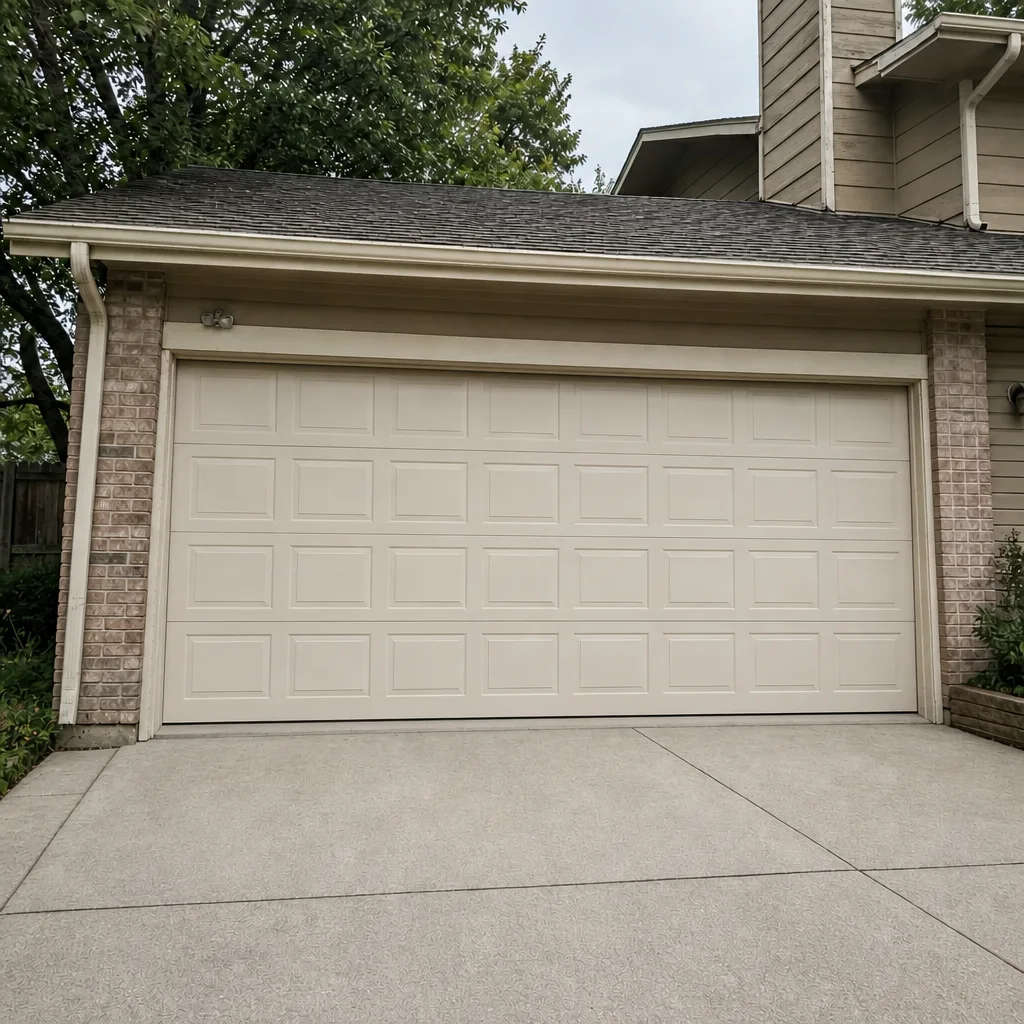 After
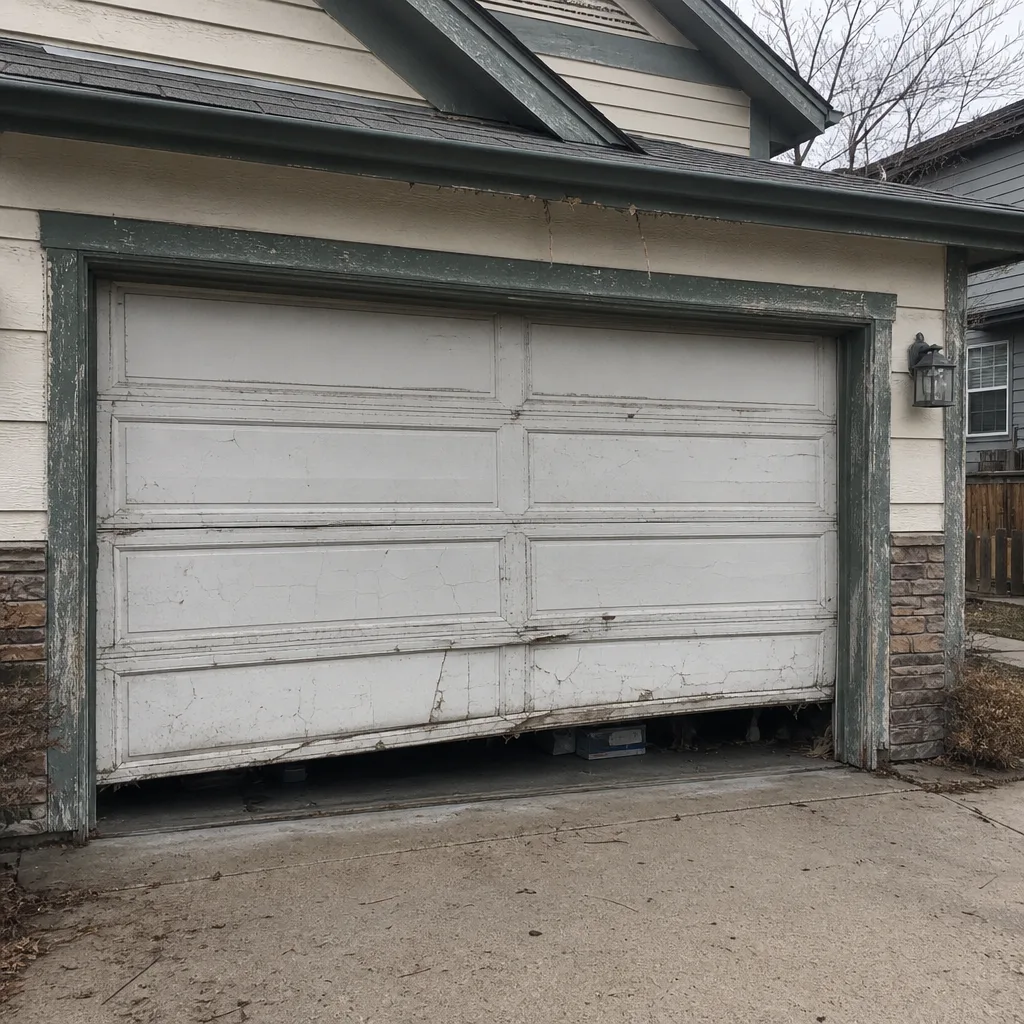 Before
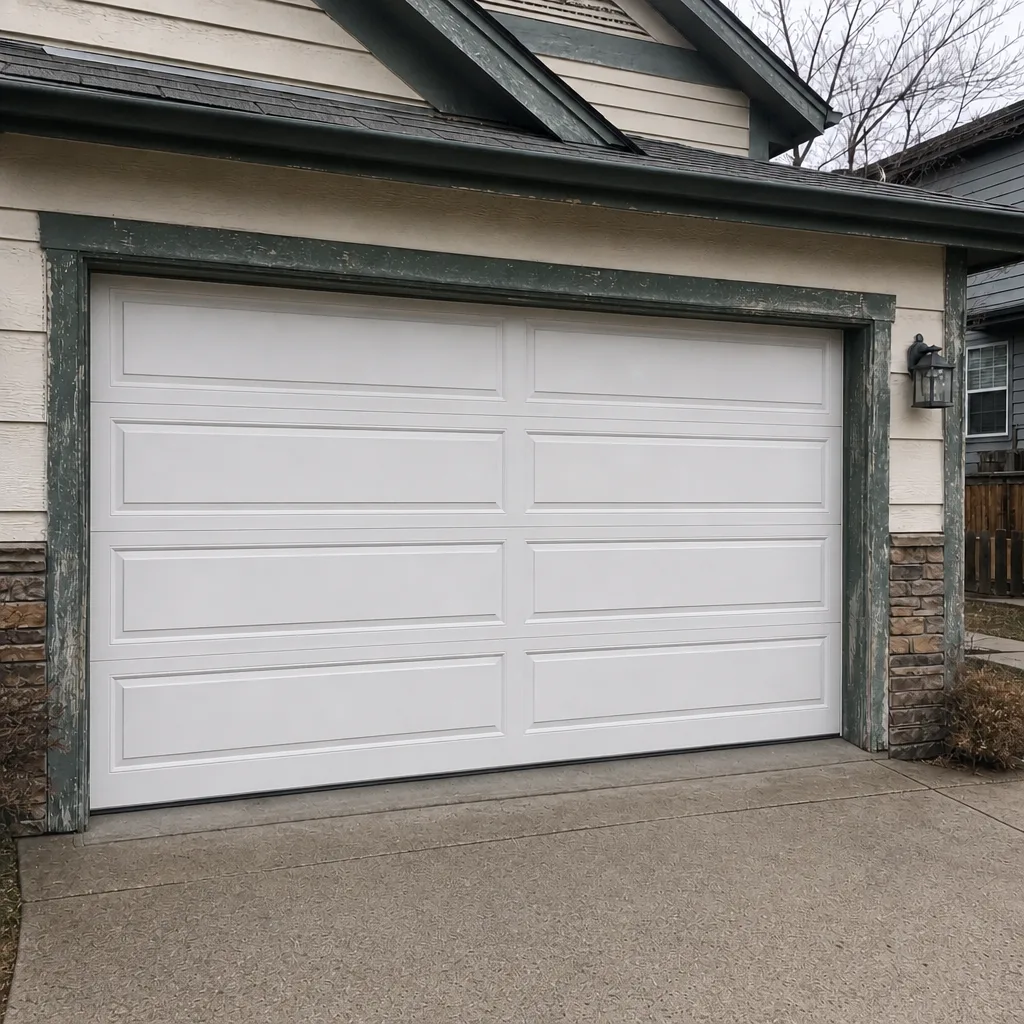 After
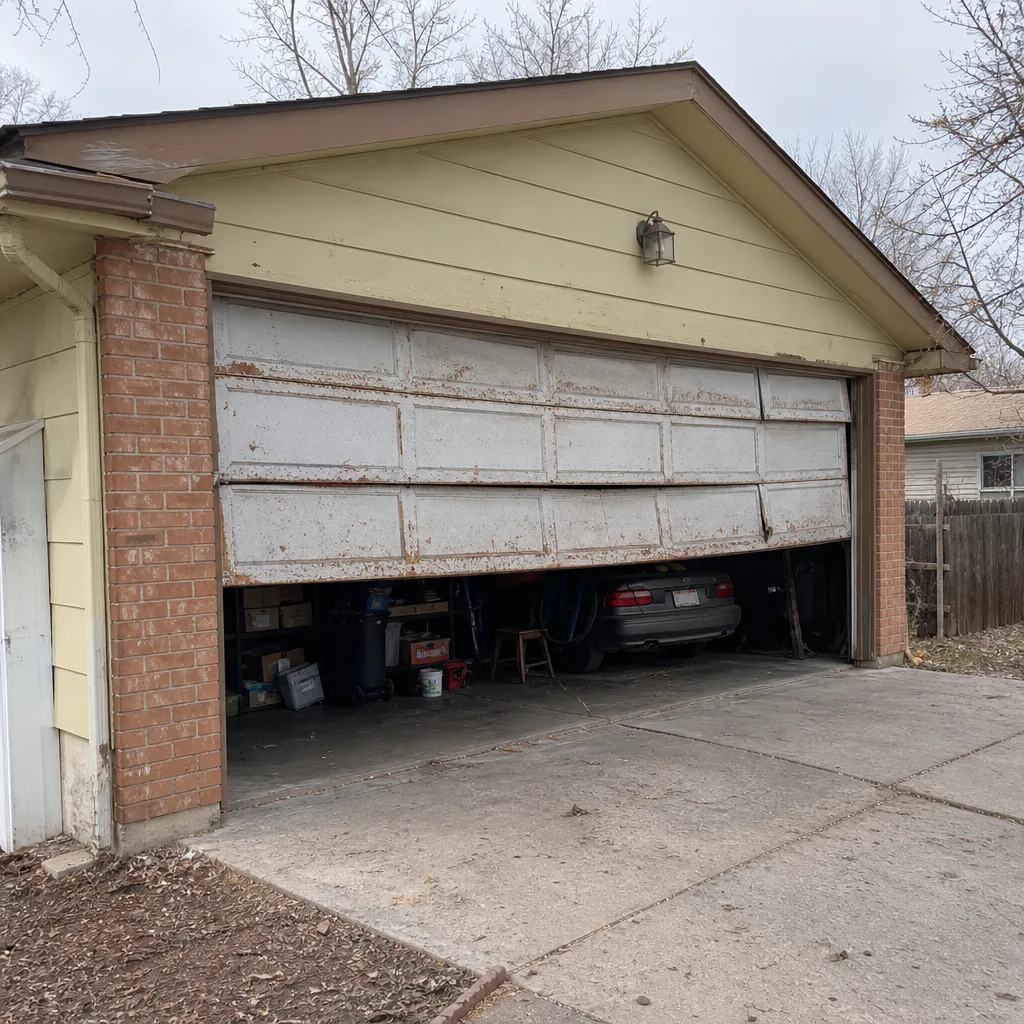 Before
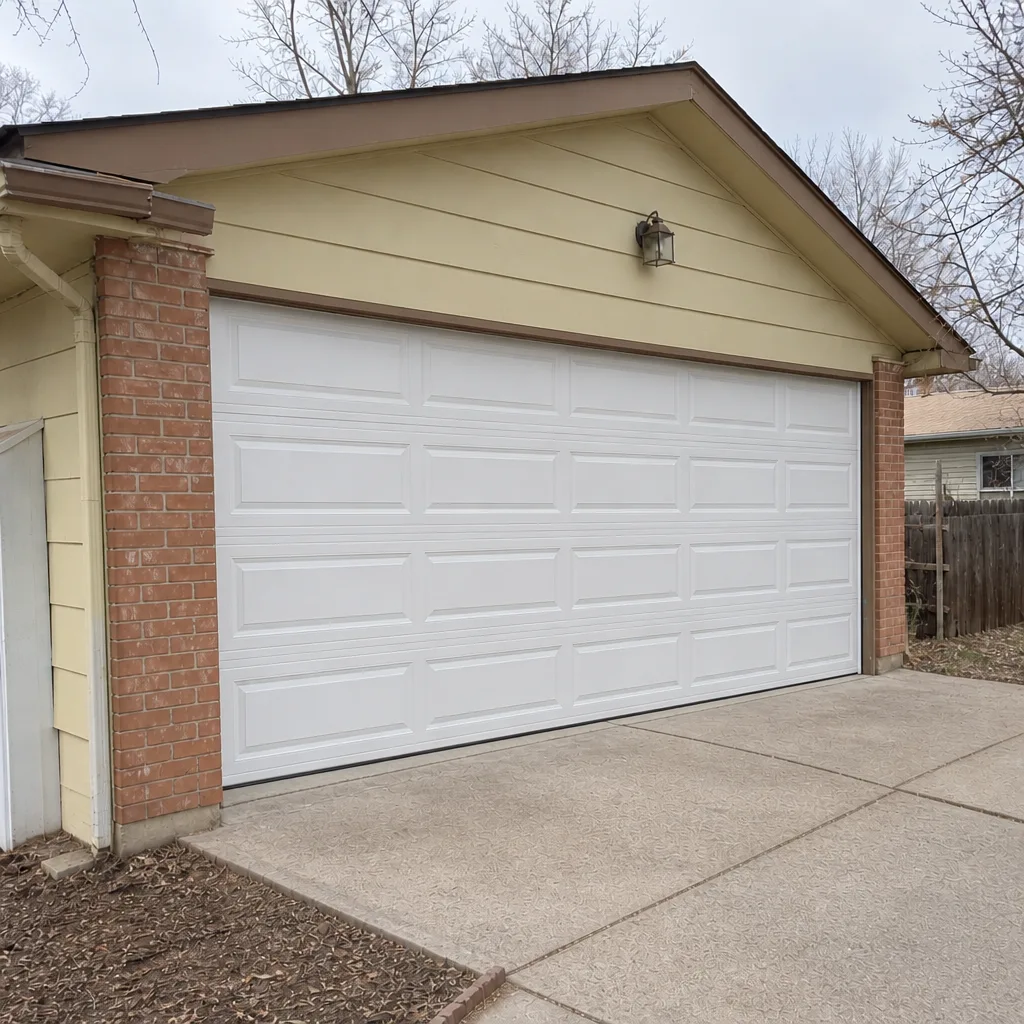 After
When to Call a Professional
Call a professional when the project involves structural work, when an inspector has flagged something, when high-tension springs are involved, or when you’re unsure which permit category your job falls into. Those are the situations where the cost of getting it wrong is measured in failed inspections, delayed closings, and title problems. Spring work in particular should never be a DIY attempt – the stored energy in a wound torsion spring can cause serious injury in a fraction of a second, and this is the one area where even experienced handymen should stop.
We’re a dedicated garage door company in Boulder – repair, opener repair, spring repair, installation, and emergency service – not a general contractor who handles doors on the side. Boulder Garage Door Repair Co offers free estimates in Boulder. Call (833) 508-9584. We answer 24/7. Fast dispatch from 7am to 7pm, Sunday through Friday.
Frequently Asked Questions
Usually not, if the replacement is like-for-like – same size, same spec, same opening and header. A permit is typically required when the work involves structural modification, such as changing the opening size or altering the header. When in doubt, call Boulder’s building department to confirm your specific scope before ordering. Call (833) 508-9584 for a free estimate on the door side – our team can tell you whether the project typically crosses into permit territory.
Generally no. A like-for-like opener replacement – swapping a Genie or Chamberlain unit for a comparable one on the same rail and bracket points – doesn’t involve structural change and typically doesn’t require a city permit. If the new opener requires different mounting or header modification, that changes the answer. Call (833) 508-9584 if you’re unsure which category your opener job falls into.
The inspection itself is typically scheduled within the city’s normal inspection timeline, and the permit is closed once the inspection passes. The larger variable is usually the front end – confirming the permit requirement, verifying energy code compliance on the door, and getting HOA approval if applicable. Plan for scheduling that reflects those steps rather than a same-week turnaround. Call (833) 508-9584 to talk through the timeline for your specific project.
Inspectors typically examine spring anchoring and mounting points, header bracket load and anchoring, opener safety reversal and photo-eye function, track alignment, and emergency release operation. The safety reversal test is the most common failure point, because a correctly installed opener can drift out of adjustment over time. Spring anchoring corrections should always be handled by a trained technician – high-tension springs are dangerous. Call (833) 508-9584 for a free estimate on any correction work.
Yes, it can. A buyer’s home inspector who spots structural work without a corresponding permit record can’t verify the work was done to code, and that uncertainty typically becomes a negotiation point – a price reduction, a repair credit, or a delayed closing while retroactive permitting is sorted out. Keeping your permit records with your home documentation is the simplest protection. Call (833) 508-9584 if you need work brought up to standard before listing.
It can. Colorado adopts the International Energy Conservation Code, and Boulder enforces energy requirements on replacement assemblies where the door is part of the thermal envelope – typically an attached garage with conditioned space above or beside it. An insulated door from Clopay, Amarr, or Wayne Dalton that publishes its insulation value is the right starting point, but confirm the value against the code before the permit is pulled. Call (833) 508-9584 for a free estimate and help matching a compliant door to your opening.
The Bottom Line
Boulder’s permit rules for garage door work aren’t a single gate – they depend on whether structural modification is involved. A like-for-like opener swap or same-spec door replacement usually doesn’t need a city permit; structural header work, opening changes, or reinforcement does. Colorado’s adopted energy code adds an insulation requirement on replacement doors that sit on the thermal envelope, and HOA architectural approval runs as a parallel track that governs aesthetics while the city governs safety. The mistakes that cost the most are sequencing errors: choosing the door before the code check, treating HOA approval as an afterthought, or assuming all replacement work is permit-free. When in doubt, ask Boulder’s building department. And on anything involving high-tension springs or structural anchoring, bring in a specialist.
Boulder Garage Door Repair Co handles repair, opener repair, spring repair, and new installation across Boulder, and we can tell you upfront whether your project is permit territory. Call (833) 508-9584 for a free estimate. We answer 24/7. Fast dispatch from 7am to 7pm, Sunday through Friday. One call covers it all, and the price is quoted and agreed before any work starts. For more on what we do, visit Boulder Garage Door Repair Co.
Written by the team at Boulder Garage Door Repair Co.