
Last updated November 22, 2026
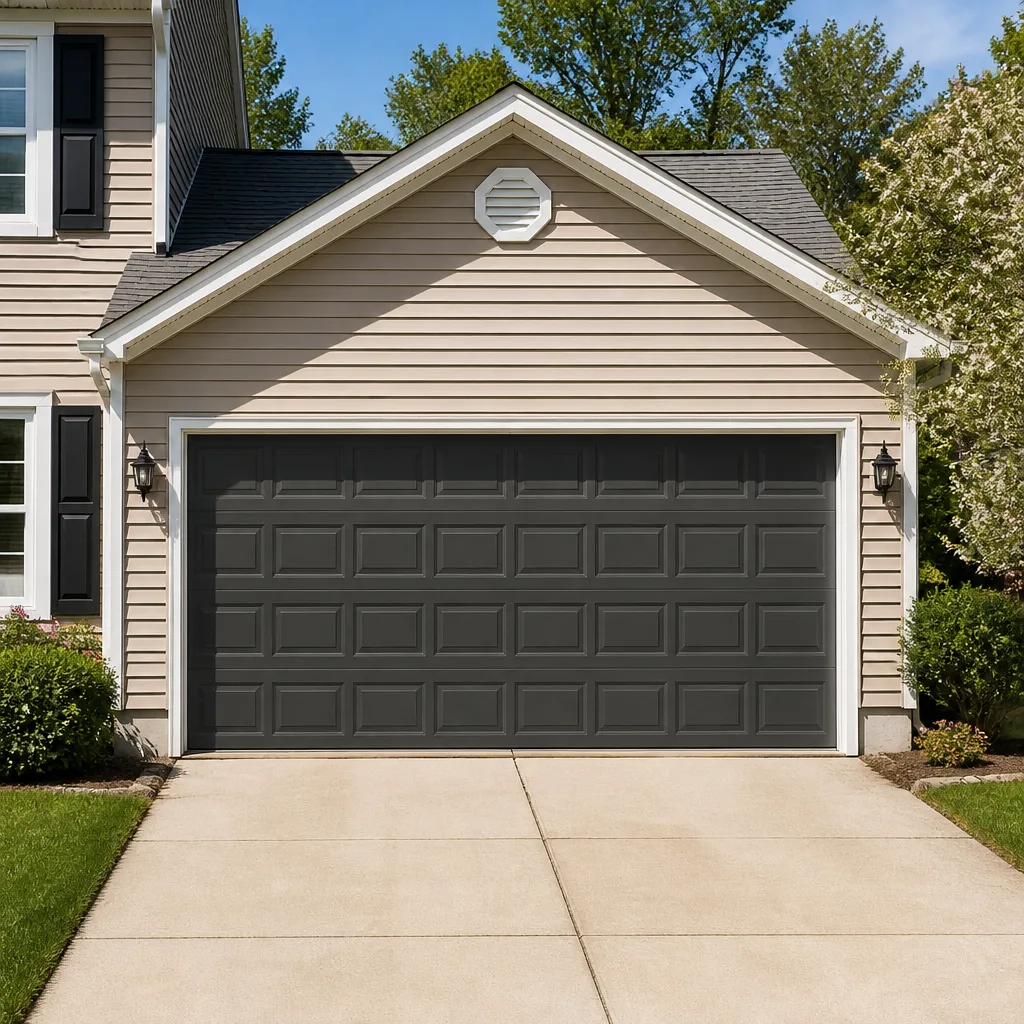 Raised-panel steel
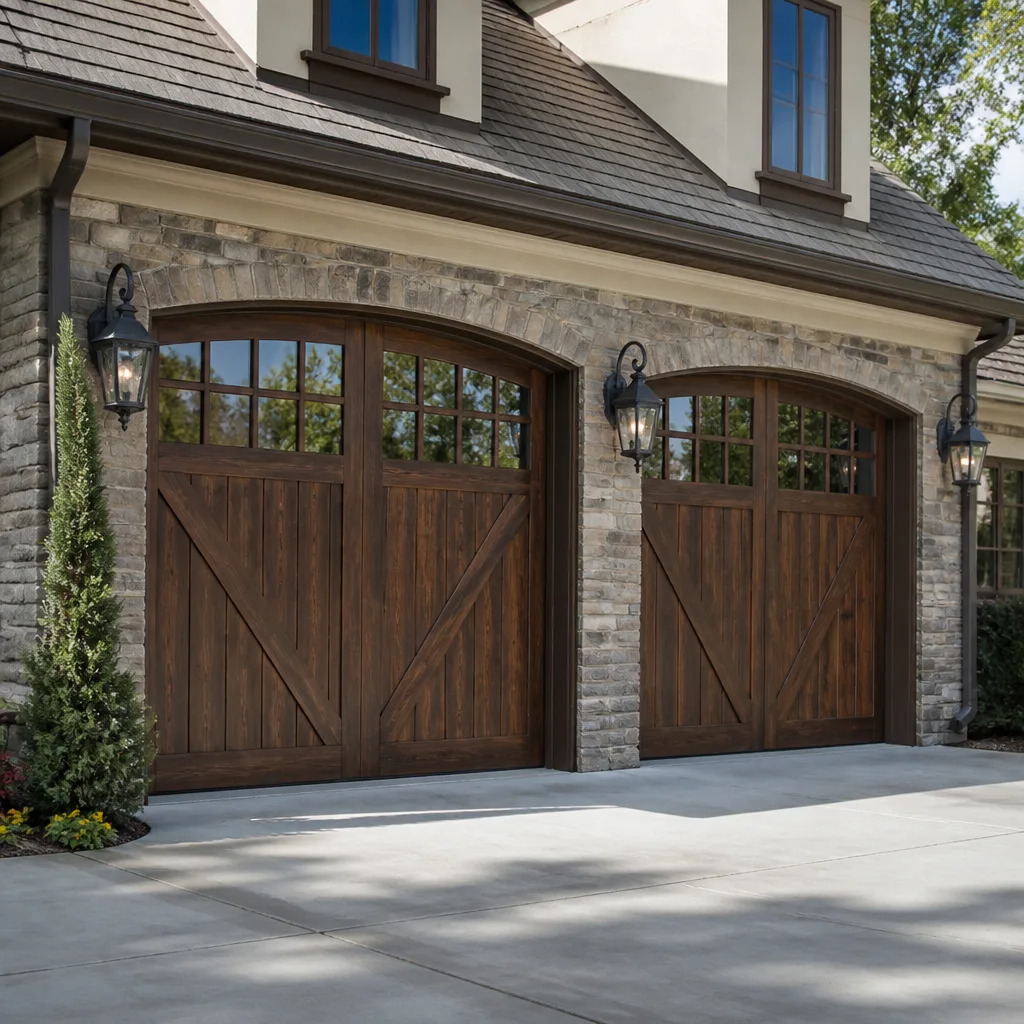 Carriage house
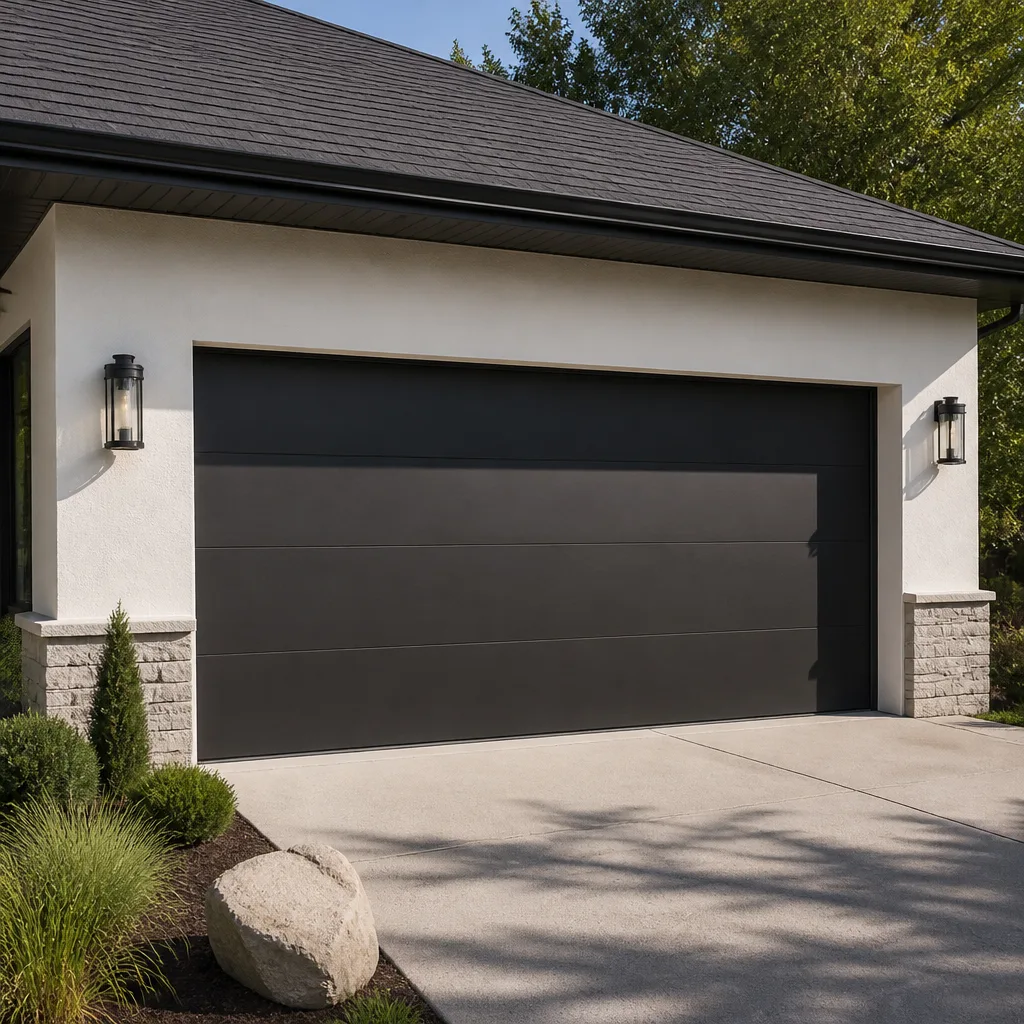 Modern flush
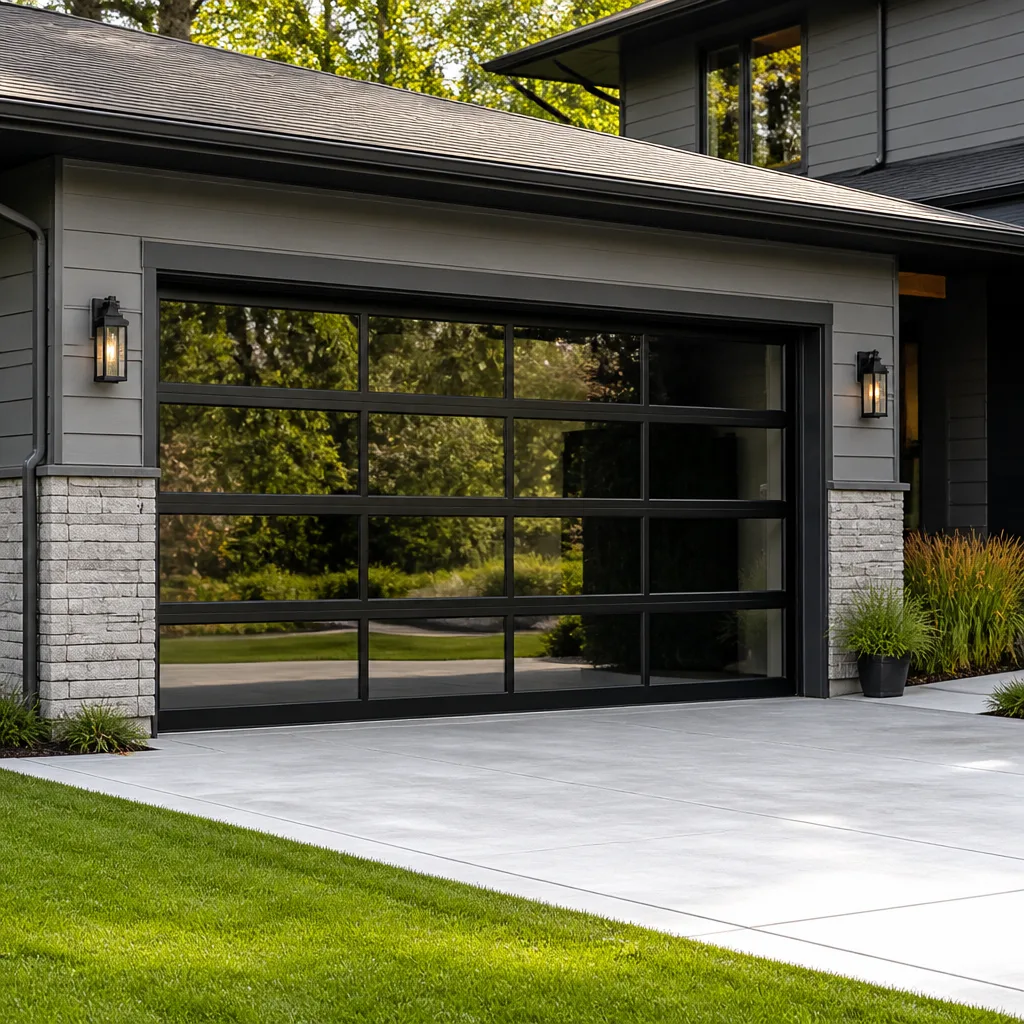 Full-view glass
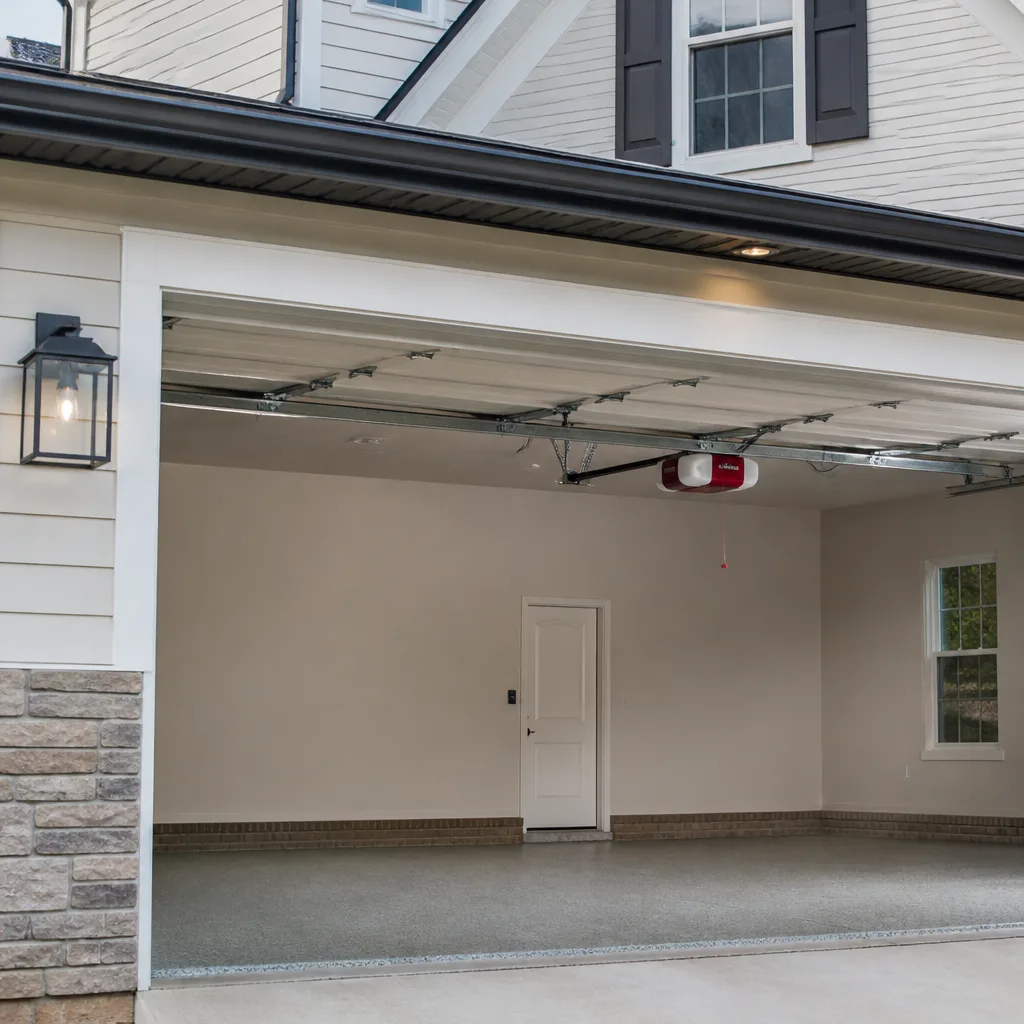 LiftMaster openers
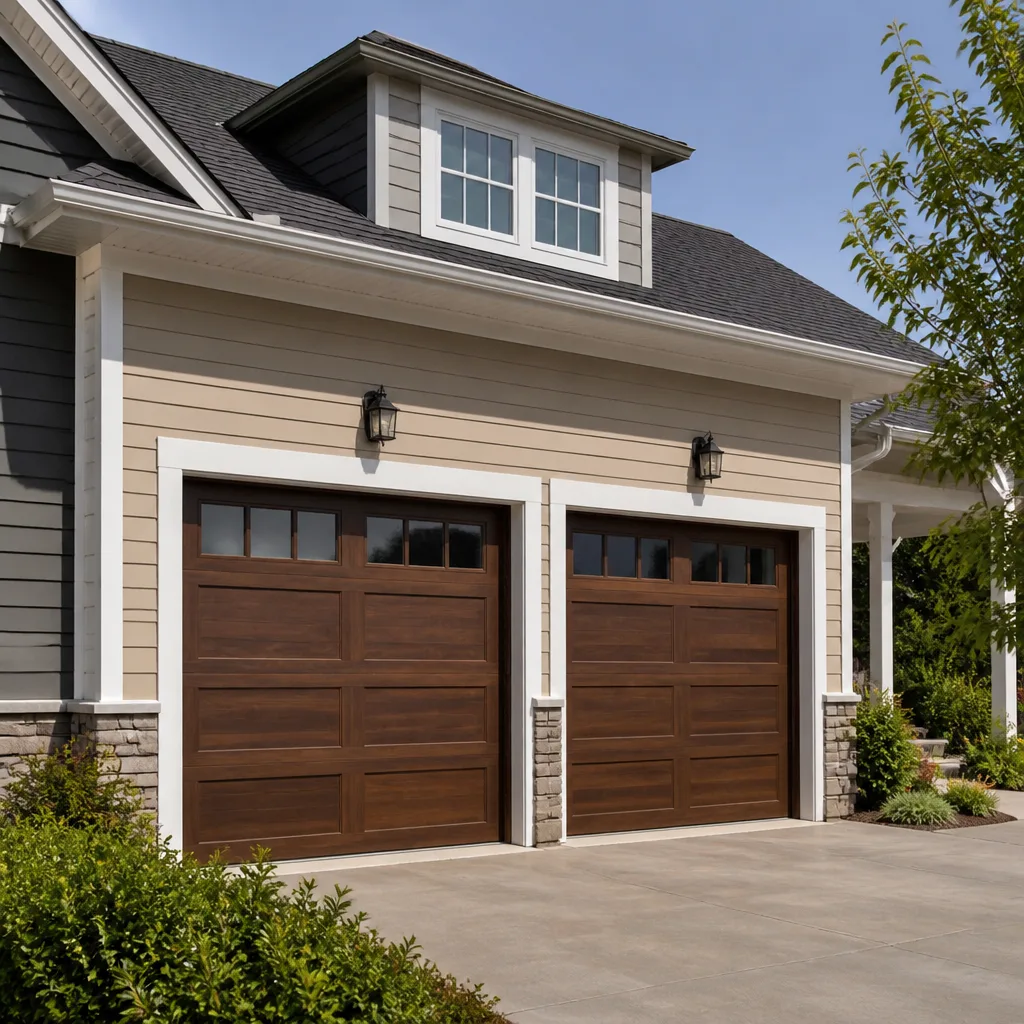 Chamberlain openers
Full 25-point door and opener safety check with every visit - springs, cables, rollers, tracks, and your LiftMaster or Chamberlain opener included
You get a price before we start. It does not change when the pro arrives.
Get your free estimateHow to Hire a Garage Door Contractor in Boulder: A Step-by-Step Guide
A five-star review tells you a contractor is pleasant to deal with. It tells you nothing about whether they know Clopay’s panel profiles, understand how a Genie opener’s safety sensors should read, or can source the right Amarr hardware the first time. Most homeowners in Boulder think the risk is hiring someone dishonest. The bigger risk is hiring a generalist: a handyman who treats garage doors as a side job, has no brand-specific parts knowledge, and can only handle the simplest fix before telling you it needs replacing. This guide walks you through screening for real specialization, reading a quote in Boulder, and knowing exactly what to ask before you book.
Quick Answer
To hire a garage door contractor in Boulder, screen for a dedicated garage door specialist rather than a general handyman, confirm the company carries insurance that specifically covers garage door work, ask which brands they work on, and insist on a written, itemized quote before any work starts. The right contractor can tell you what’s actually wrong, name the parts involved, and explain why. Shopping on price alone is how most Boulder homeowners end up paying twice.
Styles & brands we work with
- Raised-panel steel
- Carriage house
- Modern flush
- Full-view glass
- LiftMaster openers
- Chamberlain openers
Table of Contents
- How do you tell a garage door specialist from a generalist?
- What questions should you ask before booking?
- What does licensing actually cover in Colorado?
- How do you read a garage door quote?
- What red flags are specific to the Boulder market?
- Why does brand-specific experience matter?
- Why are springs the part you should never touch yourself?
- What’s the step-by-step screening checklist?
How do you tell a garage door specialist from a generalist?
A garage door specialist does garage doors as their only trade. A generalist does a bit of everything, and garage doors come up now and then. The difference shows up fast in how they talk about your door.
When you describe your problem, listen for whether the contractor names the actual component: torsion spring, extension spring, lift cable, roller, bottom bracket, circuit board, safety sensor, or opener logic board. A specialist responds with specifics. A generalist responds with vague reassurance (“we’ll take a look”). That gap matters most on the parts. If the company doesn’t regularly buy garage door hardware, they can’t tell you whether your door needs a Clopay panel or a generic one, and generic panels rarely fit the way they should.
Here’s what separates the two in practice:
- A specialist asks about your door’s brand and opener before visiting, because it shapes which parts they may need to order. A generalist asks what the problem is and books it.
- A specialist has worked on your opener’s ecosystem. If they can’t discuss a Chamberlain or a LiftMaster module, they’re improvising.
- A specialist diagnoses rather than replaces. Spring adjustment, cable tension, and limit-switch tuning are all fixable. A generalist who jumps to “you need a new door” is guessing.
- A specialist names the part over the phone. “It’s probably your torsion spring” is a diagnosis. “We’ll see when we get there” is not.
We’ve seen Boulder homes where a door was recommended for full replacement when the actual problem was a single worn bearing or a misaligned track. A specialist finds that; a generalist may not look.
What questions should you ask before booking?
These are the questions that reliably separate a dedicated garage door contractor from a handyman who happens to own a ladder. Ask them before you book, and hold the answers up against what the contractor says next.
Here’s a numbered checklist you can run through on the phone:
- “What brands do you work on regularly?” Look for named familiarity. A strong answer mentions specific lines: Clopay, Amarr, Genie, Chamberlain, LiftMaster. A weaker answer is “all brands.”
- “Do you carry insurance that specifically covers garage door installation and repair?” This is a different question than “are you insured.” A general contractor policy isn’t the same thing. Ask for confirmation in writing if you plan to move forward.
- “Can you give me a written estimate before work starts?” If the answer is no, or if the contractor gets evasive about it, that’s a strong signal to call someone else.
- “What parts might this job need, and can you get them?” A specialist can usually name the likely parts and confirm availability from the brand. A generalist can’t.
- “Will the price on the quote be the price I’m charged?” Line up the answer with the written quote. The written estimate should set the final price.
- “How long will the job take, and what happens if something goes wrong?” Listen for a satisfaction guarantee, a callback policy, and specifics on timing.
A specialist in Boulder should answer all six without hesitation. If you get flustered halfway through the list, you’re probably still on the phone with the wrong contractor.
What does licensing actually cover in Colorado?
Colorado does not issue a statewide garage door contractor license, and that surprises a lot of homeowners. Garage door work in Colorado is generally handled through local or general contractor regulation and through insurance, not through a dedicated state license for the trade. That means the license question gets you less than you’d think. The insurance question is where the real protection sits.
What you’re actually verifying when you check insurance:
- General liability coverage for the work performed. If a door is dropped or a wall is damaged, this is what covers the repair.
- Workers’ compensation if the company employs technicians. If someone is injured on your property and the company has no coverage, the risk can land on you.
- Coverage scope that names garage door work, not just generic handyman or remodeling work. Policies differ; ask directly.
You can verify a general contractor’s registration through the relevant local or state body. For a dedicated garage door company, ask for a certificate of insurance and check the coverage type – general liability plus workers’ comp if applicable. Boulder homeowners should never assume “we’re licensed” is the whole answer. Ask the follow-up question: licensed, and insured for what?
Ask also whether the technicians are covered specifically for high-tension spring work. That’s the most hazardous part of the job, and not every generalist policy treats it the same way. If someone can’t confirm it, treat that as a real gap.
How do you read a garage door quote?
A good garage door quote is itemized. Every part and every labor line is separated. A vague, lump-sum quote is the setup for upsells once the technician is standing in your garage. Reading the difference comes down to whether the quoted numbers trace to specific parts and specific work.
Here’s what a knowledgeable line-item quote usually includes:
- Part names and quantities – e.g., “two torsion springs, matched pair,” or “one 2-inch steel roller (x12).”
- Brand and model where relevant – a Clopay panel or a Chamberlain opener board isn’t the same as a generic equivalent.
- Labor line, separated – so you can see what you’re paying for the work itself.
- Diagnostic scope and result – a clear statement of what the technician determined was wrong and what will fix it.
- Clear total – and confirmation that this is the agreed price before any work starts.
Red flags on a quote: a single lump-sum line with no breakdown, vague part descriptions (“spring assembly”), a range instead of a specific number (“$300-$600”), and any line item labeled “additional parts as needed.” A priced range gives the contractor too much room to land at the high end; a fixed written estimate sets the number.
Also watch for a quote that specifies “replace” where a repair would do. If the quote jumps to a full door swap for what sounds like a track or opener issue, ask why. A specialist will explain the reasoning. A generalist often won’t have any.
In our experience, the most common surprise for Boulder homeowners is discovering mid-job that the required part was never on the original quote. A first-pass quote that already accounts for the parts involved cuts this off. If your quote doesn’t name the parts, ask for a corrected one before you agree to anything.
What red flags are specific to the Boulder market?
Boulder’s contractor market runs on online advertising, and not every company running an ad here is a Boulder company. Some are out-of-area operations that route calls to a dispatch center, run ads for Boulder neighborhoods, and then send whoever is closest. When that happens, parts availability and first-visit fix rates drop, because the technician isn’t local and doesn’t have the parts knowledge or inventory of a real local shop.
Red flags to watch for in Boulder:
- No physical service address listed alongside the ad, or only a PO box. A local garage door company usually has a physical presence and a clear service area. Ask.
- “We serve the whole Front Range” with no specifics. Boulder-specific knowledge is a tell. A local company knows the older homes on University Hill, the divided-light garages in Mapleton, and the tighter driveways in North Boulder that constrain door sizing.
- No brand-level detail on the website or in the phone call. If they can’t name 2-3 brands they work on regularly, they’re generalists or dispatchers.
- Vague timelines for parts. A specialist who orders Clopay panels or Amarr parts has a lead time they can tell you. A dispatcher doesn’t know.
- High-pressure booking tactics. “We can get someone out today, but only if you decide now” is a scheduling technique, not a service offering.
Cold weather in Boulder and along the Front Range stresses door hardware, which means spring and opener failures cluster in certain seasons. A local specialist knows this because they work the same market every winter. A dispatching operation running ads in Boulder doesn’t.
Why does brand-specific experience matter?
A contractor unfamiliar with your door’s brand may replace parts that only needed adjustment, or order the wrong component entirely. That’s the quiet cost of hiring a generalist. The wrong fit means a second visit, a second trip charge, or a part that doesn’t quite seat right and causes a new problem within a season.
Specific brand knowledge shows up in practical ways. A technician who knows Clopay’s panel profiles can order correctly the first time. Someone familiar with Genie and Chamberlain opener ecosystems can read a limit-switch fault instead of swapping the whole unit. Amarr hardware is not fully interchangeable with generic parts, and getting that wrong costs time.
Here’s what brand familiarity actually buys you:
- Faster diagnosis. Knowing how a specific opener reports faults saves the process of elimination.
- Correct parts on the first visit. The right component from the right manufacturer.
- Fewer callbacks. A part that fits doesn’t fail in a week.
- Better troubleshooting on lift systems – track alignment, spring tension, and opener travel are brand-and-model-specific.
If the contractor can’t name 2-3 of the brands they work on, treat that as a warning about parts knowledge. The brands matter: Chamberlain, Genie, Clopay, Amarr, LiftMaster, Wayne Dalton, Craftsman, Raynor. “All brands” is not a specialty.
We work on the major residential brands the market has: LiftMaster, Chamberlain, Genie, Clopay, Amarr, Wayne Dalton, Craftsman, and Raynor. Knowing the brand means knowing the parts and the failure modes before we arrive.
Why are springs the part you should never touch yourself?
Torsion and extension springs are under enormous tension. Those springs hold the full weight of the door, and when one fails under load, the stored energy releases all at once. That’s why spring replacement is a job for a trained technician with the right tools, not a homeowner with a pair of winding bars.
The signs of a spring problem are worth knowing:
- The door feels abnormally heavy when you lift it manually.
- The door only opens a foot or two before stopping.
- You hear a sharp snap from the garage.
- The door hangs unevenly, or the cables go slack.
If you notice any of these, don’t try to adjust the spring yourself. Call a specialist. Springs are the most hazardous part of any garage door system, and this is the work most generalists are least prepared for. A proper garage door spring repair involves winding bars, a controlled release, and matching the spring to the door’s actual weight. Getting it wrong can damage the door or cause serious injury.
Also worth knowing: springs are usually replaced as a pair, since a matched set wears at the same rate. If a company quotes one price to replace a single spring and doesn’t mention the pair, ask how they’re handling the second one.
What’s the step-by-step screening checklist?
Here’s the full sequence, in order. Run it before you book, and run it again if you’re comparing two contractors for the same job.
- Ask what brands they work on. Named brands are a specialist signal; “all brands” is not.
- Ask whether their insurance specifically covers garage door work. Get the coverage confirmed, not just asserted.
- Describe the symptom clearly and listen for a symptom-specific diagnosis. “Probably your torsion spring” is a diagnosis; “we’ll take a look” is not.
- Ask for a written, itemized estimate. Parts by name, labor separated, total fixed.
- Compare 2-3 quotes. Look for which quote names parts and which one is lump-sum.
- Confirm the parts lead time. Especially if a panel or opener board is involved.
- Confirm the price is the price. No “additional parts as needed.”
- Ask about their satisfaction guarantee. A specialist will have one and describe it plainly.
If your first call passes all eight checks, you’re in good shape. If any one of them fails, keep looking. Boulder has enough garage door specialists that you don’t need to settle for a generalist. Dedicated specialists you can call today include us: Boulder Garage Door Repair Co.
Common Mistakes to Avoid
- Booking on price alone. The cheapest quote often means a generalist without the right parts. First-visit failures cost more than the difference.
- Not asking which brands the company works on. If the contractor can’t name 2-3, you’re rolling the dice on parts fit.
- Accepting a lump-sum quote. A quote without itemized parts is a quote without accountability. Ask for a written breakdown.
- Assuming insurance means “they’re covered.” Ask what the policy covers, specifically, especially for spring work.
- Calling an out-of-area operation running local ads. Check for a physical service address and local parts knowledge before booking.
- Trying to adjust a spring yourself. High-tension spring work is the most dangerous part of the job. A homeowner injury or a damaged door is not worth the saving.
- Skipping the satisfaction guarantee question. A guarantee tells you what happens if the job goes wrong; a contractor who won’t discuss one is telling you something.
See the difference
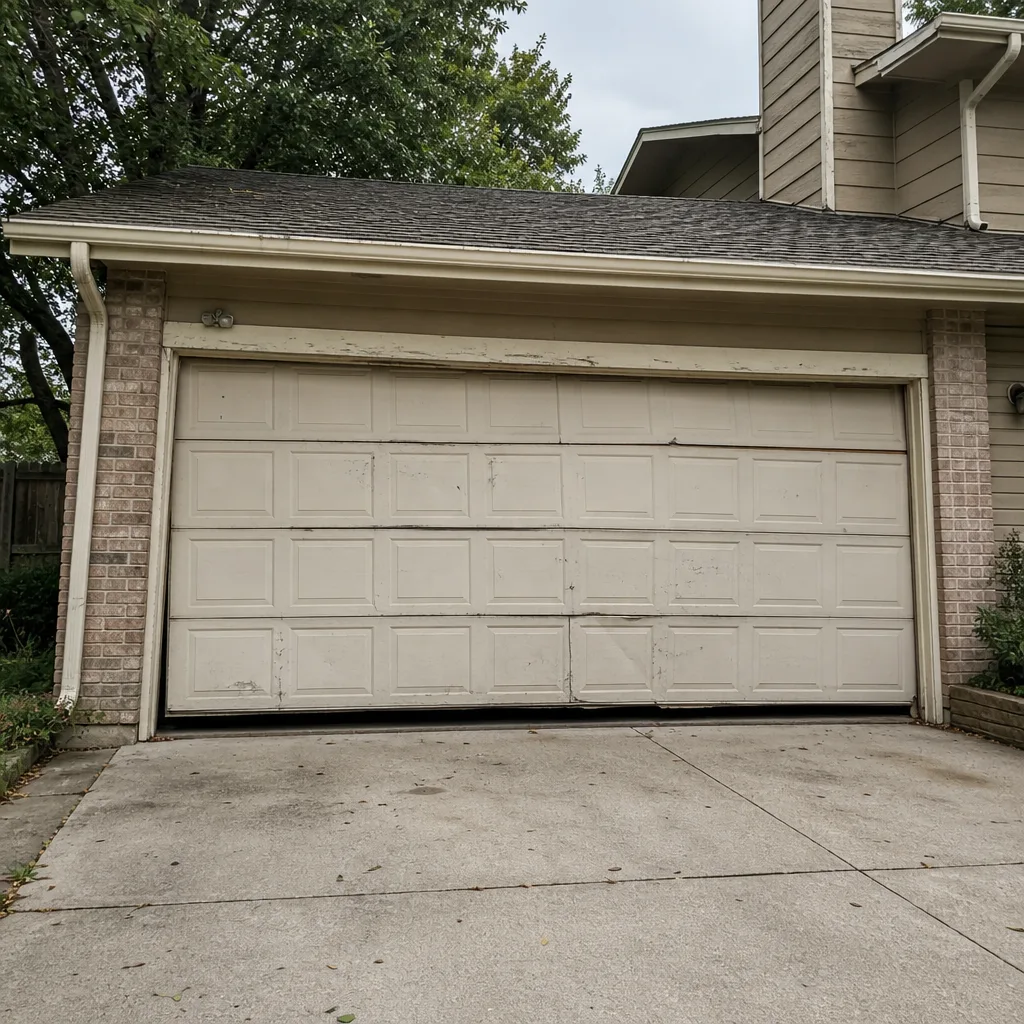 Before
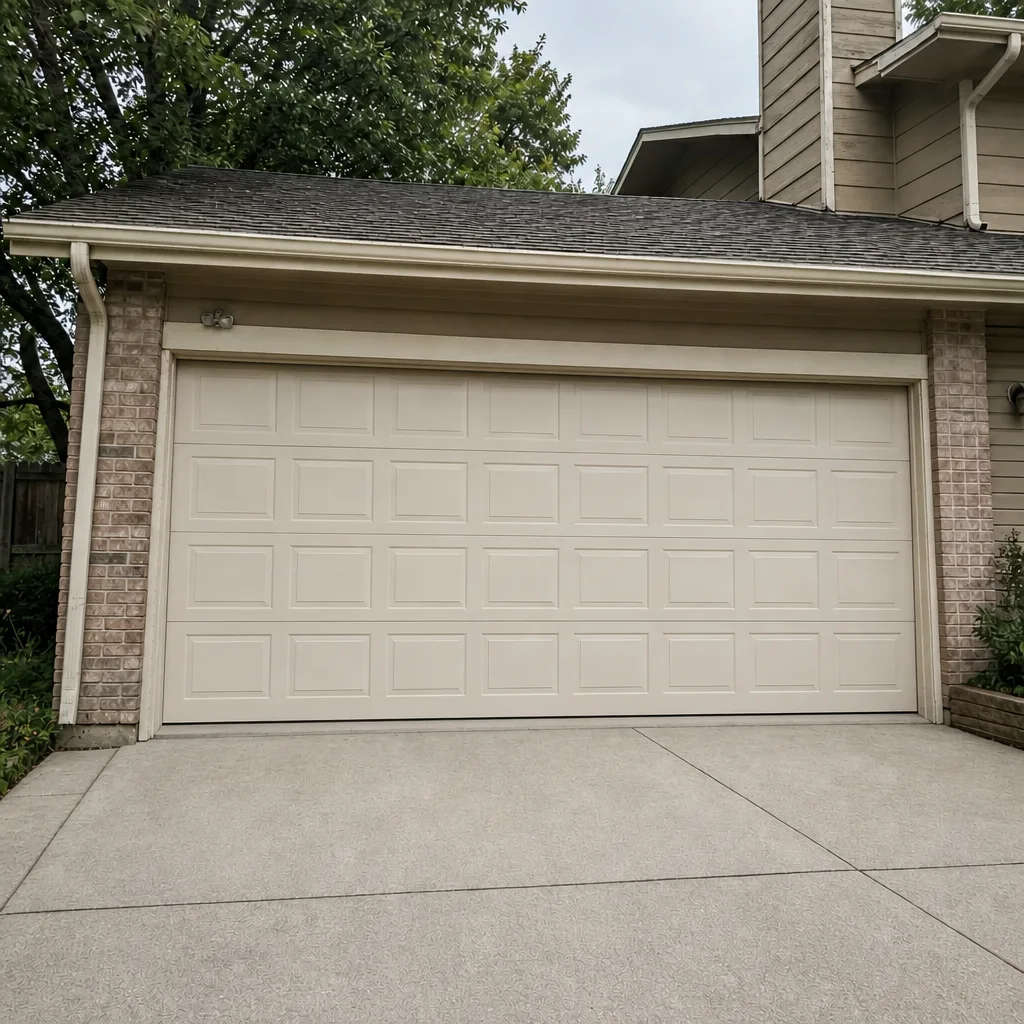 After
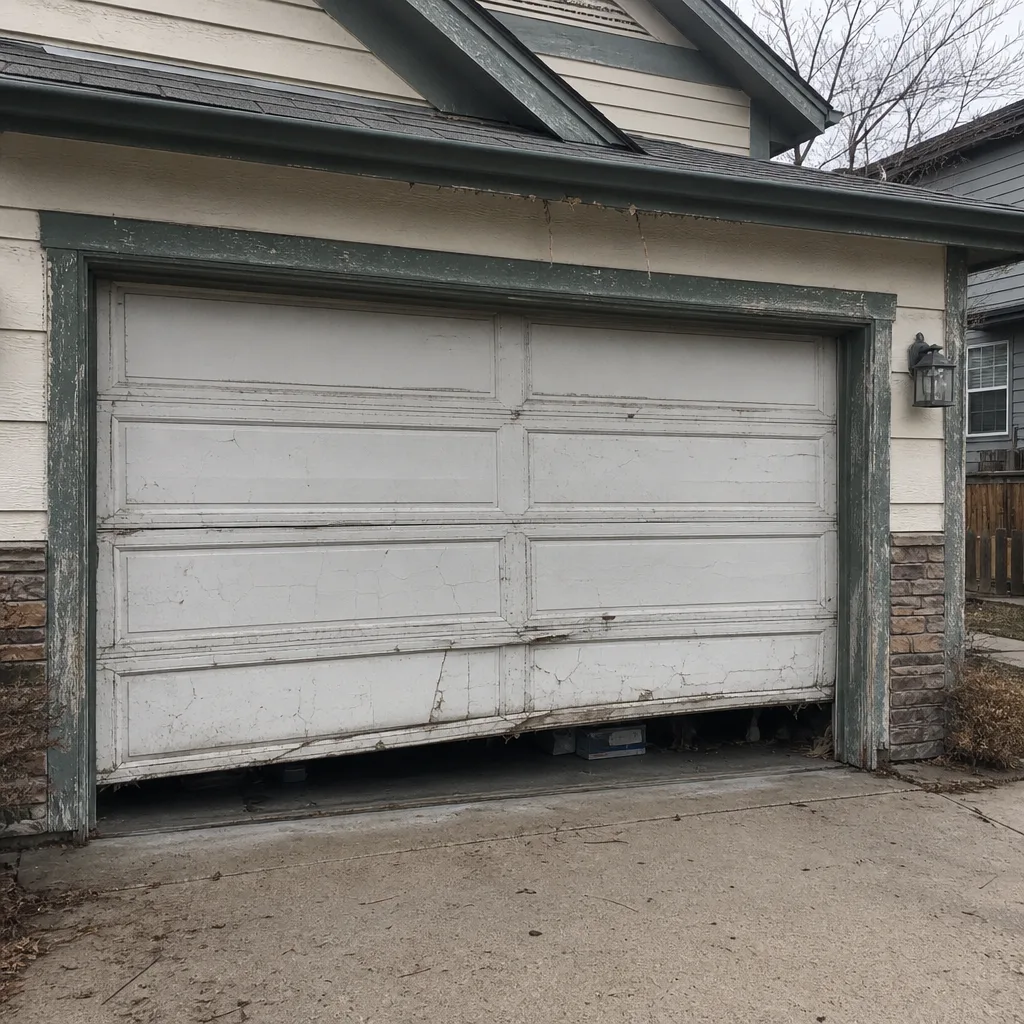 Before
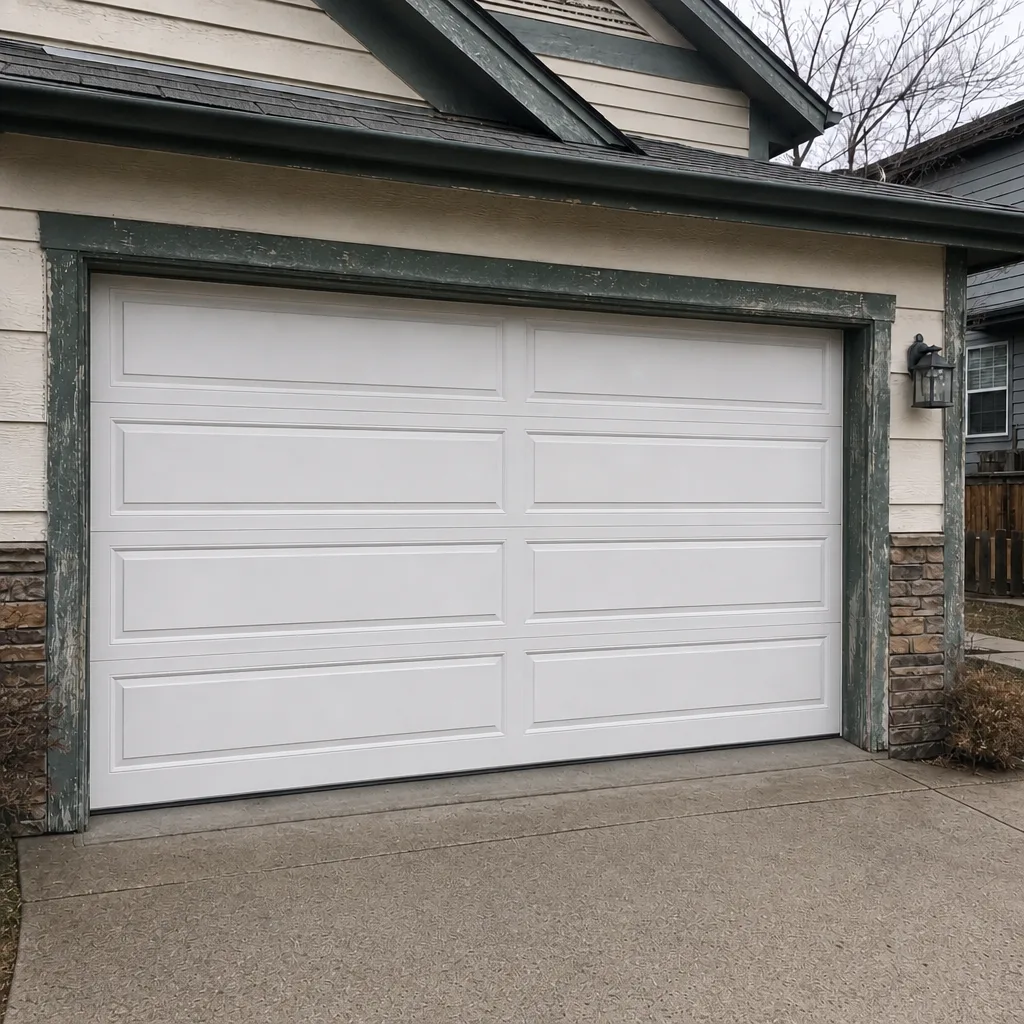 After
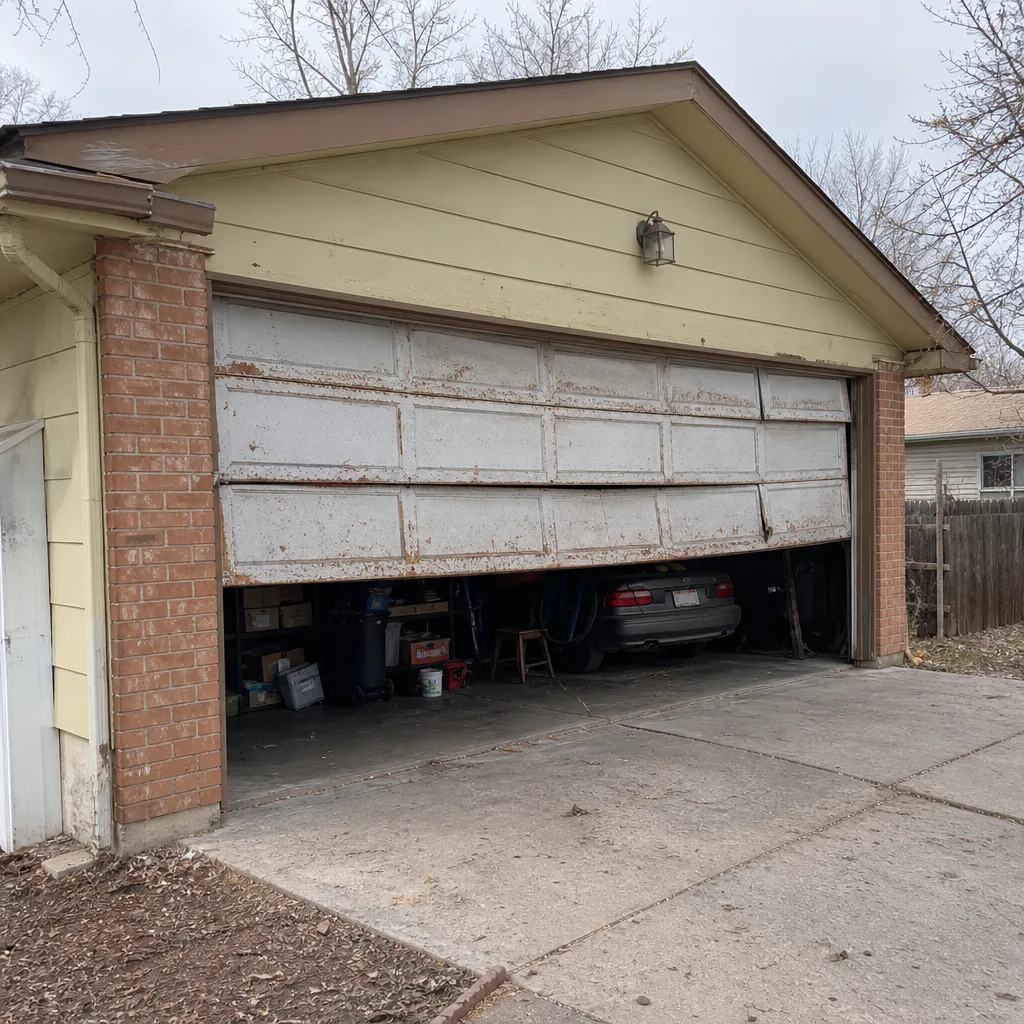 Before
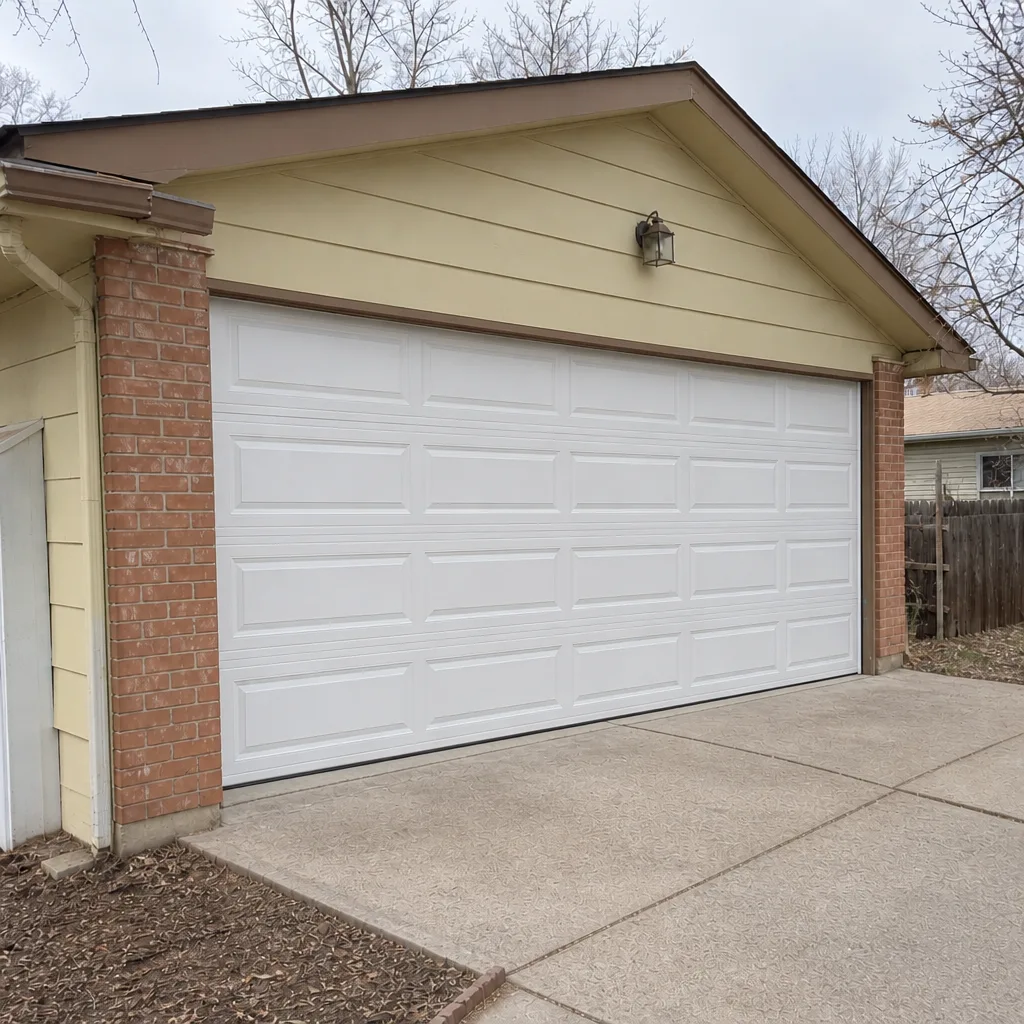 After
When to Call a Professional
Call a professional for any of these: a snapped spring, a door that won’t open or close, a door that hangs unevenly, a bent or damaged track, a broken cable, an opener that runs but doesn’t lift, or an opener that reverses immediately after closing. Call right away if the door is stuck open – it’s a security problem and a weather-exposure problem in one. Call before you try to lift a heavy door manually, before you touch a torsion spring, and before you climb a ladder to eye a track in the dark.
Boulder Garage Door Repair Co offers free estimates in Boulder – call (833) 508-9584. We answer 24/7. Fast dispatch from 7am to 7pm, Sunday through Friday. Our technicians have up to 12 years of experience. The written estimate sets the final price, and the price is agreed before any work starts.
If you’re already sure you need a repair and want to book directly, our garage door repair team handles a single broken cable or a full track realignment. If it’s the opener that’s failing, our garage door opener repair team covers Chamberlain, Genie, LiftMaster, and the other major brands.
Frequently Asked Questions
Colorado doesn’t issue a dedicated statewide garage door contractor license, so licensing alone doesn’t fully answer the question in Boulder. The more important check is insurance that specifically covers garage door work, plus the contractor’s experience with your door’s brand. Ask for proof of insurance and clarify what it covers before booking. Call (833) 508-9584 for a free estimate.
Ask them to name 2-3 brands they work on regularly, and listen for a diagnostic answer rather than a vague one. A specialist names parts over the phone, quotes by line item, and can tell you roughly which components might be involved before arriving. A generalist answers with “we’ll take a look.” If you’re comparing calls and can’t tell, ask what brand of spring they’d probably need for your door; a specialist can usually guess from your description. Call (833) 508-9584 and we’ll talk you through it.
A contractor unfamiliar with your door’s brand may replace parts that only needed adjustment or order the wrong component. Brand knowledge means faster diagnosis, correct parts on the first visit, and fewer callbacks. Specific brands change the parts list; a Genie opener and a Chamberlain opener don’t troubleshoot the same way. Call (833) 508-9584 for a free estimate on your specific door and opener.
The biggest red flag is a company running local ads that can’t name specific brands and doesn’t have a physical service address. That combination usually means a dispatch operation without local parts knowledge. It shows up later as a wrong-fit part and a second visit. Call (833) 508-9584 for a free estimate from a dedicated garage door specialist.
Ask for parts by name and quantity, labor separated, and a fixed total. A “spring assembly” line and a “$300-$600” range are not itemized; a “two torsion springs, matched pair” line and a specific total are. Insist on this before any work begins. Call (833) 508-9584 to get a written estimate for your Boulder garage door.
No. Torsion and extension springs are under enormous tension, and a wrong move can cause serious injury. Spring work needs winding bars and matching the spring to the door’s weight, which is why it belongs with a trained specialist. If you think a spring is the problem, call (833) 508-9584 for a free estimate.
The Bottom Line
The right garage door contractor in Boulder is a specialist, not a generalist. That means they name brands, diagnose parts over the phone, itemize quotes, and confirm insurance that specifically covers garage door work. Run the eight-step screening checklist before you book, and don’t let a five-star review stand in for brand knowledge. A written estimate sets the price. If the quote is vague, or the contractor can’t name 2-3 brands, keep looking. If you’d rather skip the screening and go straight to a specialist, call (833) 508-9584 for a free estimate. We answer 24/7. Fast dispatch from 7am to 7pm, Sunday through Friday.
Written by the team at Boulder Garage Door Repair Co.