
Last updated November 22, 2026
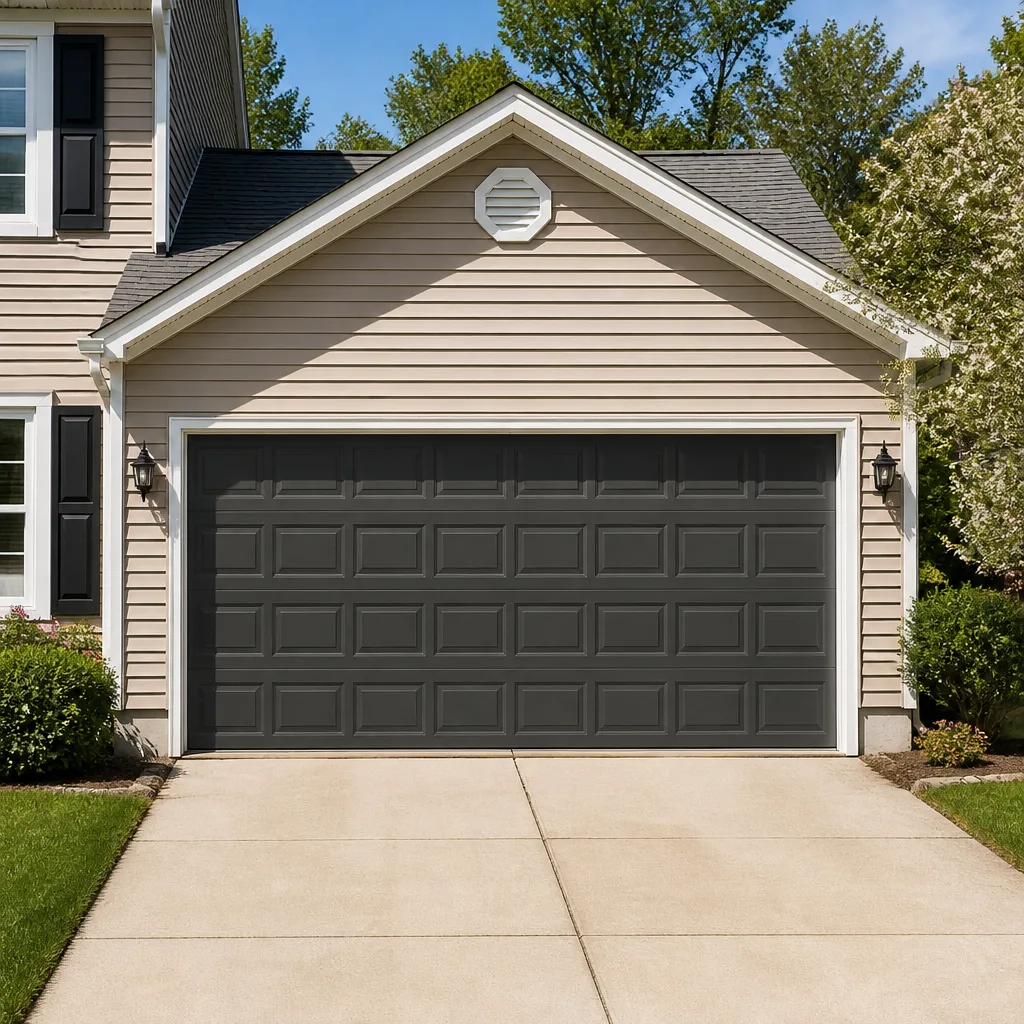 Raised-panel steel
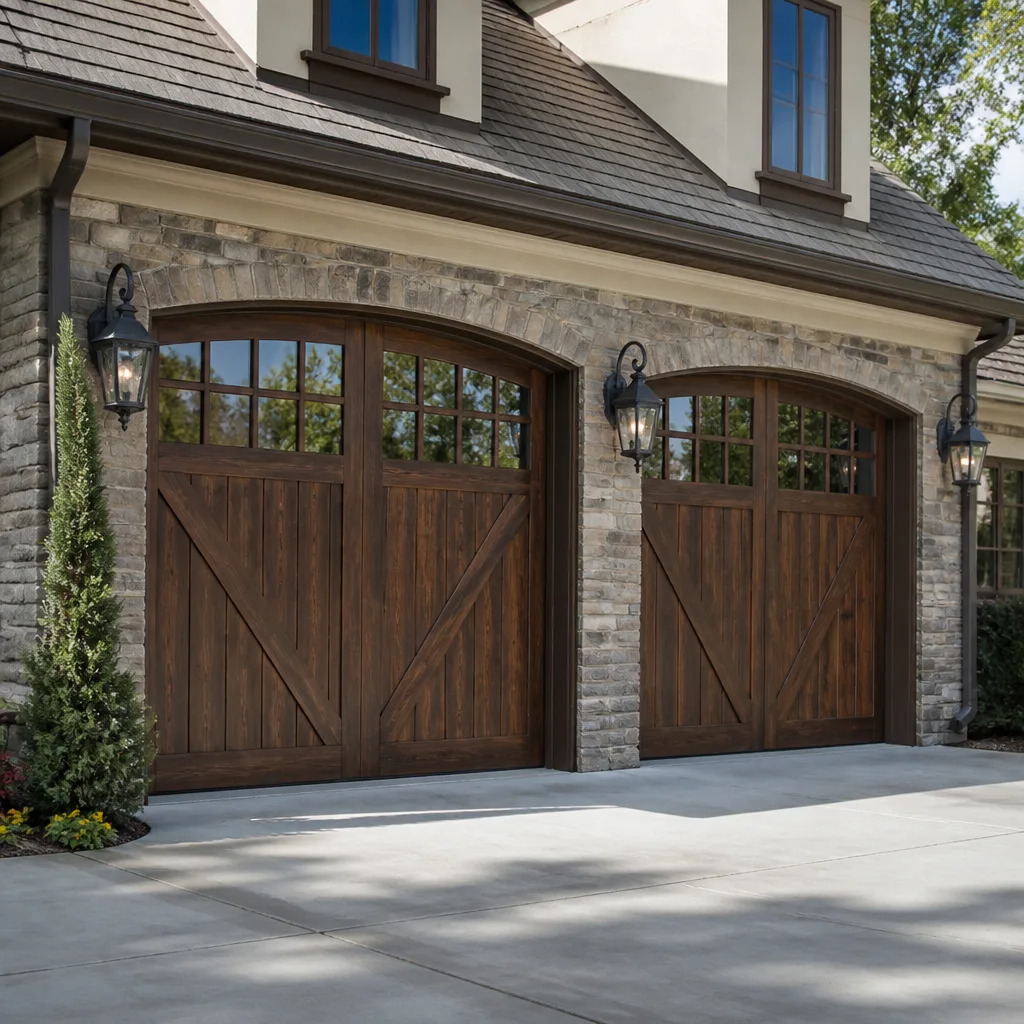 Carriage house
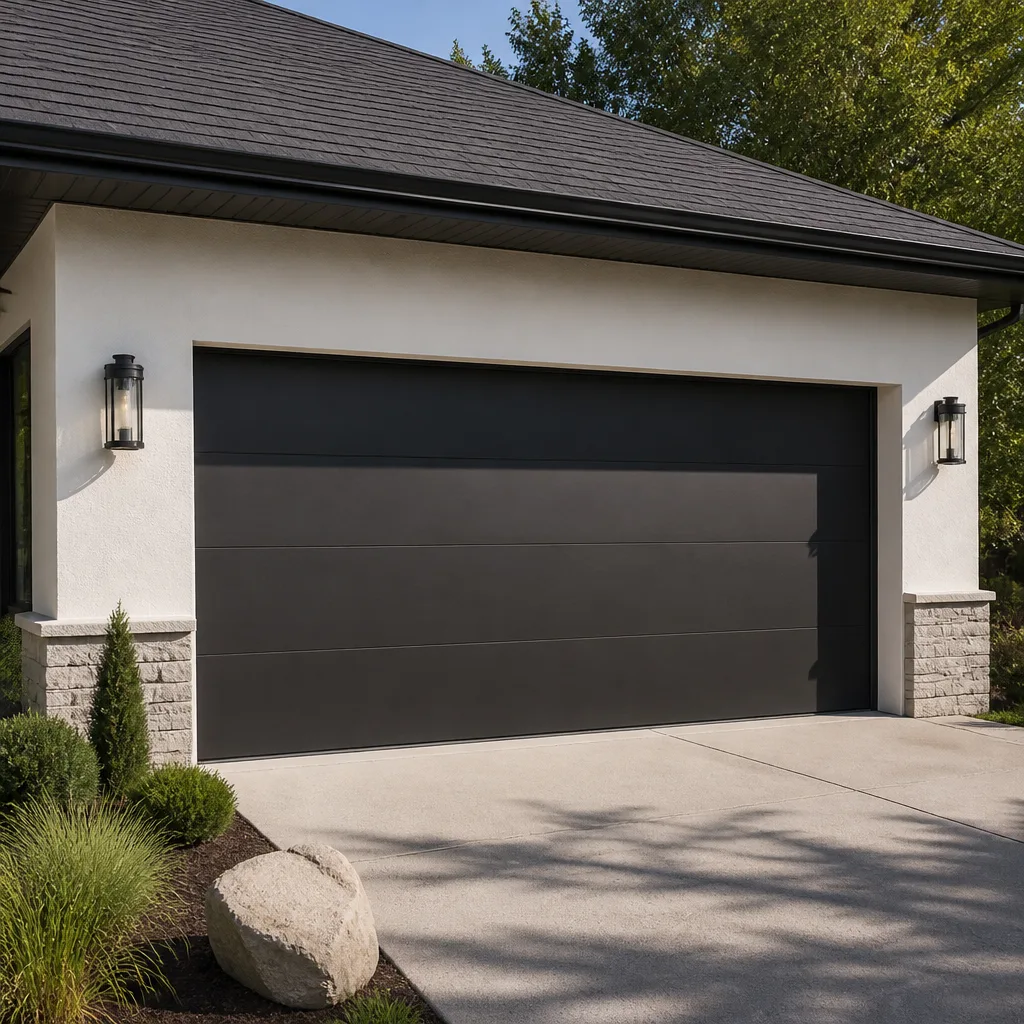 Modern flush
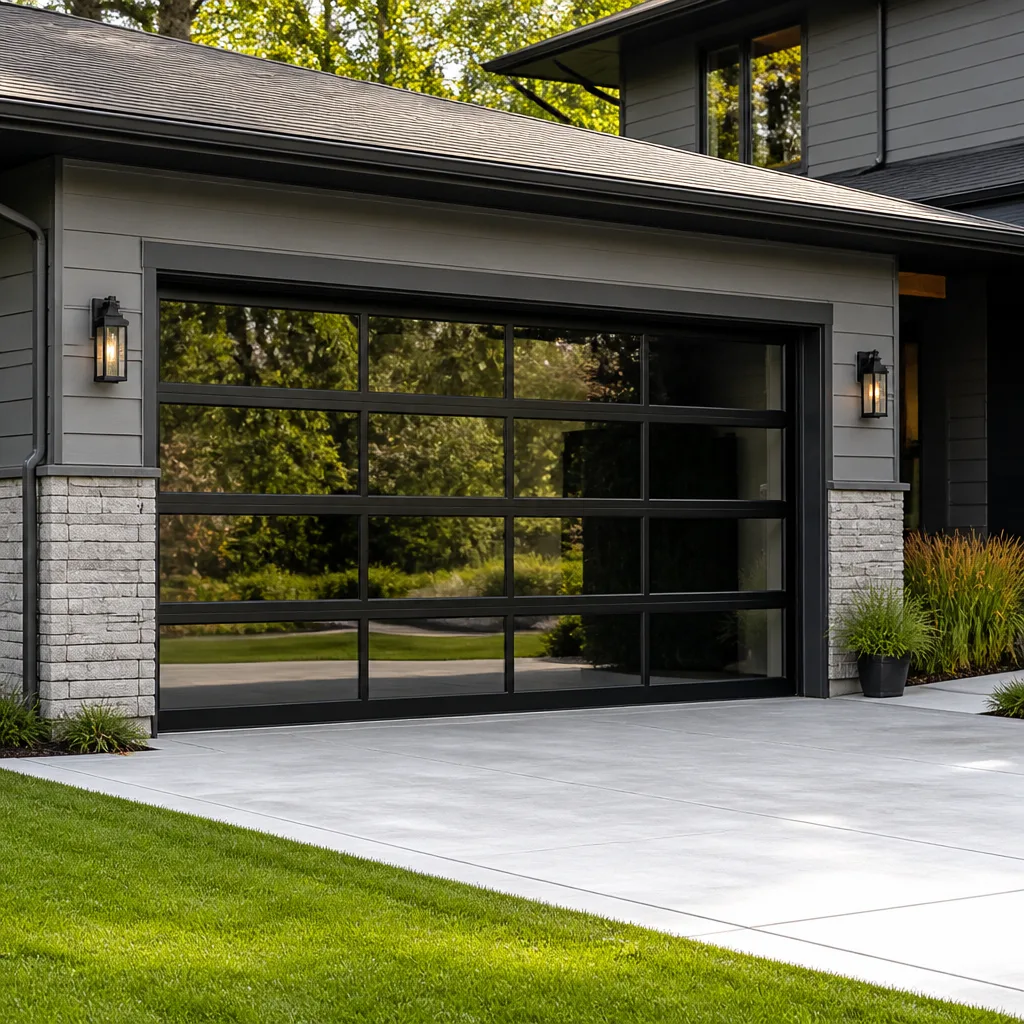 Full-view glass
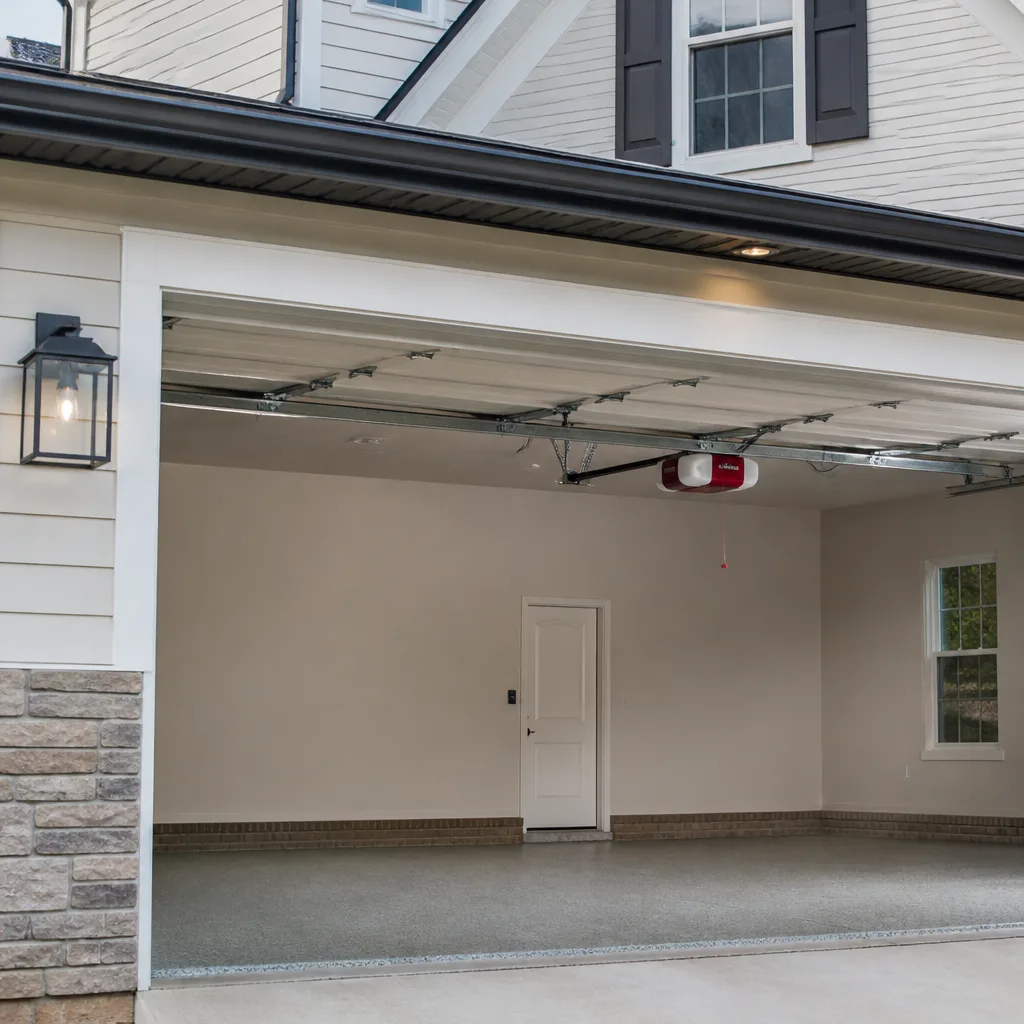 LiftMaster openers
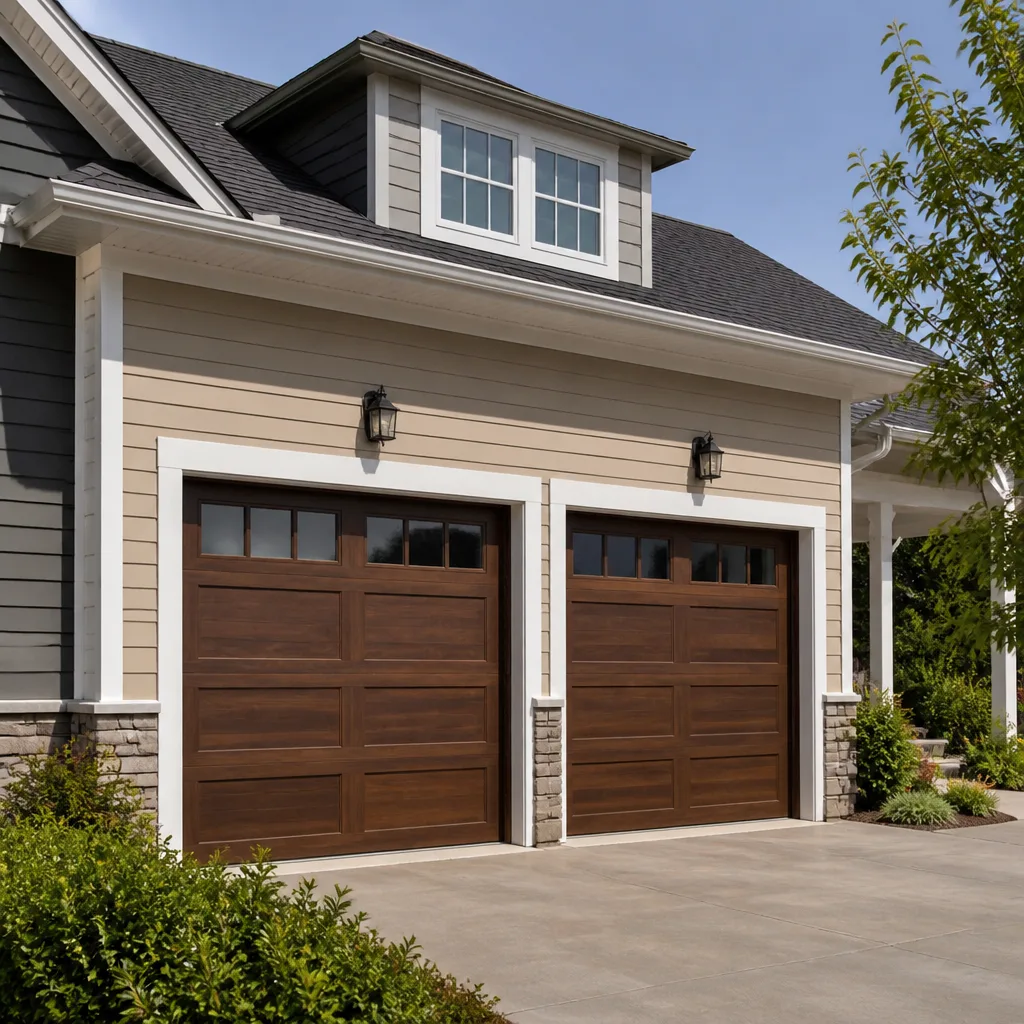 Chamberlain openers
Full 25-point door and opener safety check with every visit - springs, cables, rollers, tracks, and your LiftMaster or Chamberlain opener included
You get a price before we start. It does not change when the pro arrives.
Get your free estimateGarage Door Warning Signs: A Boulder Homeowner’s Reference Guide
A garage door that hesitates for half a second before it moves is not “getting old.” That pause is information. It usually means the spring tension has drifted, the opener is working harder than it should, or a roller is binding in its track. Each of those causes has a different fix and a different price, and the gap between catching one early and catching one late is where the expensive repairs live. Most warning-sign guides stop at “the door is loud” or “the door won’t open.” This reference goes after the quiet signals, organized by component, written for how homes in Boulder actually wear their doors through spring snowmelt and dry winters.
Styles & brands we work with
- Raised-panel steel
- Carriage house
- Modern flush
- Full-view glass
- LiftMaster openers
- Chamberlain openers
Quick Answer
Garage door problems announce themselves early through small changes: a half-second delay before the door moves, a grinding or popping sound that wasn’t there last month, a gap at one bottom corner, or a door that won’t stay put halfway up when you release it. Those signals point to springs, cables, rollers, or opener strain, and most are cheaper to correct before they fail completely. If your door fails the balance test below, stop using it and have it looked at.
Table of Contents
- Why Early Warning Signs Matter More Than Obvious Symptoms
- Sound Diagnostics: Grinding, Popping, and Scraping
- What Uneven Cable Tension Looks Like From the Inside
- Opener Behavior Patterns That Signal Trouble
- The Monthly Balance Test and What the Result Means
- Boulder-Specific Warning Signs: Snowmelt, Freeze Damage, and Panels
- A Component-by-Component Quick Reference
- Common Mistakes to Avoid
Why Early Warning Signs Matter More Than Obvious Symptoms
By the time a garage door stops working, the underlying part has usually been telling you something for weeks. A torsion spring loses tension gradually, so the opener compensates by drawing more current to lift the same door. A cable frays one strand at a time. A roller flattens on one side and drags. None of that is dramatic, and that’s exactly why it gets ignored until the door comes down and doesn’t go back up.
The cost difference between an early adjustment and a full failure is real. Correcting a door that’s out of tension is a different job from replacing springs that snapped or a cable that let go with the door halfway up. Catching the quiet stage keeps the repair small and keeps your door usable.
Boulder homes put their garage doors through a particular cycle. Spring snowmelt pushes moisture against the bottom seal and the panel edges. Dry winters shrink the wood framing around the opening. Doors on a south-facing drive take more sun loading than shaded ones, and that affects the seal more than it affects the opener. If you know your brand and pay attention to how it behaves month to month, you’ll catch the warning signs before they turn into a call. We work on the major residential systems every week, and the brands that hold up longest are the ones getting attention early, whether that’s a LiftMaster opener, a Wayne Dalton door, or a Craftsman motor that’s been on the ceiling for years. If something in this guide already sounds familiar, our Boulder Garage Door Repair Co team is here to help you sort out what’s actually going on.
Sound Diagnostics: Grinding, Popping, and Scraping
Noise is the most underrated diagnostic tool a homeowner has. The type of noise, and where it comes from, narrows the problem fast. Listen with the door closed, then open it once and listen again.
Grinding
- Metal-on-metal grinding at the overhead unit: usually a worn gear or a slipping chain or belt in the opener, or a shaft bearing running dry.
- Grinding along the tracks: a roller that’s seized is grinding rather than rolling, and it flattens the hinge it’s mounted to over time.
Popping or Snapping
- A sharp pop as the door starts to lift: a torsion spring slipping on its shaft or a cable jumping its drum. Both are spring-and-cable territory, and both are handled by a trained technician only.
- Repeated clicking near the opener: often a relay or logic board issue rather than a mechanical failure. A Raynor door on a LiftMaster opener, for example, behaves differently from a Wayne Dalton setup, and the right diagnosis depends on knowing both.
Scraping
- Scraping at the bottom corners: the door is binding against the frame, usually because the bottom bracket has shifted or the weatherstripping has swollen.
- A rhythmic scrape as the door goes up: a bent track panel or a hinge pulling loose.
If the noise is a pop, crack, or snap from the spring area, stop operating the door. High-tension springs and cables carry enough stored force to cause serious injury if they let go while you’re near them. That’s a professional’s job, not a homeowner check.
What Uneven Cable Tension Looks Like From the Inside
Cables are the part of a garage door system most people never look at. You can see a lot from inside the garage with a flashlight, and it’s worth doing before the door gives you a more forceful hint.
Walk into the garage, close the door, and look at the cables running along each side. With the door down, the cables should look evenly tensioned on both sides. If one side is slack while the other is tight, or one cable looks like it’s sitting awkwardly on its drum, that’s a sign the tension has drifted. Look at the cable ends and the bottom bracket: frayed strands or a cable that’s pulled away from a fitting are a red flag.
Look at the door itself from directly below while it’s closed. A door that’s slightly higher on one side than the other, or a gap that’s wider at one corner, can mean the cables are loaded unevenly. This is often the first hint of trouble before the door visibly sags or drags. Cables are under the same stored spring tension as the springs themselves, so this is a read-don’t-touch situation.
If the tension looks uneven, that’s a call. Our garage door spring repair team handles the springs and cables together, since they’re a matched system. Both are part of the same safety picture, and both need the door de-tensioned before anyone works on them.
Opener Behavior Patterns That Signal Trouble
An opener that’s failing doesn’t usually quit all at once. It gives you patterns. Knowing the patterns saves you from replacing a motor that wasn’t the problem.
- The delay. The door takes a beat longer than it used to before moving after you press the button. That often means the motor is doing more work than it should, typically drawn by a door that’s out of balance or binding.
- The reversal. The door starts down and goes back up with nothing in the way. That’s usually the safety sensor or a limit switch that has drifted. Cleaning the sensor lenses is the first thing to try.
- The short stop. The door moves partway and stops in the same place every time. Limit switch drift or a binding door can cause this, and the pattern will tell a technician which.
- The weak start. The light comes on but the motor groans before the door moves. That’s motor strain, and it’s a sign the opener is working against a door that needs attention, whether or not the opener itself needs repair.
- The no-warning failure. If the door is silent and the remotes don’t respond, check the breaker and any visible control panel before assuming the opener is gone.
Opener brands matter here. Chamberlain, LiftMaster, and Genie units each have their own limit switch and logic board behavior, and knowing how a given model fails shortens the diagnosis. If your opener is doing any of the above, our garage door opener repair team can tell you whether it’s the motor or the door it’s pulling.
The Monthly Balance Test and What the Result Means
This is the single most useful check a Boulder homeowner can do. It takes a minute and tells you whether your springs are doing their job. Do it with the door in the closed position and the opener disconnected.
- Pull the manual release cord on the opener rail to disconnect the door. The door should be closed, not up.
- Lift the door by hand to about waist height, then let go.
- Watch what it does. It should stay roughly where you left it, maybe drifting a few inches.
A door that stays put is working correctly. The springs are carrying the weight and the door is safe to operate with the opener.
A door that drops or wants to fall is out of balance. That means the springs have lost tension or are failing. An unbalanced door puts real strain on the opener, and that load is where the repair bill goes up. Stop using the opener and have the door evaluated.
A door that springs up on its own means the springs are carrying too much load, which is its own problem. Either way, re-engage the opener and call a technician before operating the door again.
Reconnect the opener by moving the door to the closed position and re-latching the release. If the balance test tells you the springs are done, don’t run the opener hoping to get a few more cycles out of it. That’s a garage door repair job, and it’s one worth doing before something lets go.
Boulder-Specific Warning Signs: Snowmelt, Freeze Damage, and Panels
Boulder’s seasonal swings leave their own marks on garage doors, and they’re worth knowing because they look different from the wear you’d see in a milder climate.
Spring snowmelt sends water running under and around the garage door. The biggest tell is a bottom seal that has stiffened, cracked, or come loose from its retainer. A stiff seal doesn’t just let water in. It also stops the door from closing flush, and that puts strain on the opener and the panel seams. Check the seal at each end of the door after the melt. If it’s torn or has set into a hard ridge, it needs replacing.
Look at the corners of each panel from inside the garage. A panel corner that’s lifting or separating is often a sign moisture has gotten into the panel and the core. Wood composite and insulated steel panels both react to freeze-thaw cycles, and the corner is where the first sign shows. Sealed door edges and a bottom seal in good shape are the two things that keep moisture where it belongs.
The framing around the opening also moves with the seasons. If you notice light or a draft at one side of the closed door and not the other, the door isn’t sitting true in the opening. That’s worth a look before the door has to be forced closed to keep the house secure. If you’re in Boulder and the door is starting to look or sound off with the seasons, our garage door repair team can take a look.
A Component-by-Component Quick Reference
Here’s the short version of what each part tends to do when it’s on the way out, and what kind of attention it needs. Use this to describe the problem when you call.
- Springs: door feels heavy, opener struggles, spring appears stretched or the door hangs unevenly. Springs are high-tension and handled by a trained technician only.
- Cables: frayed strands, slack on one side, door sags on one edge. Also handled by a pro.
- Rollers: grinding or scraping along the track, roller flattened on one side. Replaceable and one of the cheaper fixes when caught early.
- Hinges: loosening or squeaking, panel edges pulling apart. Often tightened or replaced during a routine visit.
- Tracks: dents, bends, or a door that jumps the track. Needs straightening or replacing, and a door off its track should not be operated.
- Weatherstripping and bottom seal: cracks, stiffness, drafts, water intrusion. This is the Boulder item to check every spring.
- Opener: delays, reversals, short stops, weak starts, or silence. Diagnose brand by brand.
- Panels: corner lifting, separating edges, dents. Replacement depends on the door model and brand.
If you’re seeing more than one of these at once, describe all of them. They often point back to the same cause, and a single visit can usually cover the whole list. If the door is beyond repair, our garage door repair crew can walk you through what a replacement involves. That’s a scheduled job with a free measure and a written price, not a same-day fix.
Common Mistakes to Avoid
- Ignoring the balance test because the door “still opens.” An unbalanced door is easy to work around until it isn’t, and that’s when the repair gets bigger. Run the test monthly.
- Trying to fix a spring or cable yourself. High-tension springs and cables can cause serious injury if they release under load. This is the one part of a garage door system where a homeowner shouldn’t experiment.
- Spraying lubricant on everything. A little lubrication on rollers and hinges is fine, but lubricant on a slipping belt, a worn gear, or a track problem can mask the real cause and make it harder to diagnose.
- Assuming a quiet opener means a healthy opener. A door that’s out of balance makes a quiet opener work harder, and that eventually shows up as a burned-out motor.
- Replacing the opener when the door is the problem. If the door won’t stay put in the balance test, a new opener will fail too. Fix the door first.
- Ignoring the bottom seal after Boulder’s spring snowmelt. A stiff, torn seal lets water in and stops the door from closing flush. It’s cheap to replace and expensive to ignore.
- Skipping the brand note when you call. Whether you have a Craftsman, a Raynor, or a LiftMaster, knowing the make and model helps the technician arrive with the right parts and diagnosis. We work on the major brands every week, and a model name shortens the conversation.
When to Call a Professional
Call a professional if the door fails the balance test, if you see frayed cables or uneven tension, if you hear a pop or snap from the spring area, or if the door is off its track. Those are situations where operating the door could make the problem worse or put someone at risk. Call sooner if the door won’t close at night and the garage is open to the house, or if a spring has visibly snapped.
We offer free estimates in Boulder. Call (833) 508-9584. We answer 24/7, fast dispatch from 7am to 7pm, Sunday through Friday, and we’re closed on Saturday. Every estimate is written and agreed before any work starts. Our technicians have up to 12 years of experience, and every one of them is a garage door specialist, not a generalist who handles doors on the side.
Frequently Asked Questions
The earliest signs are behavioral: a short delay before the door moves, a grinding or popping sound that wasn’t there before, uneven tension in the cables visible from inside the garage, and a door that won’t stay put in the balance test. Catching them early is the difference between a small adjustment and a bigger repair. Call (833) 508-9584 for an estimate if any of these sound familiar.
A door that feels heavy when you lift it by hand, an opener that strains to lift the door, or a door that fails the balance test are the most common signs the springs are losing tension. A spring that’s visibly stretched or snapped needs professional attention. High-tension springs are dangerous to work on, so don’t attempt it yourself. Call us for an estimate.
Grinding is usually a seized roller dragging in the track or a worn gear or bearing in the opener. Where the sound comes from tells you which. A professional can tell the difference in a single visit, and an ignored grinding roller often costs more to fix once it damages the track. Call (833) 508-9584 with the make and model if you can.
A hesitation usually means the opener is working harder than it should, and that’s typically a door that’s out of balance, a binding roller, or a spring that’s lost tension. The opener is compensating, and that load shortens its life. Have both the door and the opener evaluated together.
Boulder’s spring snowmelt and freeze-thaw cycles put more stress on the bottom seal, the panel corners, and the framing around the opening. The bottom seal and panel edges are worth checking every spring, and a seal that’s stiff or torn should be replaced. The opener and spring attention is the same as anywhere, but the moisture load is specific to the climate.
Repair is usually the right call if the door is structurally sound and the problem is a spring, cable, roller, or opener. Replacement makes sense when the panels are badly damaged, the door is out of true, or the repair cost is out of proportion to the door’s condition. Either way, we start with a free measure and a written estimate so you know the price before anything is ordered or scheduled.
The Bottom Line
Garage door problems give you warning signs before they become emergencies. The half-second delay, the grinding roller, the gap at one corner, the seal that stiffens after snowmelt, and the balance test that tells you the springs are done are all information. Read them early, keep your hands off the springs and cables, and fix the small stuff before it grows.
If your door is telling you something, we can help you figure out what. Call (833) 508-9584 for a free estimate. We answer 24/7, fast dispatch from 7am to 7pm, Sunday through Friday, and the price is always quoted and agreed before any work starts.
Written by the team at Boulder Garage Door Repair Co.
See the difference
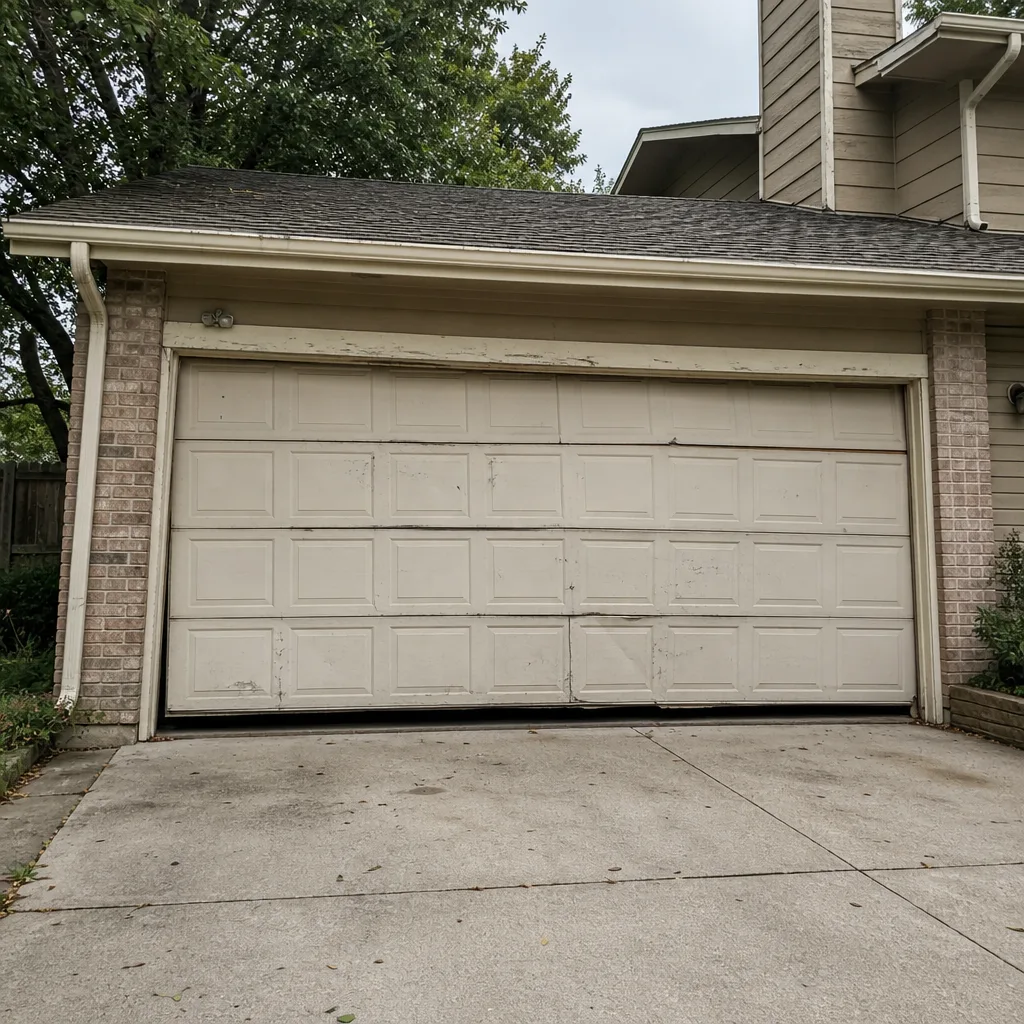 Before
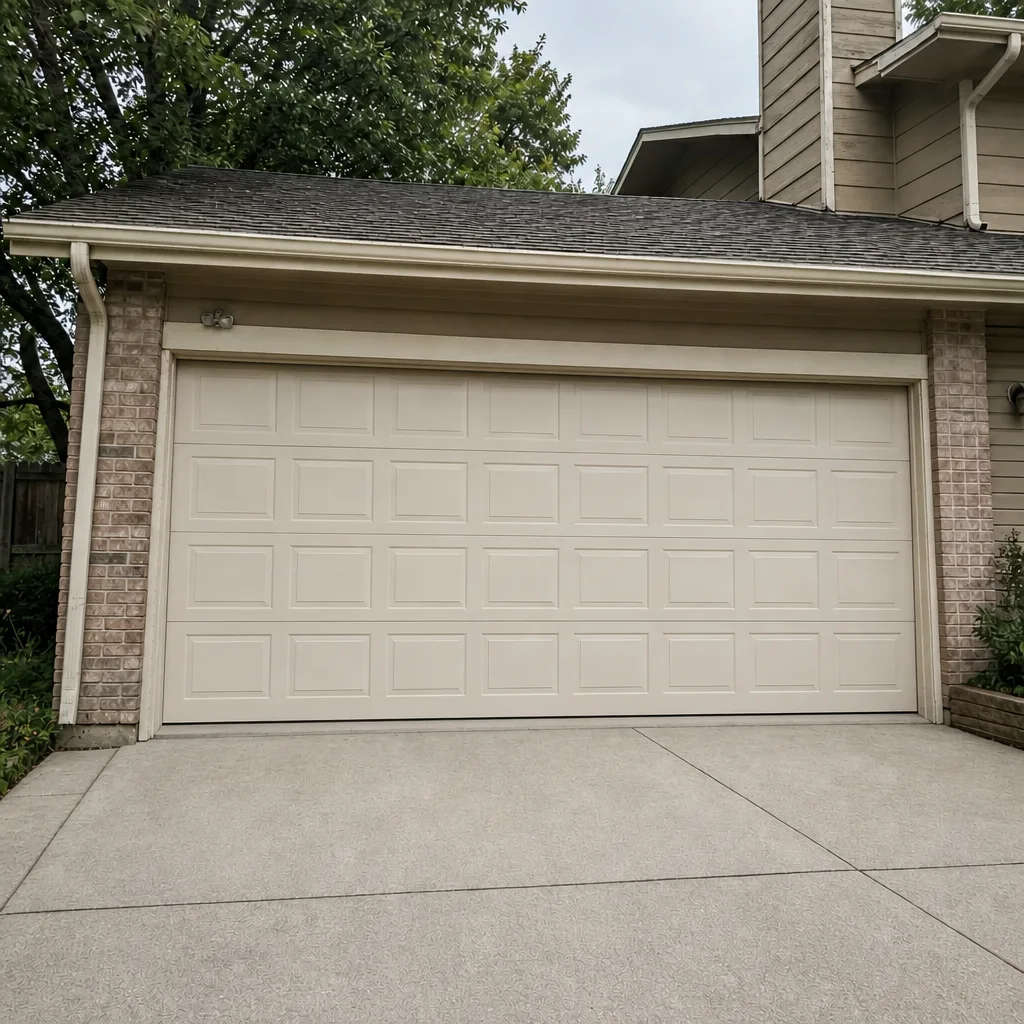 After
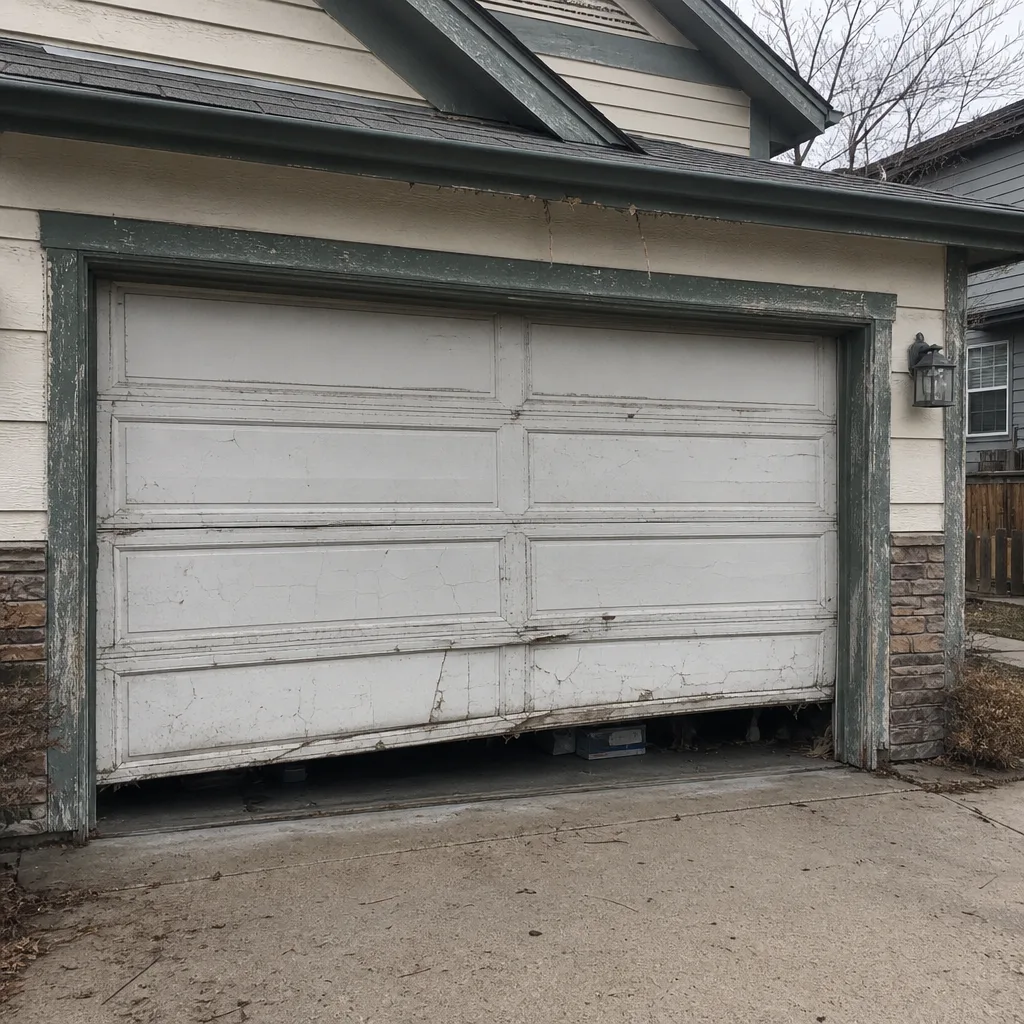 Before
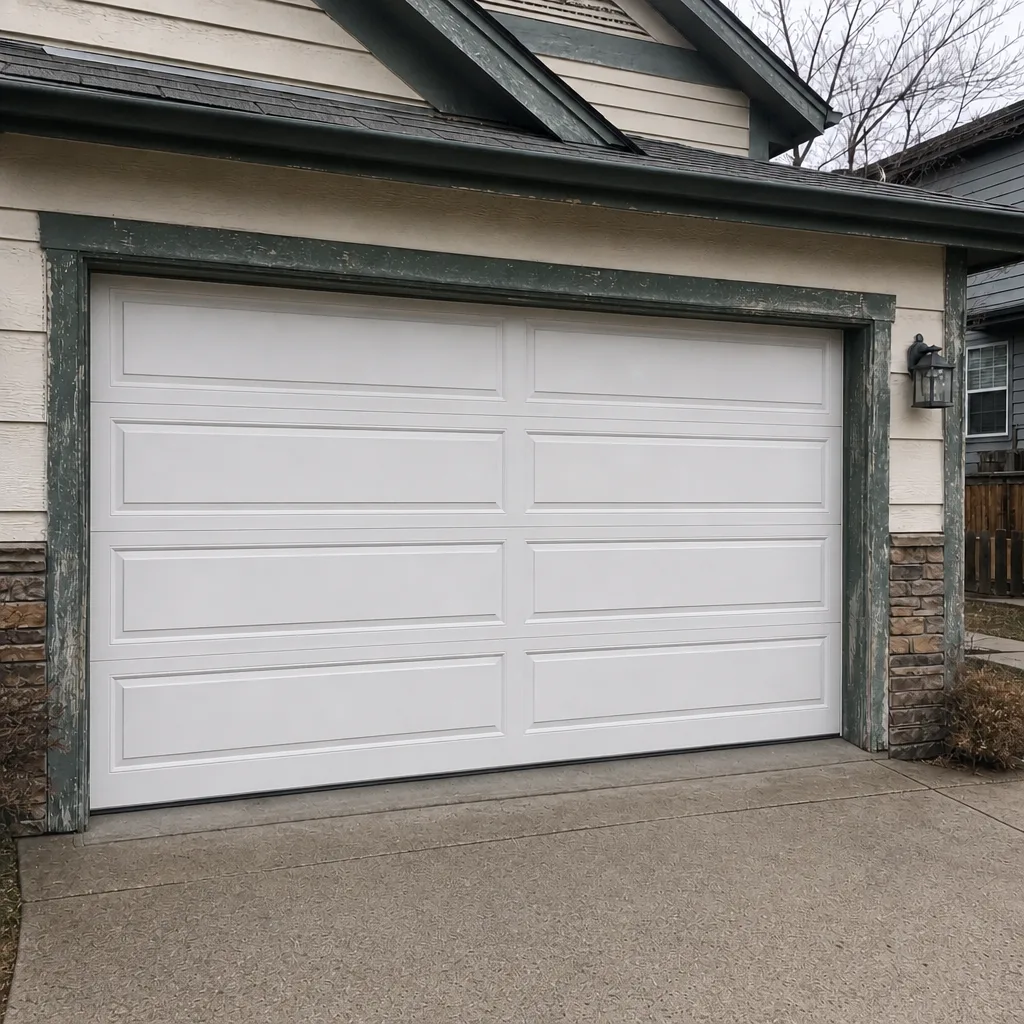 After
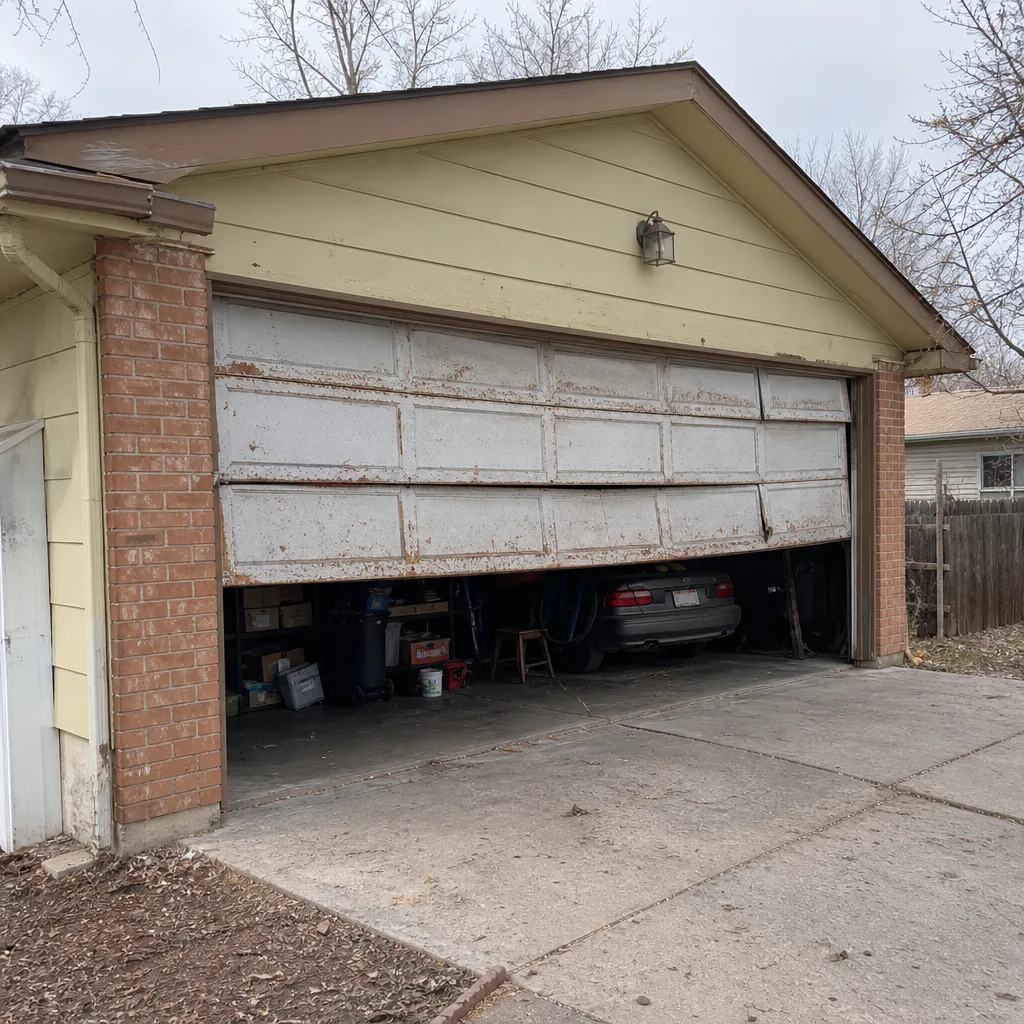 Before
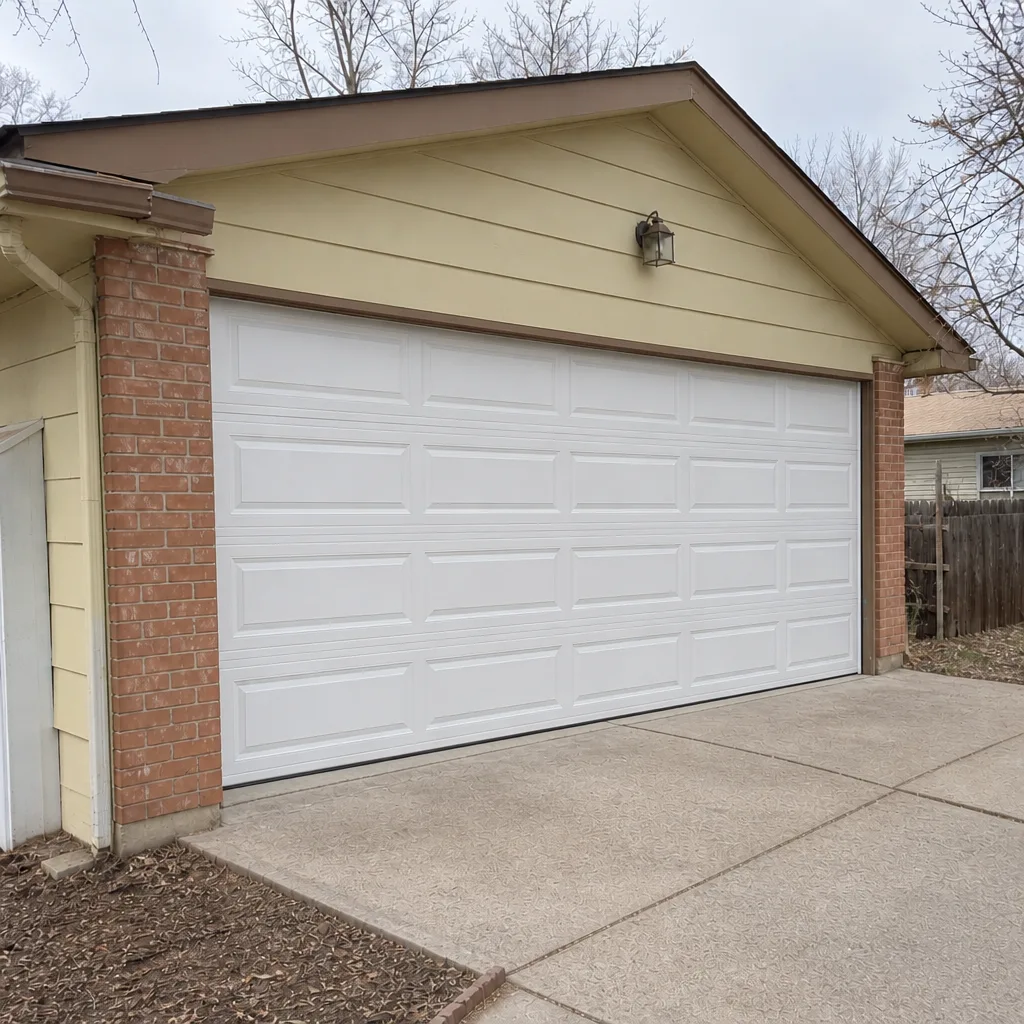 After